DISCLAIMER: Hebei Haihao Group does not claim participation in this project. This case study is based solely on public information and is provided for industry reference.
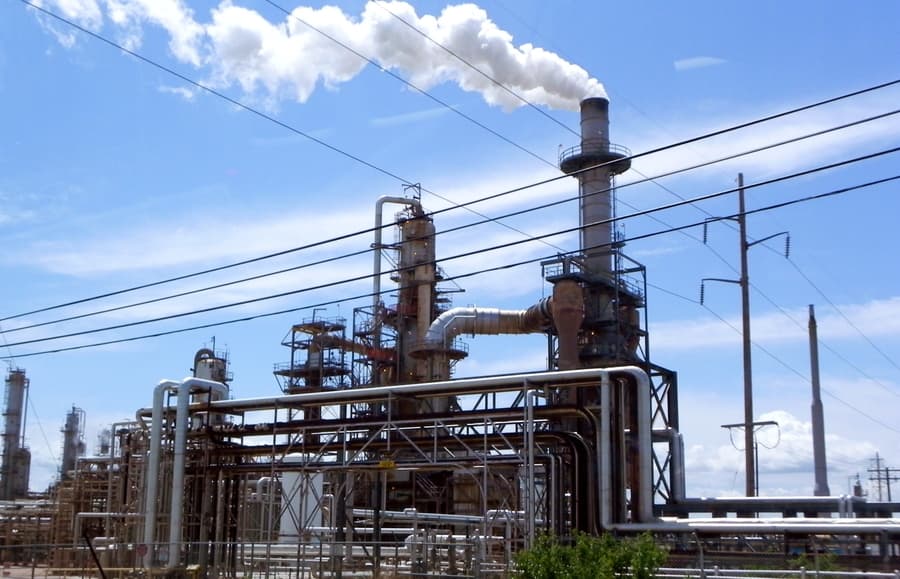
The Amiral petrochemical complex, integrated with the SATORP refinery in Jubail, Saudi Arabia, represents a significant investment in the global petrochemical landscape. Announced with a final investment decision in December 2022, the project is a joint venture between Saudi Aramco (62.5%) and TotalEnergies (37.5%). With an estimated investment of $11 billion, Amiral is designed to convert refinery off-gases, naphtha, ethane, and light naphtha into high-value petrochemical products. The centerpiece is a mixed-feed cracker with an annual ethylene production capacity of 1.65 million tons, alongside two polyethylene lines each capable of producing 500,000 tons per year. The complex will also include units for extracting butadiene and aromatics, and it will supply a downstream specialty chemicals park.
For EPC engineers, procurement managers, and inspectors, Amiral offers a valuable case study in large-scale project planning and execution. While the project is still under construction (startup planned for 2027), its scope highlights the critical role of piping systems in such mega-projects. This article provides a procurement-focused analysis, drawing solely from public information to help buyers understand the types of piping components likely required and the considerations for sourcing them effectively.
Project Overview and Piping Implications
The Amiral complex involves extensive piping networks for process lines, utility systems, and interconnecting infrastructure. The steam cracker, polyethylene units, and auxiliary facilities require a vast array of piping components, including:
- Seamless and welded pipe for high-temperature and high-pressure services.
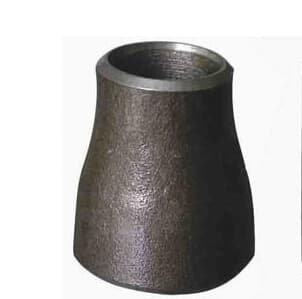
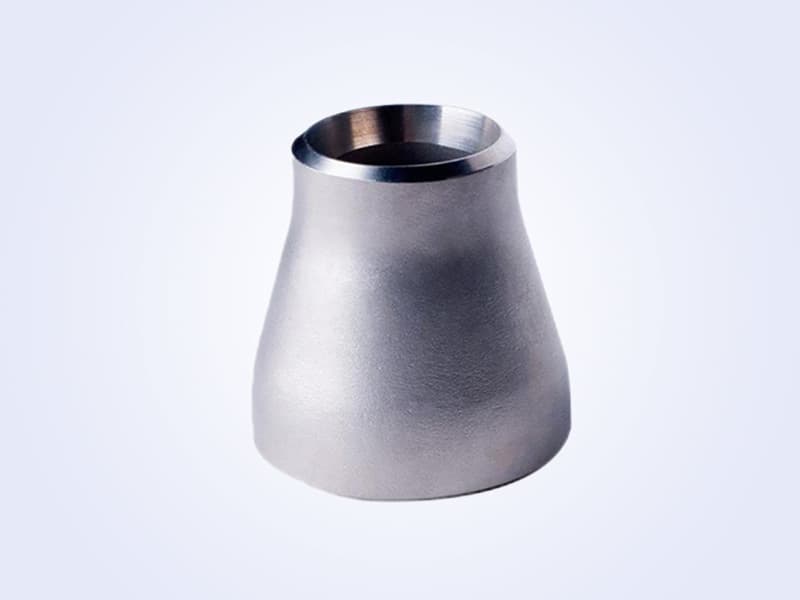
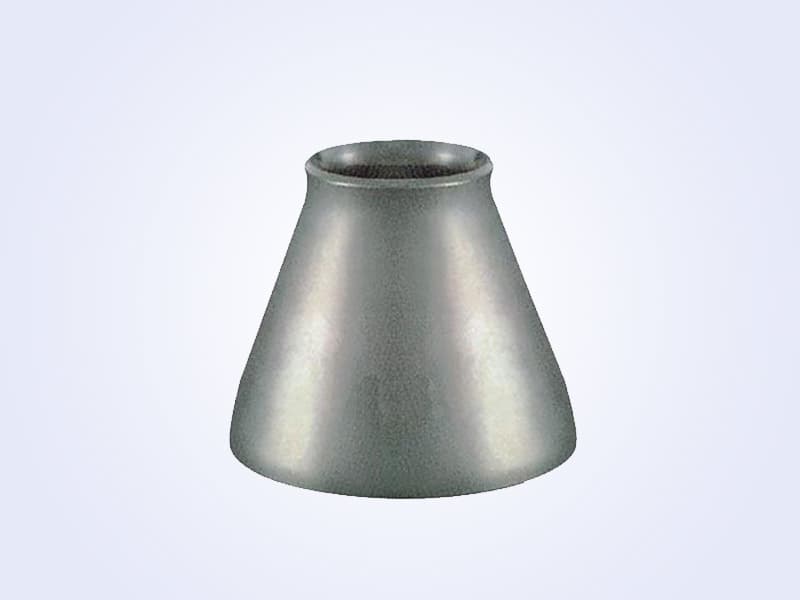
- Butt-welding fittings (elbows, tees, reducers, caps) in carbon steel, stainless steel, and alloy steels.
- Flanges and bolted connections for maintenance access and equipment tie-ins.
- Specialty fittings for corrosive or cryogenic services, depending on process conditions.
Given the scale, procurement must address material specifications, standards compliance, and quality assurance. Buyers should anticipate the need for materials conforming to ASME, ASTM, and API standards, with full traceability and documentation.
Procurement Checks for Mega-Projects
When sourcing piping components for projects like Amiral, consider the following checks:
- Material Specifications: Verify that materials meet project-specific requirements, such as NACE MR0175 for sour service, or low-temperature toughness per ASTM A420. For high-temperature services, ensure appropriate creep strength and oxidation resistance.
- Standards Compliance: Confirm that fittings and flanges comply with ASME B16.9, B16.5, or other applicable standards. For large-diameter or high-pressure applications, MSS SP-75 or ASME B16.48 may be relevant.
- Quality Assurance: Require mill test certificates (MTCs) per EN 10204 3.1 or 3.2, and specify third-party inspection if needed. Ensure that NDT (RT, UT, PT, MT) is performed as per project specifications.
- Traceability: For critical services, full traceability from melt to final product is essential. This includes heat numbers, chemical analysis, and mechanical properties.
- Lead Times: Large-scale projects require careful scheduling. Confirm manufacturing lead times and plan for potential delays, especially for specialty alloys or large-diameter fittings.
RFQ Inputs for Piping Components
When preparing RFQs for piping components, include the following details to ensure accurate quotations:
- Size and Schedule: Nominal pipe size, wall thickness (schedule), and end preparation (bevel, plain, etc.).
- Material Grade: Specify ASTM/ASME grade, such as A234 WPB for carbon steel, A403 WP304/316 for stainless, or A420 WPL6 for low-temperature.
- Quantity: Provide exact quantities or a bill of materials to enable pricing.
- Standards: Reference the applicable standard (e.g., ASME B16.9, B16.5, MSS SP-25 for marking).
- Testing Requirements: Specify NDT methods, hydrostatic testing, or PMI if required.
- Documentation: Request MTCs, inspection reports, and certificates of conformance.
Inspection and Documentation Points
For quality assurance, focus on these inspection points:
- Dimensional Inspection: Verify critical dimensions such as diameter, wall thickness, and end-to-end dimensions against standards.
- Visual Inspection: Check for surface defects, cracks, or other imperfections.
- Material Verification: Perform PMI on stainless and alloy materials to confirm grade.
- Documentation Review: Ensure MTCs are complete and accurate, including heat numbers and test results.
- Marking: Confirm that each fitting is marked per MSS SP-25 with size, schedule, material, and heat code.
Common Risks and Mitigation
- Material Substitution: Risk of receiving non-conforming materials. Mitigate by requiring PMI and third-party inspection.
- Delayed Deliveries: Mitigate by ordering early and maintaining buffer stock for critical items.
- Quality Non-Conformances: Mitigate by conducting pre-shipment inspections and requiring quality plans.
- Documentation Gaps: Mitigate by specifying document requirements in the PO and reviewing them before shipment.
Leveraging Manufacturer Capabilities
For projects like Amiral, working with a manufacturer that offers a comprehensive range of piping products can simplify procurement. Hebei Haihao Group provides prefabricated piping and installation services, which can be beneficial for modularization and on-site assembly. Additionally, their seamless butt-welding pipe fittings are manufactured to international standards, ensuring quality and consistency.
Conclusion
The Amiral petrochemical complex serves as a benchmark for large-scale petrochemical projects. For procurement professionals, understanding the project's scope and requirements can inform sourcing strategies for similar ventures. By focusing on material specifications, standards compliance, and rigorous inspection, buyers can mitigate risks and ensure successful project execution.
Sources
Need a quote for the products mentioned in this article?
Submit your specs and our pressure piping team will respond within one business day.
Send RFQRelated reading
Case studiesKuwait Al-Zour LNG Import Terminal Procurement Reference
KIPIC's Al-Zour LNG terminal in Kuwait reaches 22 mtpa with eight 225,000 cbm tanks. Reference for Middle East LNG import infrastructure sourcing.
Case studies