Buyer guideMetallic vs Nonmetallic Flange Gaskets: ASME RFQ Guide
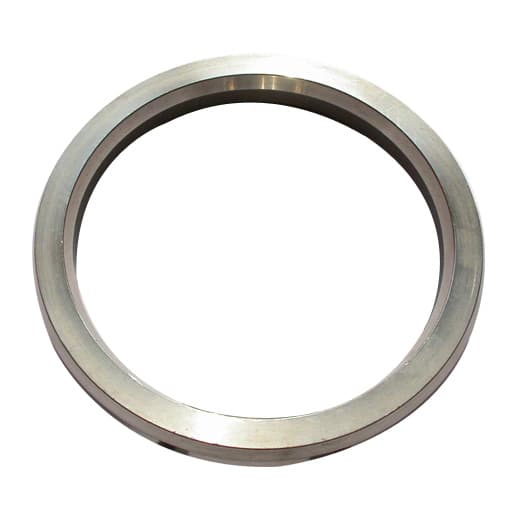
Compare ASME B16.20 metallic and B16.21 nonmetallic flat gaskets, and clarify what each standard actually covers before you issue an RFQ.
Insights
Technical articles, standards comparisons, project case studies and buyer guides on pressure piping components, flanges and forged fittings.
Found us via Google? Get an ASTM/ASME pipe-fittings quote in 4 hours.
Send RFQ263 articles
Buyer guideCompare ASME B16.20 metallic and B16.21 nonmetallic flat gaskets, and clarify what each standard actually covers before you issue an RFQ.
StandardsASME B16.11 defines Class 2000, 3000, 6000 for threaded fittings and Class 3000, 6000, 9000 for socket-weld fittings. This guide explains what these classes mean, how to specify them, and what to verify when procuring forged fittings.
TechnicalUnderstand the difference between ASME B16.52 for nonferrous forged fittings and ASTM B283/B283M for copper alloy die forgings, plus RFQ and inspection guidance.
Case studiesExplore the Amiral petrochemical complex project in Saudi Arabia as a reference for piping procurement. Learn about the project scope, key considerations for EPC buyers, and how to apply these insights to your own sourcing strategies.
Industry newsADNOC's Ruwais LNG project, a 9.6 mtpa clean-power facility, has awarded critical equipment contracts worth over $400 million, including 75 MW electric motor-driven compressors. For EPC buyers, this signals a shift toward electrified liquefaction and new procurement considerations.
Buyer guideUse this RFQ checklist to specify ASME B16.10 valve face-to-face dimensions correctly and avoid installation mismatches in your piping system.
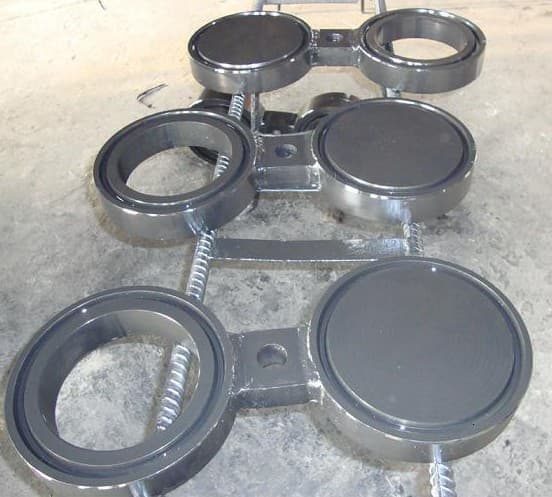
StandardsASME B16.48 covers line blanks from NPS 1/2 to NPS 24 for ASME B16.5 flanges in pressure classes 150–2500. Learn what the standard includes, what it doesn't, and how to specify and inspect these components.
TechnicalConfirm socket-weld fitting dimensions per ASME B16.11 and material to ASTM A105. Learn what to specify, inspect, and include in the RFQ.
TechnicalPT and MT are both surface inspection methods, but they do not solve every pore or weld defect problem. Learn when PT, MT, UT or RT should be specified.