Why this matters
For stainless piping, the decision usually narrows to ASTM A312 vs A790: austenitic 304/316L family or duplex 22Cr / super duplex 25Cr family. The wrong call is expensive in two directions: an austenitic pipe in chloride seawater service can suffer stress-corrosion cracking within months, while a duplex pipe used at high temperature can lose toughness through intermetallic precipitation. This guide covers the practical procurement decisions.
Scope comparison
| Aspect | ASTM A312 | ASTM A790 |
|---|---|---|
| Microstructure | Austenitic stainless steel | Ferritic-austenitic (duplex) stainless steel |
| Typical grades | TP304/304L, TP316/316L, TP321, TP347, TP310 | UNS S31803/S32205 (22Cr duplex), S32750/S32760 (25Cr super duplex), S32304 (lean duplex) |
| Manufacturing | Seamless and welded | Seamless and welded |
| Heat treatment | Solution annealed | Solution annealed and water quenched (mandatory) |
| Yield strength (typical) | TP316L around 170 MPa min | S32205 around 450 MPa min (roughly double) |
| Chloride SCC resistance | Susceptible (especially 304/304L) | High resistance |
| Upper temperature | TP316 commonly used to 800 degrees C+ for non-pressure parts | Duplex grades are generally not used above about 300 degrees C due to 475 degrees C embrittlement risk |
| Lower temperature | Austenitic is excellent at cryogenic temperatures | Duplex toughness drops rapidly below about -50 degrees C; check grade-specific limits |
Key differences
- Strength: A790 duplex grades have roughly double the yield strength of A312 TP316L, allowing thinner walls for the same pressure.
- Chloride SCC: Duplex offers materially better resistance to chloride stress-corrosion cracking than austenitic 304/316L.
- Temperature limits: Duplex is restricted on the upper end (around 300 degrees C) by 475 degrees C embrittlement and sigma phase. Austenitic is restricted on the lower-cost end if chlorides are present.
- Welding: Duplex welding requires controlled heat input and root gas to preserve phase balance; austenitic welding is more forgiving.
- Cost: Duplex is generally a higher per-kg cost than 316L, partially offset by thinner walls.
When to choose which
- Clean process service, fresh water, light chemicals, food and pharma: ASTM A312 TP304L / TP316L is the workhorse.
- High temperature (creep range): Austenitic grades like TP321, TP347 or stabilised grades.
- Seawater, brine, produced water, offshore topsides, desalination: ASTM A790 22Cr duplex (S32205) or 25Cr super duplex (S32750).
- Cryogenic LNG: Austenitic stainless or 9 percent nickel; not duplex.
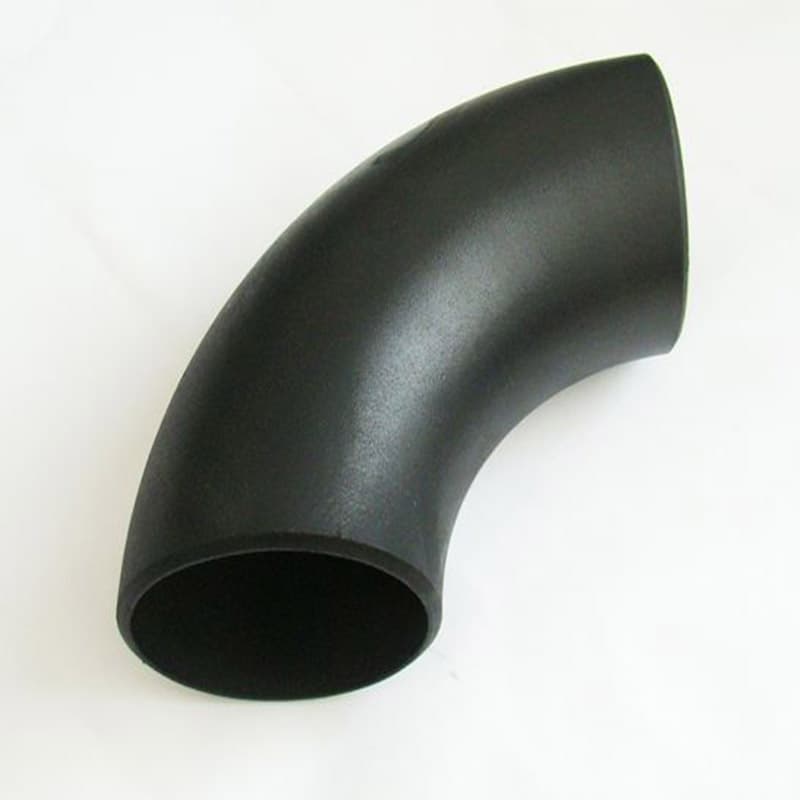
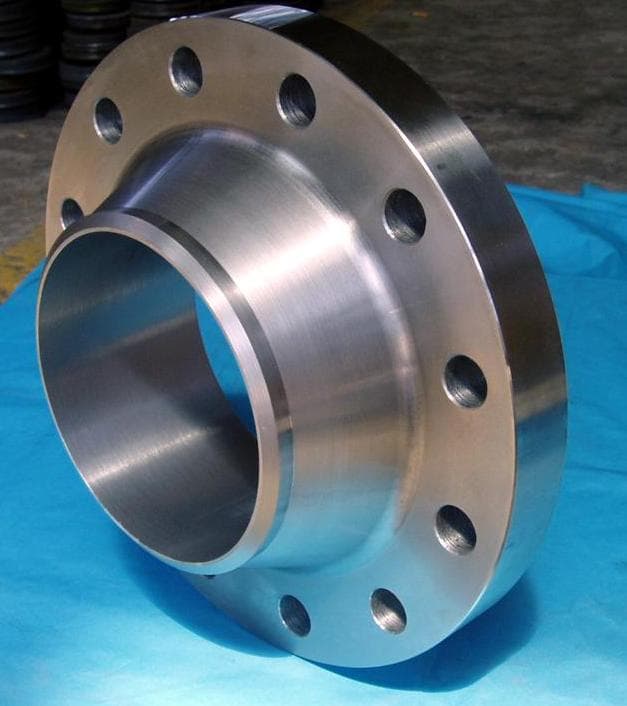
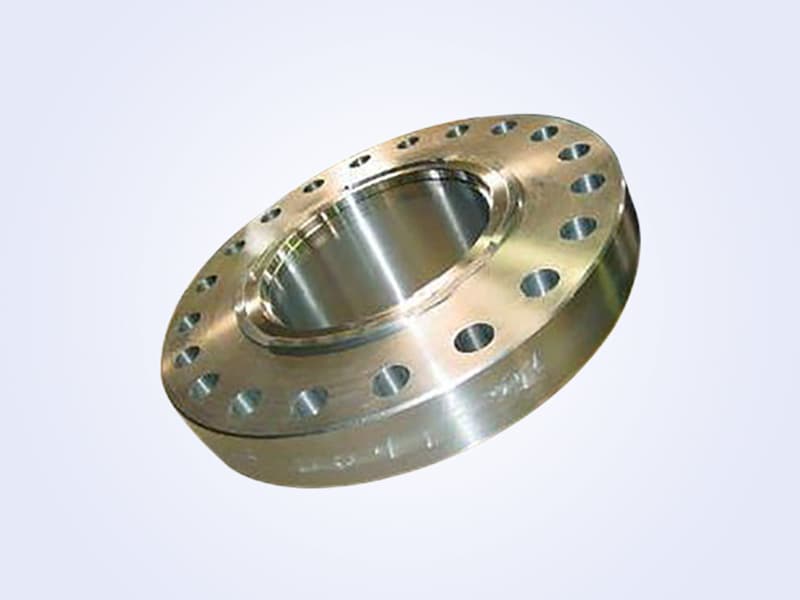
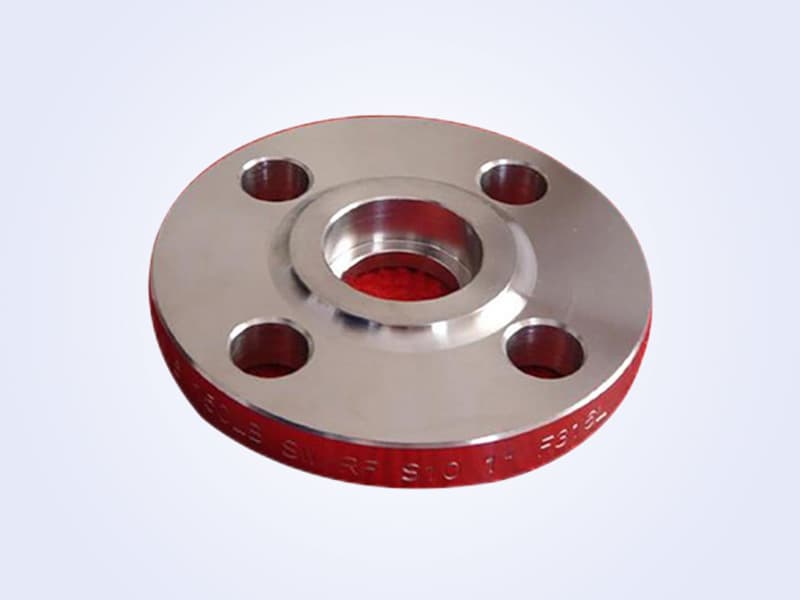
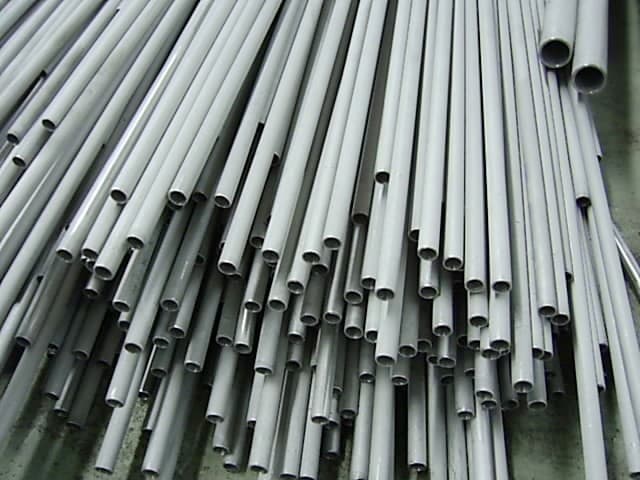
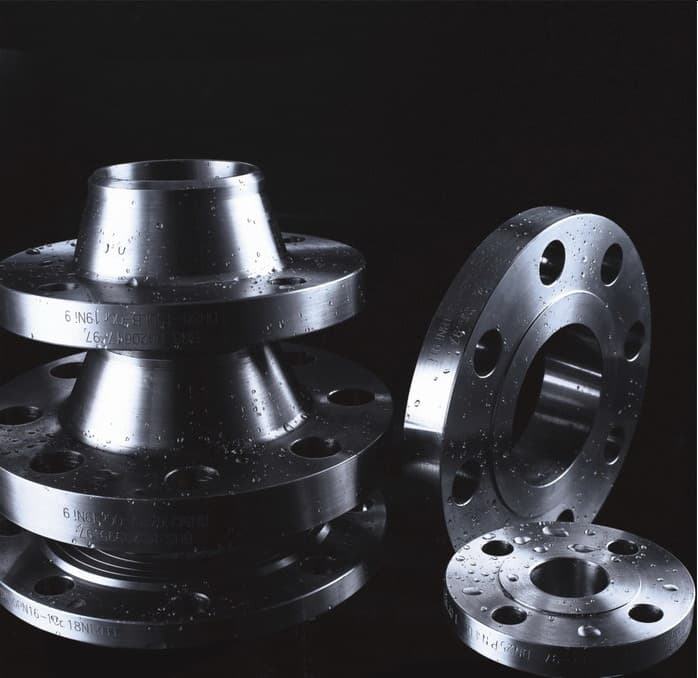
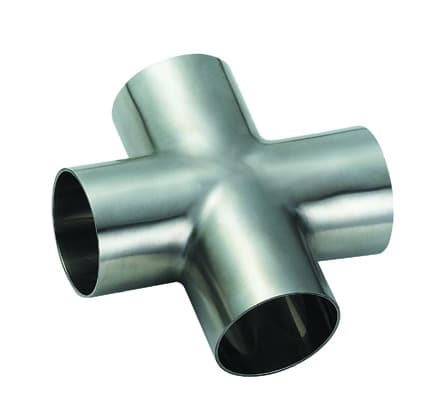
We supply A312 and A790 seamless steel pipes with matching butt-welding pipe fittings and forged flanges from coordinated heats.
Procurement / spec checklist
- State the standard, grade, size, schedule and condition. Example: "ASTM A312 TP316L, NPS 6 Sch 40S, seamless, solution annealed, pickled" or "ASTM A790 UNS S32205, NPS 8 Sch 40S, seamless, solution annealed and water quenched".
- For duplex, require ferrite/austenite phase balance reporting and ASTM G48 corrosion test.
- State the design temperature; verify it is inside the safe operating window for the chosen grade.
- Specify NDE level: hydrostatic test or eddy current per the standard.
- Require EN 10204 3.1 or 3.2 MTRs.
- For NORSOK projects, require NORSOK M-650 manufacturer qualification on top of ASTM compliance.
- Reference the latest published edition of the ASTM standard.
Need mixed A312 and A790 line packs quoted? Send the line list via our inquiry page.
Sources
- https://blog.projectmaterials.com/pipes/stainless-pipes-a312-a790/
- https://blog.projectmaterials.com/pipes/pipe-materials/astm-materials-stainless-duplex-pipes/
- https://ssmalloys.com/astm-a790-specificatioin/
- https://www.octalsteel.com/resources/astm-a312-tp304-tp316-ss-pipe/
Need a quote for the products mentioned in this article?
Submit your specs and our pressure piping team will respond within one business day.
Send RFQRelated reading
 Standards
ASTM A860 High-Strength Buttweld Fittings: Procurement Guide
ASTM A860 covers high-strength ferritic steel butt-welding fittings for high-pressure gas and oil pipelines. This guide explains scope, key requirements, and procurement checks, including the fact that hydrostatic testing is not mandatory under this specification.
 Standards