DISCLAIMER: Hebei Haihao Group does not claim participation in this project. This case study is based solely on public information and is provided for industry reference.
Bacalhau Phase 1, operated by Equinor in the Brazilian pre-salt Santos Basin, represents a significant benchmark for ultra-deepwater FPSO projects. With a production capacity of 220,000 barrels per day and storage of two million barrels, the project highlights the engineering and procurement challenges of high-pressure, high-CO2 reservoirs. For EPC engineers and procurement managers, understanding the technical parameters and supply chain requirements of such projects is essential for planning and executing similar developments.
Project Overview and Key Parameters
Bacalhau is Equinor's largest international field, with an estimated recovery of over 1 billion barrels of oil equivalent for Phase 1. The field is located in water depths exceeding 2,000 meters, with a complex carbonate reservoir at 900 bar pressure. The FPSO, one of the largest in Brazil, measures 370 meters long and 64 meters wide. The project achieved first oil in October 2025, with a planned production capacity of 220,000 barrels per day.
The development includes 19 subsea wells tied back to the FPSO. The FPSO features combined cycle gas turbines, a first for Brazil, which significantly reduces CO2 emissions to approximately 9 kg per barrel, half the industry average. This focus on efficiency and emissions reduction is a key consideration for topsides piping design and material selection.
Piping Systems in Ultra-Deepwater FPSOs
In ultra-deepwater FPSOs like Bacalhau, piping systems must withstand extreme pressures, corrosive environments, and dynamic loads. The high reservoir pressure (900 bar) and presence of CO2 require careful material selection and welding procedures. Typical piping materials for such service include corrosion-resistant alloys (CRAs) such as duplex stainless steel or Inconel, depending on the specific corrosive agents and temperatures.
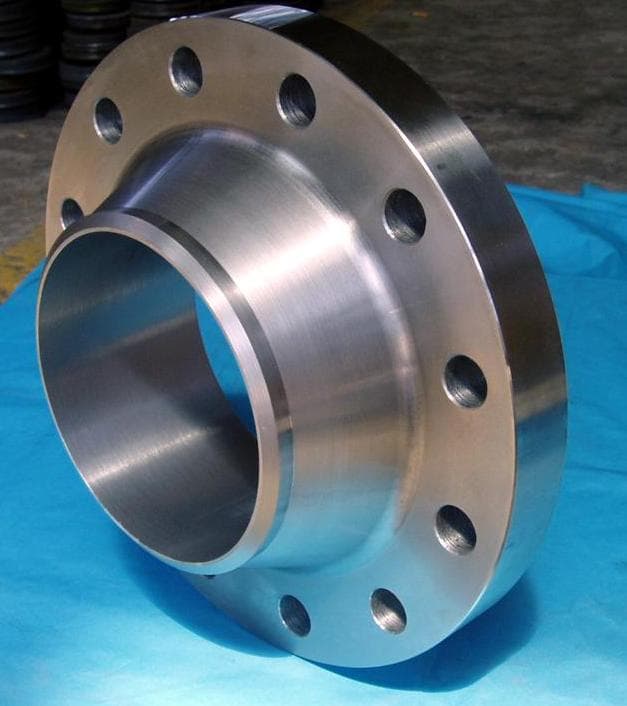
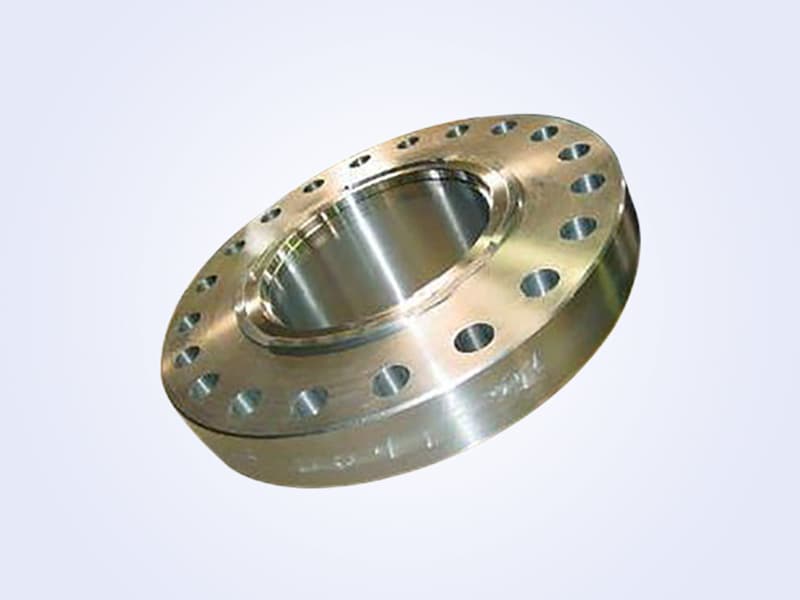
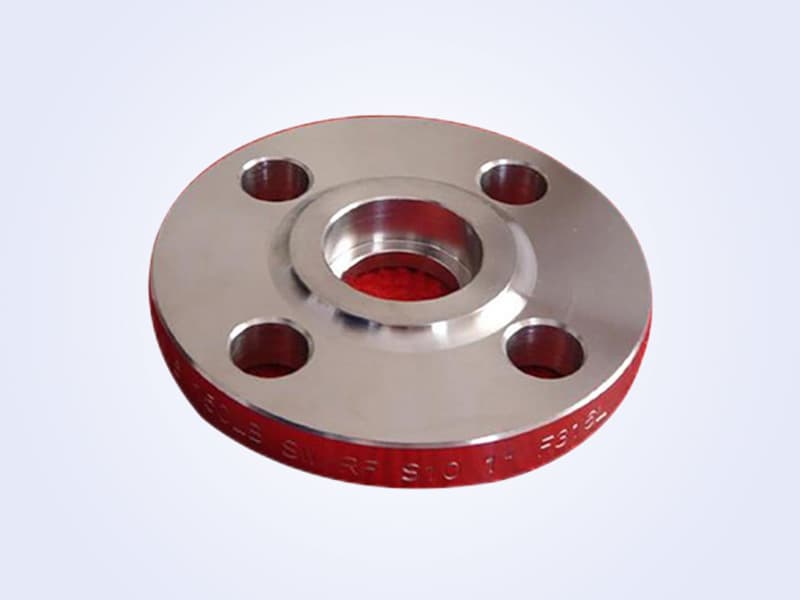
For procurement, it is critical to specify materials that meet NACE MR0175 for sour service, as CO2 and potential H2S can cause sulfide stress cracking. Additionally, piping must comply with ASME B31.3 for process piping, and fittings and flanges should meet ASME B16.9 and B16.5 standards. Given the dynamic nature of FPSO motions, fatigue analysis and proper support design are essential.
Procurement Considerations for EPC Buyers
When sourcing piping components for similar projects, EPC buyers should focus on the following:
- Material Certification: Require EN 10204 3.1 or 3.2 certificates, depending on criticality. For high-pressure and sour service, 3.2 with third-party inspection is often mandated.
- Traceability: Ensure full traceability from melt to final product, especially for CRAs.
- Testing: Specify PMI (Positive Material Identification) for all alloy components, and require Charpy impact testing for low-temperature service if applicable.
- Standards Compliance: Verify that fittings and flanges meet ASME B16.9, B16.5, and B16.25 for bevel preparation. For sour service, NACE MR0175 compliance is non-negotiable.
- Supplier Qualification: Audit manufacturers for quality management systems (ISO 9001), and if required, NORSOK M-650 for Norwegian continental shelf projects, though Bacalhau is Brazilian.
Inspection and Documentation Points
For critical piping systems, inspection should include:
- Dimensional Inspection: Per ASME B16.9 for fittings, checking wall thickness, end-to-end dimensions, and bevel geometry.
- NDT: Radiographic or ultrasonic testing on welds, and surface inspection (PT/MT) on finished fittings.
- Hydrostatic Testing: Per project specifications, typically at 1.5 times design pressure.
- Documentation: Review MTCs, heat treatment charts, and NDT reports. Ensure that all certificates are consistent with purchase order requirements.
Common Risks and Mitigation
Common risks in such projects include:
- Material Substitution: Unscrupulous suppliers may substitute lower-grade materials. Mitigate by requiring PMI on every heat and independent lab verification.
- Delayed Deliveries: Long lead times for CRAs and large-diameter fittings. Plan procurement early and consider dual sourcing.
- Welding Issues: In sour service, weld hardness must be controlled. Ensure WPS/PQR are qualified per NACE MR0175.
How Hebei Haihao Can Support
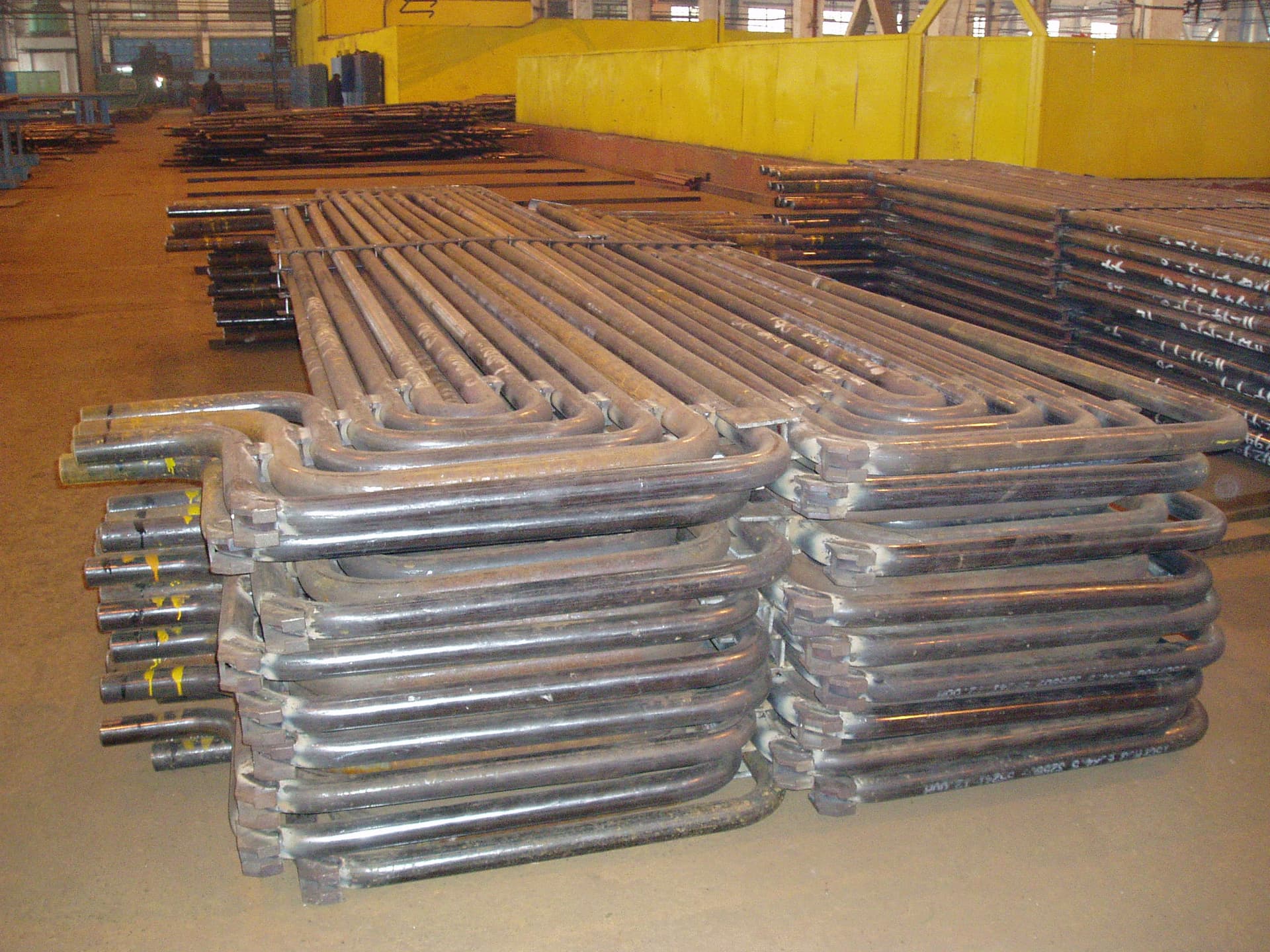
Hebei Haihao Group offers a range of prefabricated piping and anti-corrosion solutions that can be tailored to similar offshore projects. Our prefabricated piping and installation services help reduce on-site welding and installation time, while our anti-corrosion and insulation fittings provide protection against corrosive environments. While we do not claim involvement in Bacalhau, our capabilities align with the demanding requirements of ultra-deepwater FPSOs.
Conclusion
Bacalhau Phase 1 serves as a reference for future deepwater developments, emphasizing the importance of robust engineering, stringent material selection, and rigorous procurement practices. By understanding the project's key parameters and applying best practices in piping procurement, EPC engineers can mitigate risks and ensure project success.
Sources
- https://www.equinor.com/energy/bacalhau
- https://www.equinor.com/news/archive/20210601-final-investment-decision-bacalhau-phase1-brazil
Need a quote for the products mentioned in this article?
Submit your specs and our pressure piping team will respond within one business day.
Send RFQRelated reading
 Case studies
Marsa LNG Oman: Electrified Liquefaction and Piping-System Reference
TotalEnergies and OQ's Marsa LNG project in Sohar, Oman, will use electric motors and a 300 MWp solar plant to produce one million tons of LNG per year. This case study examines the low-carbon design and what it means for piping procurement.
 Case studies