Introduction
For procurement engineers in oil & gas, petrochemical, and power generation, selecting the right flange type is a critical decision that impacts system safety, maintenance, and total cost of ownership. Buttweld (weld neck) and socket weld flanges are two common designs, each with distinct performance characteristics. This guide provides a practical comparison focused on procurement considerations, including standards, inspection requirements, and RFQ best practices.
Understanding Each Type
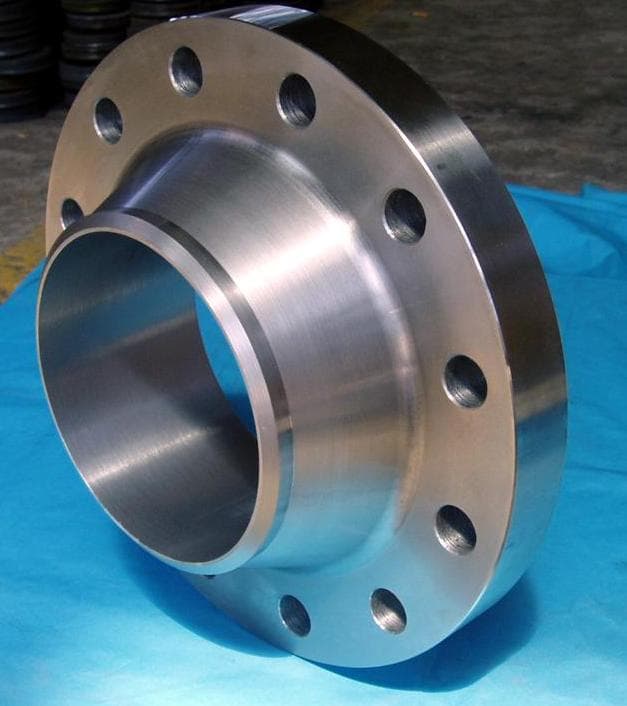
Buttweld Flanges
A buttweld flange is attached to the pipe by butt welding the pipe end to the flange neck. This creates a full-penetration weld that ensures high structural integrity and smooth bore. Key features:
- Excellent for high-pressure, high-temperature services
- Bore diameter matches the pipe, reducing erosion and turbulence
- Requires skilled welding and radiographic inspection
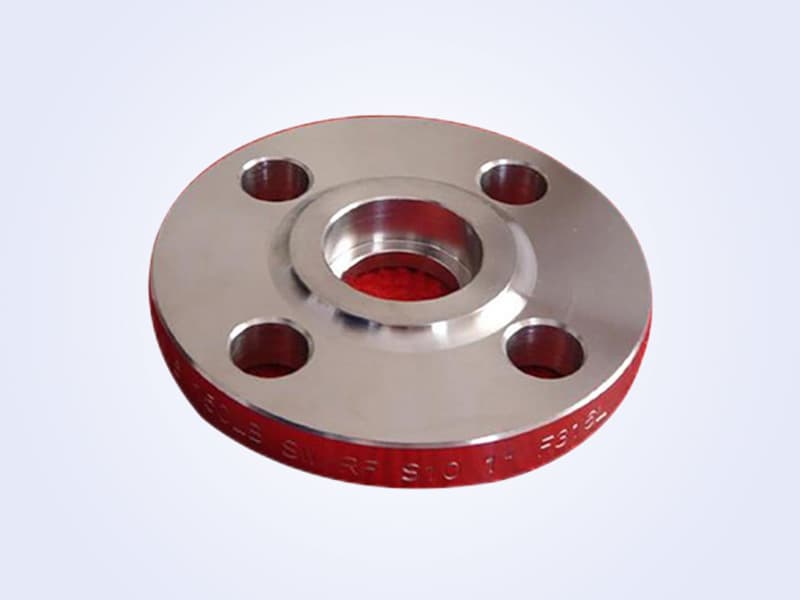
Socket Weld Flanges
A socket weld flange has a recessed socket where the pipe is inserted and then fillet welded around the top. Advantages include:
- Easy alignment and welding (no beveling required)
- Cost-effective for small pipe sizes (NPS 4 or smaller)
- Good for low-pressure, non-critical services
Performance Comparison
| Feature | Buttweld | Socket Weld |
|---|---|---|
| Pressure rating | Up to 2500# and higher | Typically up to 600# |
| Temperature range | Wide (cryogenic to high heat) | Limited (above 500°C not recommended) |
| Fatigue resistance | Excellent | Moderate (stress concentration at socket root) |
| Leak integrity | High (full penetration weld) | Relies on fillet weld; can trap fluids |
| Installation cost | Higher (labor + inspection) | Lower (simpler weld) |
| Maintenance | More robust, less frequent replacement | Easier to disassemble |
Standards to Confirm
When procuring flanges, always verify compliance with applicable ASTM and ASME standards:
- Buttweld flanges: ASME B16.5 (dimensions), ASTM A105 (carbon steel), ASTM A182 (alloy/stainless), ASTM A694 (high-strength).
- Socket weld flanges: Same standards apply. Also check ASME B16.5 for socket dimensions and wall thickness.
- Pressure-temperature ratings per ASME B16.5, material group.
Inspection Documents Required
For each shipment, demand the following:
- Material Test Certificate (MTC) per EN 10204 Type 3.1 or 3.2
- Dimensional inspection report (as per ASME B16.5 tolerances)
- Hardness test report (for sour service per NACE MR0175)
- Positive Material Identification (PMI) report for alloy flanges
- Visual and NDT reports (MT, PT, RT) for weld end preparation if applicable
RFQ Checklist
When sending an inquiry for either type, include:
- Flange type (buttweld or socket weld)
- Size (NPS) and schedule/pressure class (e.g., 150#, 300#, 600#)
- Material specification (e.g., ASTM A105, A182 F304)
- Facing type (RF, FF, RTJ) and surface finish
- Required certificates (MTC, EN 10204, NACE)
- Quantity and delivery terms
- Applicable code edition (ASME B16.5 year)
Quality Risks to Watch
- Socket weld flanges: Risk of crevice corrosion if gap between pipe and socket is too small. Ensure full penetration fillet weld and proper gap per ASME B16.11.
- Buttweld flanges: Risk of misalignment during welding. Require pre-weld tacking and post-weld heat treatment (PWHT) for thick sections.
- Low-cost flanges: May come with substandard material (e.g., non-LME material for low-temperature). Insist on PMI and chemical analysis.
What to Send Before Quotation
To get accurate pricing and lead time, provide:
- Complete flange specification as above
- Expected volume (annual or order quantity)
- Delivery destination (port or site)
- Any third-party inspection requirement (e.g., Lloyds, DNV)
Conclusion
Choosing between buttweld and socket weld flanges depends on service conditions and budget. For critical high-pressure lines, buttweld is the standard. For small-bore utility lines, socket weld offers economy. Always prioritize certified materials and keep inspection records.
Need flanges for your next project? Hebei Haihao Group produces both buttweld and socket weld flanges in carbon steel, stainless steel, and alloys, complying with ASME B16.5, ASTM, and NACE standards. Contact our sales team with your RFQ to get a competitive quote and full documentation support.
Need a quote for the products mentioned in this article?
Submit your specs and our pressure piping team will respond within one business day.
Send RFQRelated reading
 Buyer guide
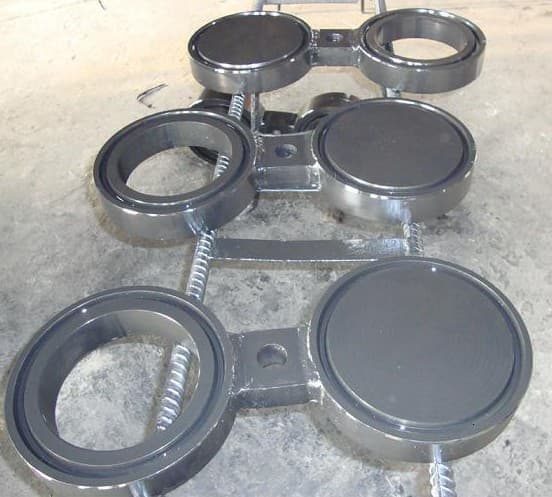
Orifice Flange RFQ Checklist: Class, Type, Taps and Documents
Specifying orifice flanges requires more than a standard flange RFQ. This checklist covers ASME B16.36 scope, class/type limits, tap details, and documentation gaps to verify before ordering.
 Buyer guide