Why this matters
For an EU buyer working with mixed European and American equipment, the question "is PN16 the same as Class 150?" comes up on almost every project. The honest answer is that they are similar in pressure intent at ambient but EN 1092-1 vs ASME B16.5 flanges are not dimensionally interchangeable, and the bolting almost never lines up. This guide gives EU procurement engineers the practical basis for the choice.
Scope comparison
| Aspect | EN 1092-1 | ASME B16.5 |
|---|---|---|
| Region | Europe (CEN), harmonised under PED 2014/68/EU | North America, used worldwide |
| Size designation | DN (nominal diameter, mm), DN 10 to DN 4000 | NPS (inch), NPS 1/2 to NPS 24 |
| Pressure designation | PN (bar at ambient): PN 2.5, 6, 10, 16, 25, 40, 63, 100, 160, 250, 320, 400 | Class (pound rating): 150, 300, 400, 600, 900, 1500, 2500 |
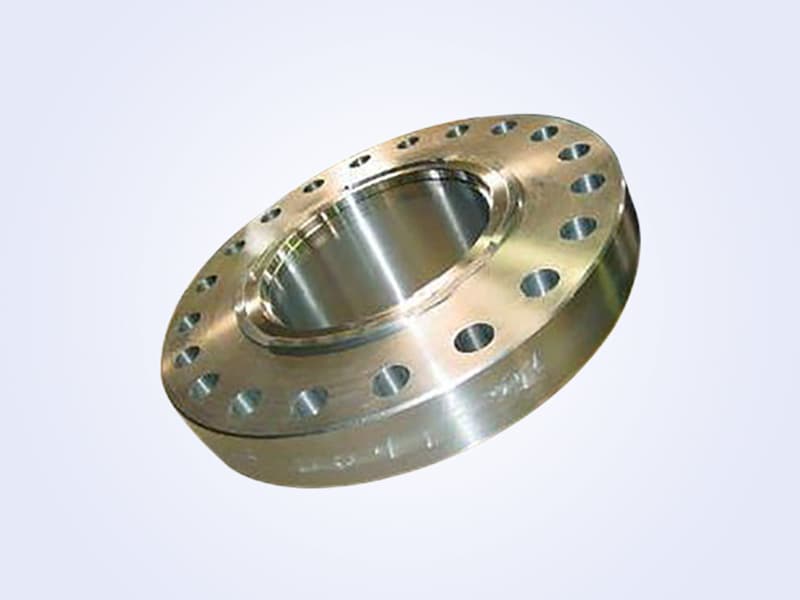
| Sealing surfaces | Type A flat, B raised face, C tongue, D groove, E spigot, F recess, G O-ring, H O-ring groove | RF, FF, RTJ |
| Material standard | EN 10222, EN 10028, EN 10213, etc | ASTM A105, A350, A182, A694 etc |
The EN 1092-1 size range goes far beyond ASME B16.5; for very large diameters in the ASME world you would jump to B16.47.
Key differences
- Pressure rating philosophy: PN equals the maximum working pressure in bar at ambient. Class is a pound designation with a pressure-temperature table that derates with temperature.
- Approximate equivalents: PN 16 is often equated with Class 150 and PN 40 with Class 300, but only as a rough indication. Allowable pressures at elevated temperature differ noticeably.
- Dimensions: For most DN / NPS pairs, the OD, bolt circle and bolt holes differ. Even when the OD is close, the bolt holes are drilled to different patterns, so EN and ASME flanges of the same nominal pressure cannot be bolted together face-to-face.
- Bolting: EN flanges typically use metric bolts. ASME B16.5 uses imperial bolts. Mixing the two requires special studs and washers.
- Face finishes: Both standards offer raised face equivalents, but the raised face heights and serrations differ.
- Material grades: EN 10222-2 P250GH is roughly comparable in service to ASTM A105 but with different chemistry limits.
When to choose which
- EU-built skid sold inside the EU: EN 1092-1 is usually the path of least resistance, especially because the equipment falls under PED 2014/68/EU.
- Tie-in to a US-built compressor or pump: ASME B16.5 typically wins to match the equipment nozzles.
- Mixed projects: Use adapter spool pieces with one EN face and one ASME face, sized to the higher rating.
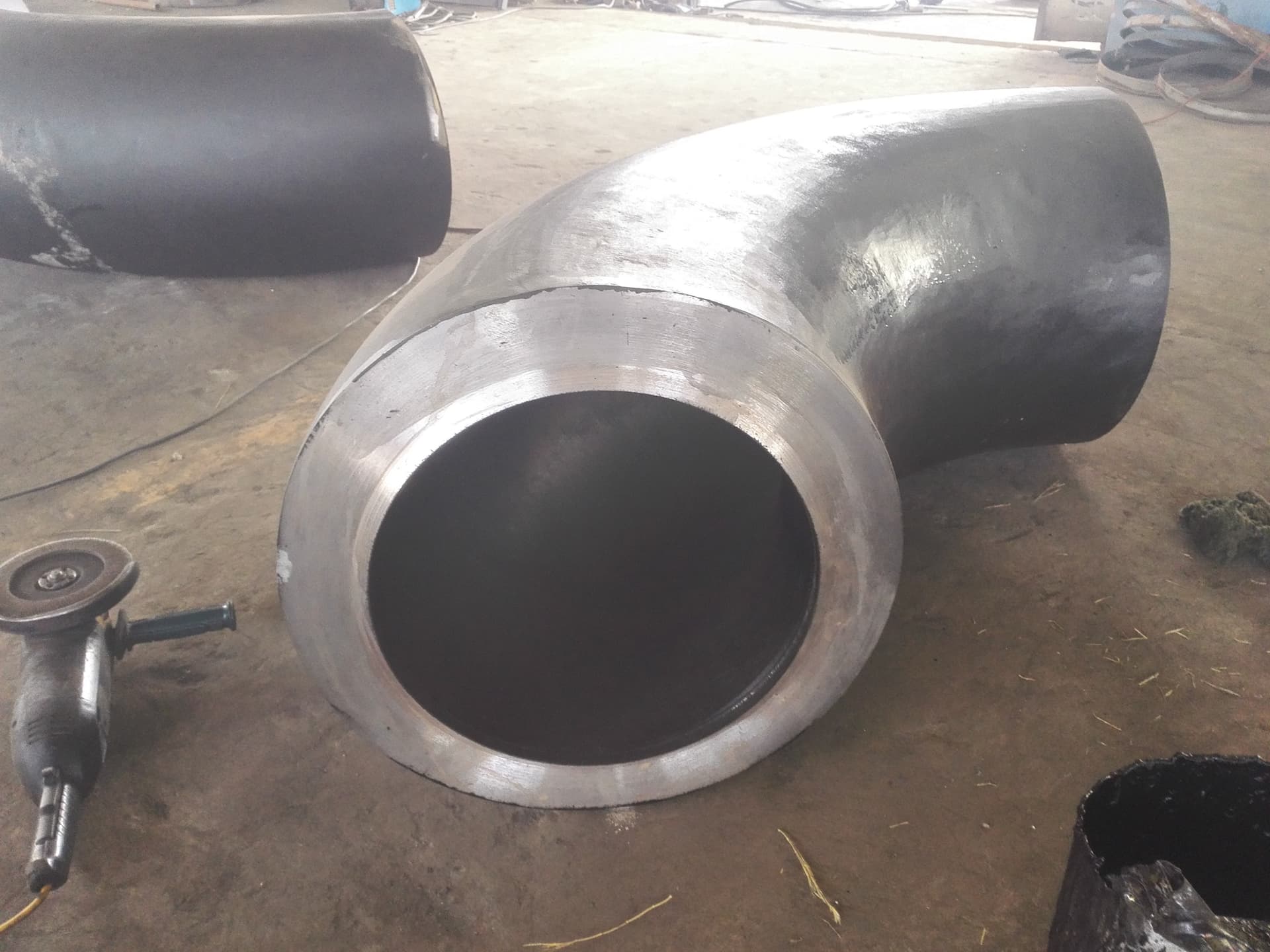
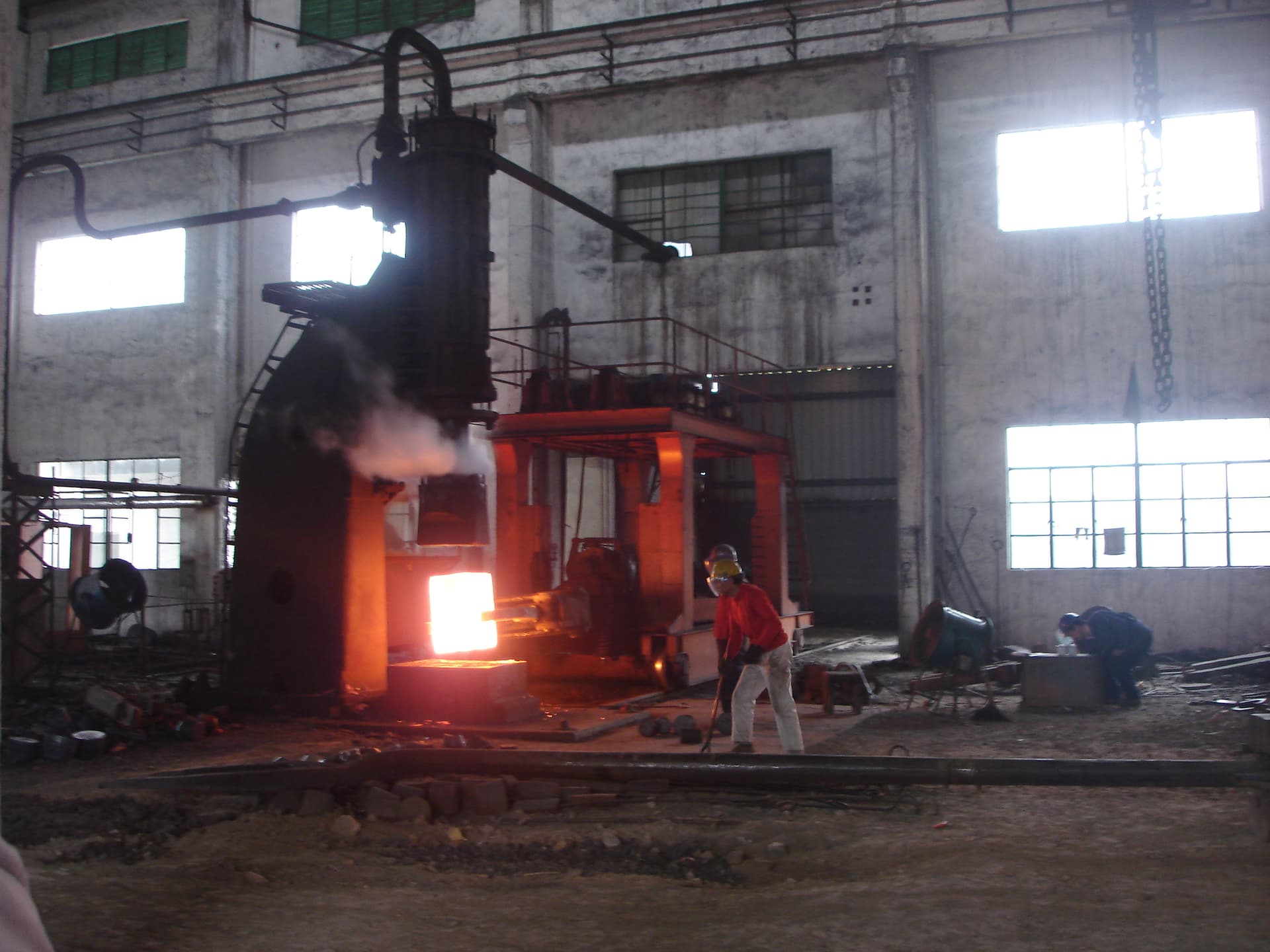
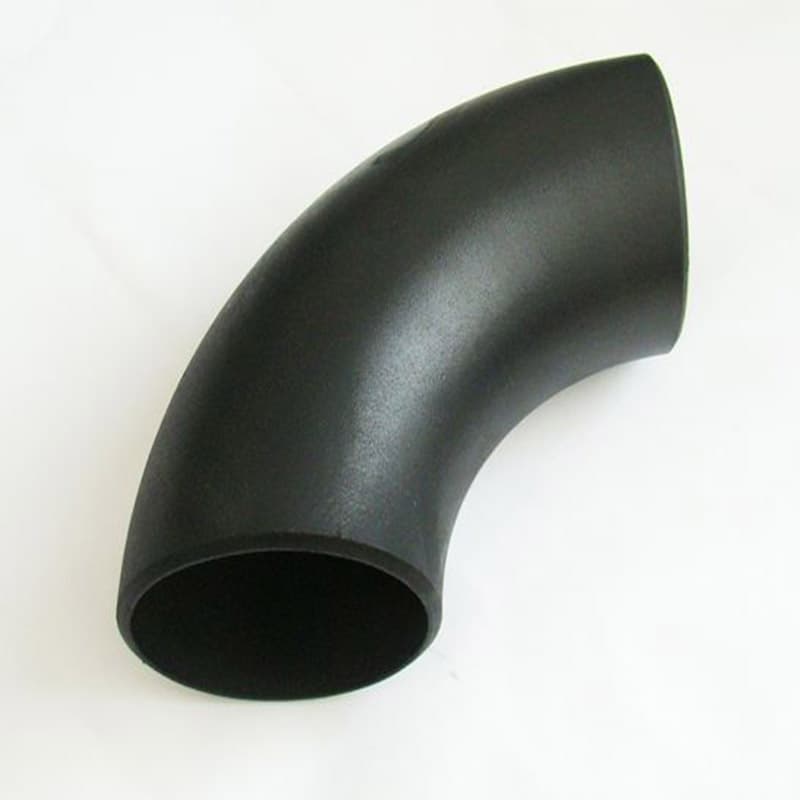
We forge both EN 1092-1 and ASME B16.5 patterns from the same heat: see our forged flanges and non-standard forgings and matching seamless butt-welding pipe fittings.
Procurement / spec checklist
- State EN or ASME explicitly. Never rely on "approximate equivalence".
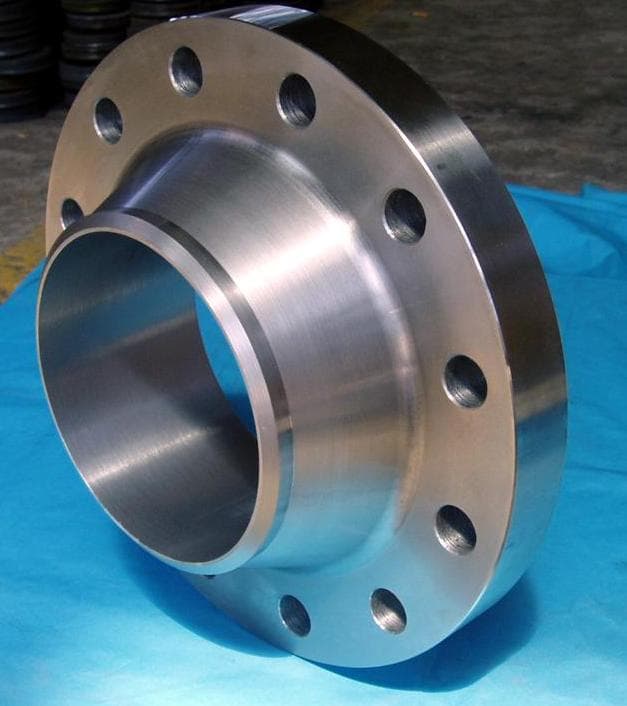
- For EN 1092-1, state DN, PN, type (e.g. Type 11 weld neck), face form (e.g. Form B1) and material (e.g. P250GH).
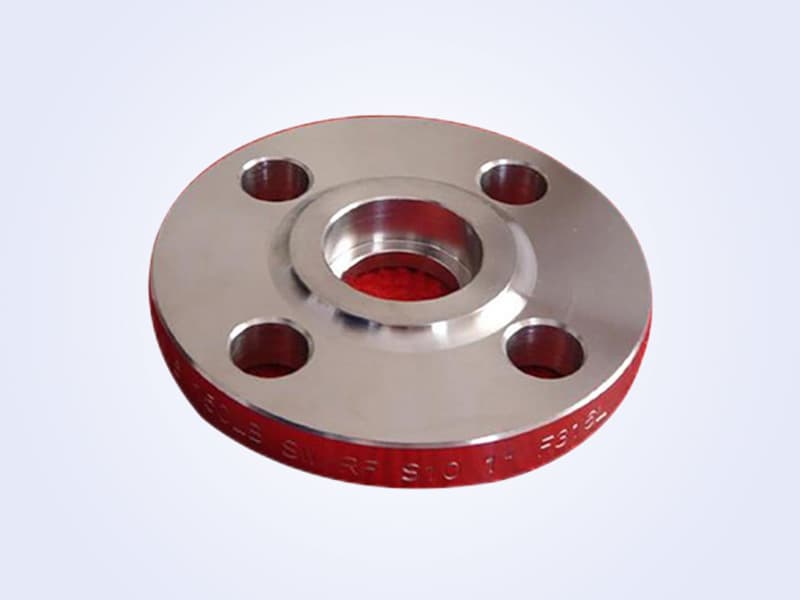
- For ASME B16.5, state NPS, class, face type and material (e.g. A105N).
- Specify the bolt and gasket standard explicitly.
- For any mating to a third-party flange, request a dimensional drawing to verify OD, bolt circle and number of bolts.
- For PED-scope equipment, ensure the flange material certificate is 3.1 per EN 10204 (3.2 if a notified body is involved).
Need an EN-to-ASME spool quoted? Send the spec via our inquiry page.
Sources
- https://blog.projectmaterials.com/quick-answers/flanges/asme-b16-5-vs-en-1092-1/
- https://sunhyings.com/blog/asme-b16-5-vs-din-en-1092-1-flange-comparison-guide/
- https://fmpipefitting.com/flange-compatibility-din-en-1092-1-vs-ansi-asme-b16-5/
- https://www.cwayexports.com/blog/din-vs-en-vs-asme-flanges-dimensions-pressure-ratings-applications/
Need a quote for the products mentioned in this article?
Submit your specs and our pressure piping team will respond within one business day.
Send RFQRelated reading
 Standards
ASTM A403 Stainless Steel Fittings: Grades and Classes Explained
Understand ASTM A403/A403M for wrought austenitic stainless steel fittings: WP/CR grades, classes, heat treatment, and procurement checks for EPC buyers.
 Standards