DISCLAIMER: Hebei Haihao Group does not claim participation in this project. This case study is based solely on public information and is provided for industry reference.
GranMorgu is a deep-offshore oil development located approximately 150 kilometers off the coast of Suriname, operated by TotalEnergies with partners APA Corporation and Staatsolie. According to the operator's public project page, the development targets the Sapakara and Krabdagu fields on Block 58, with recoverable reserves estimated at nearly 760 million barrels. The planned floating production, storage, and offloading (FPSO) unit has a design capacity of 220,000 barrels per day, with commissioning scheduled for 2028. The FPSO is based on design principles from similar units operating in Guyana, and it is designed to allow future connection of satellite fields.
For EPC engineers, procurement managers, and inspectors, GranMorgu serves as a useful reference for the scale and complexity of modern deep-water FPSO projects. While Hebei Haihao Group has no confirmed role in this project, the public information provides a framework for understanding the piping demands of such developments and the procurement considerations they entail.
Project Overview and Piping Implications
The GranMorgu project involves a large FPSO with substantial topside processing facilities. Although specific piping specifications are not publicly disclosed, deep-offshore FPSOs typically require extensive piping systems for production, separation, gas compression, water injection, and utility services. These systems often involve:
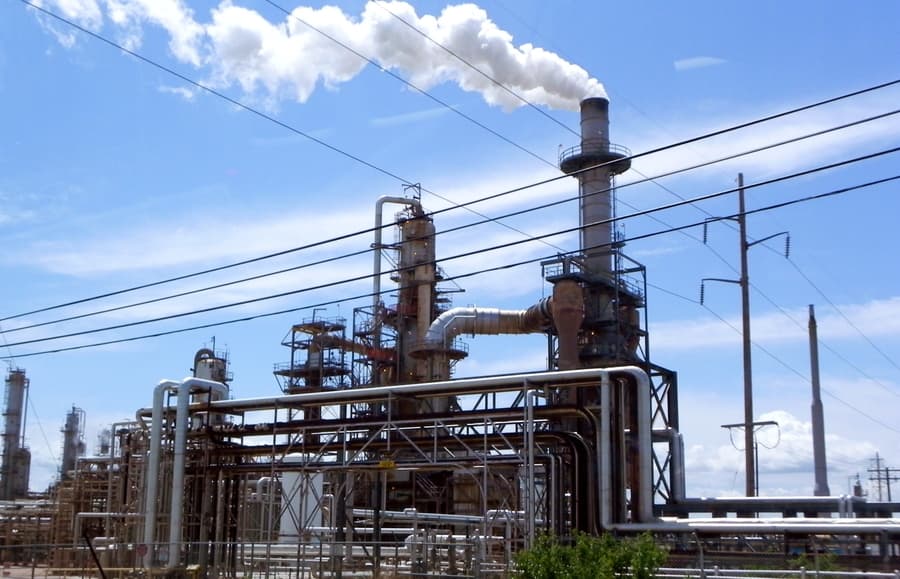
- High-pressure production and export lines
- Sour service and corrosion-resistant alloys for aggressive fluids
- Cryogenic or low-temperature services for gas processing
- Large-bore carbon steel lines for water and utility systems
- Complex pipe support and hanger arrangements to manage thermal expansion and dynamic loads
Given the 220,000 b/d capacity, the topside piping network is extensive, involving thousands of fittings, flanges, and supports. The all-electric FPSO design, with no routine flaring and gas reinjection, adds complexity to the piping systems, requiring tight tolerance and high-integrity welds.
Procurement Considerations for FPSO Piping
When preparing to supply piping components for a project like GranMorgu, buyers must verify several key aspects:
- Material specifications: Confirm the required material grades (e.g., carbon steel, stainless steel, duplex, or nickel alloys) based on service conditions. For sour service, NACE MR0175 compliance may be necessary.
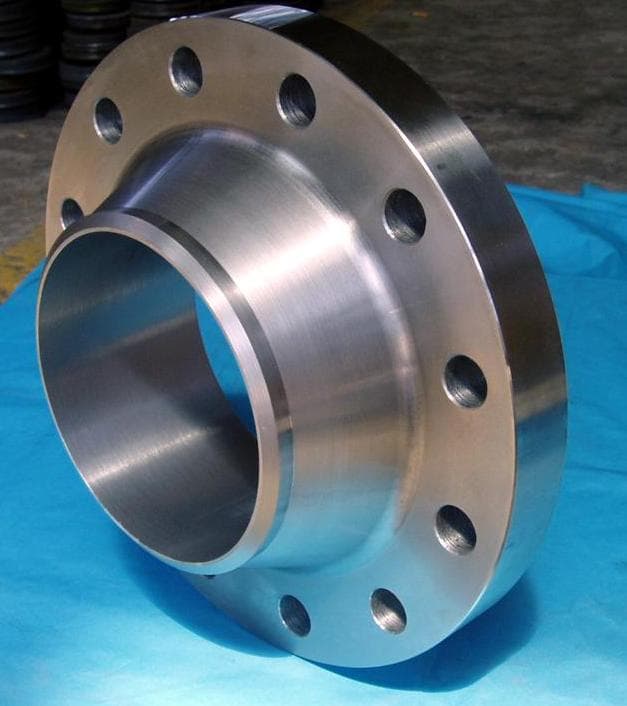
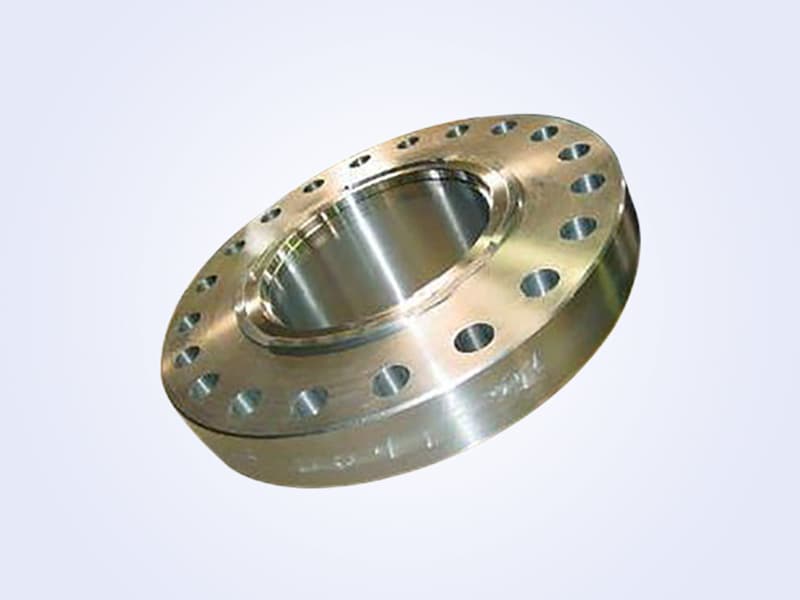
- Pressure ratings and standards: Determine the applicable ASME standards (e.g., B16.5 for flanges, B16.9 for fittings) and pressure classes (e.g., 150# to 2500#).
- Quality and testing requirements: Specify NDT methods (PT, MT, UT, RT) and acceptance criteria. For critical services, 100% inspection may be required.
- Documentation: Require EN 10204 3.1 or 3.2 material certificates, heat treatment reports, and traceability records.
- Lead times and capacity: FPSO projects often have aggressive schedules; confirm the manufacturer's capacity to deliver large quantities within the required timeframe.
RFQ Inputs for Piping Components
To obtain accurate quotations, provide the following in your RFQ:
- Project name and location (e.g., GranMorgu, Suriname) – helps suppliers understand logistics and compliance needs.
- Detailed line list or P&ID references – enables suppliers to recommend appropriate materials and ratings.
- Material specifications – include ASTM/ASME grades and any supplementary requirements (e.g., impact testing, hardness limits).
- Size and schedule – specify nominal pipe size and wall thickness (e.g., 12" Sch 80).
- End connections – butt-weld, socket-weld, threaded, or flanged.
- Quantity and packaging – provide estimated quantities and export packing requirements (e.g., ISPM-15).
- Inspection and testing – state whether third-party inspection (SGS, BV, TUV, etc.) is required and which standards apply.
- Delivery terms – Incoterms (FOB, CIF, etc.) and required delivery date.
Inspection and Documentation Points
For critical offshore piping, inspection is non-negotiable. Key checks include:
- Dimensional verification – per ASME B16.9 for fittings and B16.5 for flanges.
- Material verification – positive material identification (PMI) using XRF or OES to confirm alloy composition.
- Hardness testing – especially for sour service, to ensure compliance with NACE MR0175 hardness ceilings.
- Hydrostatic testing – where applicable, per ASME B31.3.
- Visual and surface inspection – for defects, weld quality, and surface finish.
- Documentation review – verify mill test certificates (MTCs) against EN 10204 requirements, heat numbers, and traceability.
Common Risks and Mitigation
- Material substitution: Ensure the supplier provides traceable materials with correct grades. PMI testing mitigates this risk.
- Delayed delivery: FPSO projects have tight schedules; build buffer into lead times and consider expediting.
- Non-compliance with standards: Verify that all components meet the specified ASME/API standards and project specifications.
- Logistics challenges: Suriname's infrastructure may require careful planning for freight and customs clearance.
How Hebei Haihao Group Can Support
While Hebei Haihao Group is not involved in GranMorgu, the company offers a range of piping products and services that are relevant to FPSO projects. For example, our prefabricated piping and installation services can help reduce on-site welding and installation time, and our pipe supports and hangers are designed to meet the demanding requirements of offshore topsides.
When sourcing from any manufacturer, ensure they have the necessary certifications (e.g., ISO 9001, PED, NORSOK) and experience with offshore projects. Request references and audit their facilities if possible.
Conclusion
GranMorgu represents a significant deep-water development that will require substantial piping infrastructure. For suppliers and buyers, the key is to focus on verified specifications, rigorous quality control, and clear communication. By following the procurement and inspection guidelines above, you can mitigate risks and ensure successful delivery of piping components for such projects.
Sources
Need a quote for the products mentioned in this article?
Submit your specs and our pressure piping team will respond within one business day.
Send RFQRelated reading
Case studiesIraq GGIP: A Multi-Energy Piping and Water-System Project Reference
Explore the Gas Growth Integrated Project (GGIP) in Iraq—a multi-energy initiative by TotalEnergies, Basrah Oil Company, and QatarEnergy. This reference covers project scope, procurement considerations for piping and water systems, and key checks for EPC engineers and buyers.
Case studies