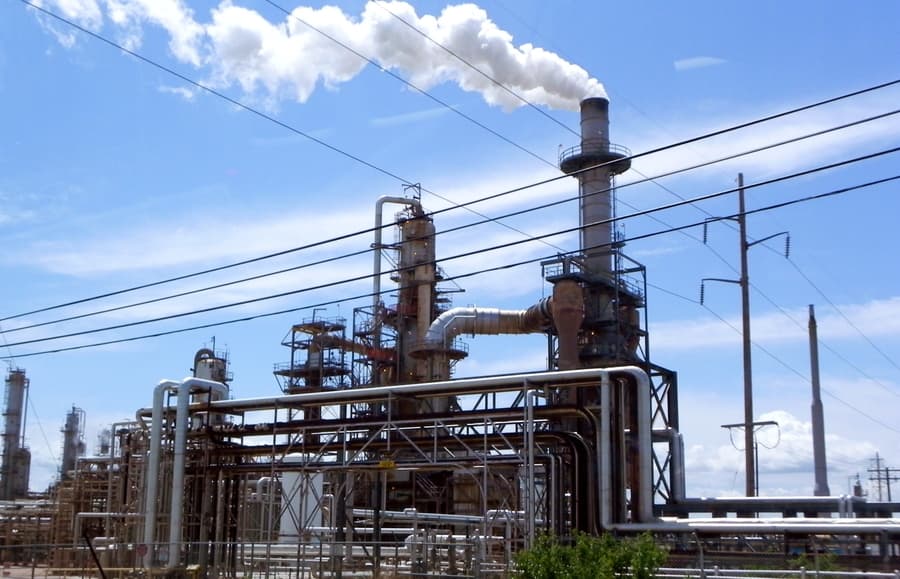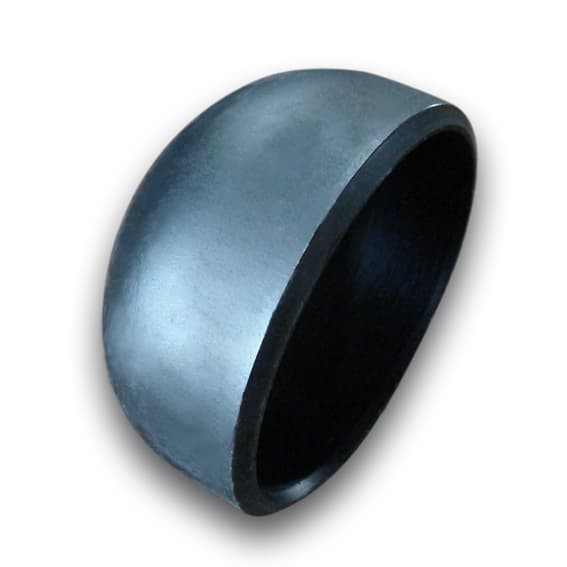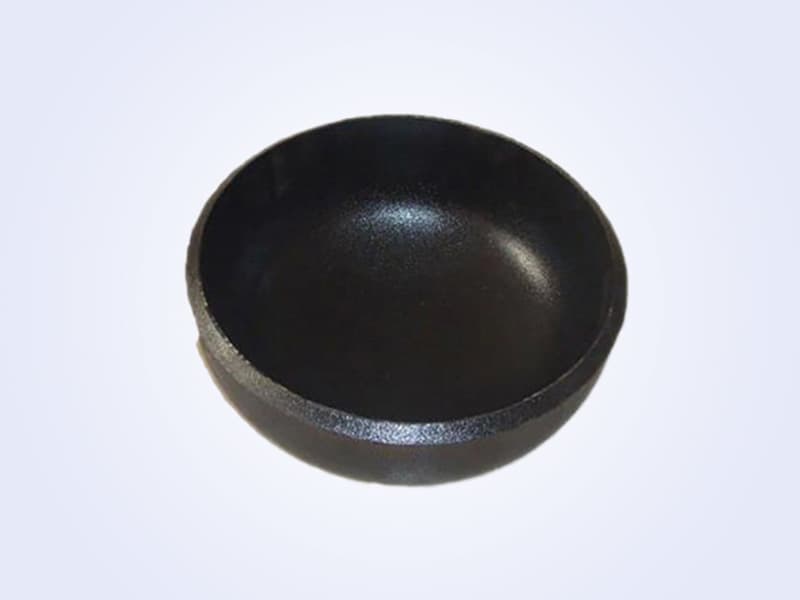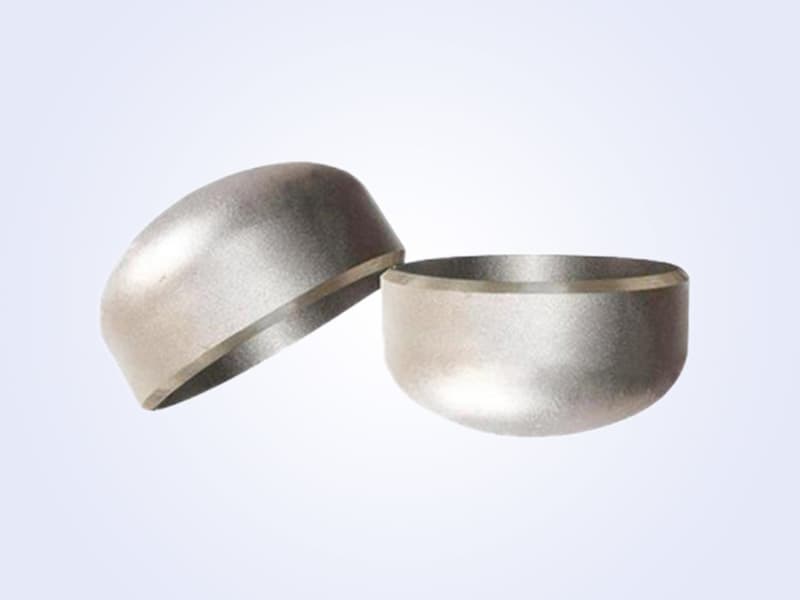
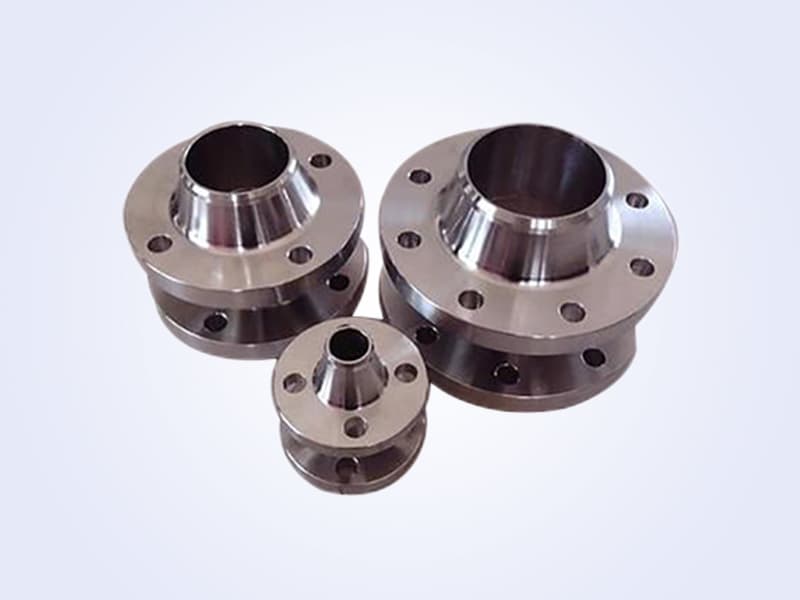
In heavy industry, butt-weld fittings are ubiquitous. They are not only the "skeleton" of the industry but also bear the important task of carrying liquids and gases. Speaking of butt-weld fittings, have you ever thought about what magical roles they play in heavy industry? Today, I will take you deep into this topic.
What Are Butt-Weld Fittings?
First, we need to understand the basic concept of butt-weld fittings. Simply put, they are components that connect pipes through butt welding. The advantage of this connection method lies in its sealing and strength, especially suitable for high-pressure and high-temperature environments.
Advantages of Butt-Weld Fittings
In heavy industry, one huge advantage of butt-weld fittings is their durability. Whether in high-temperature, high-pressure environments, or under acid and alkali corrosion conditions, butt-weld fittings perform with ease. They are like the "warriors" of heavy industry, ready to face various challenges.
Also, their ease of installation. Compared to other connection methods, installing butt-weld fittings is usually simpler. This is undoubtedly a time-saving and labor-saving good news for operators in heavy industry. Imagine if installing a pipeline takes several days, that would be really frustrating.
Application Examples
- Oil and Gas Industry
In oil and gas extraction, the application of butt-weld fittings is indispensable. Imagine that oil and gas transportation requires long pipeline networks, and these pipelines must be able to withstand high pressure. Butt-weld fittings exactly meet this requirement. Through the connection of butt-weld fittings, oil and gas can be safely and stably transported from underground to the surface without leakage accidents.
- Chemical Industry
The chemical industry's process flow also cannot do without butt-weld fittings. For production lines that need to transport corrosive liquids, ordinary connection methods cannot meet the requirements at all. At this time, butt-weld fittings, with their superior corrosion resistance, become the choice of chemical plants. It can be said that without butt-weld fittings, many chemical reactions cannot proceed smoothly.
- Power Industry
In the power industry, pipeline systems also need strong bearing capacity. Whether conveying steam or cooling water, butt-weld fittings provide stable connections. Especially in power plants, the normal operation of equipment is crucial for safety; any small problem can lead to a major failure. Therefore, using high-quality butt-weld fittings can effectively reduce this risk.
Future Development Trends
With the advancement of technology, the application of butt-weld fittings in heavy industry is also constantly developing. In recent years, many companies have started focusing on material research and development, striving to produce lighter and more durable butt-weld fittings. This is like a race without an end; only continuous innovation can maintain competitiveness.
At the same time, with the rise of environmental awareness, many companies are paying attention to the recycling and reuse of butt-weld fittings. In the future, more environmentally friendly butt-weld fittings may appear, which will bring new opportunities and challenges to heavy industry.
In summary, the application of butt-weld fittings in heavy industry is a diverse and extensive field, from oil, chemical to power, showing its importance. It can be said that it is these inconspicuous connecting components that make the operation of the entire heavy industry more efficient and safe.
In this rapidly changing era, staying sensitive to new technologies and exploring new materials can keep us at the forefront of heavy industry. What do you think? What changes will butt-weld fittings bring in the future?
Need a quote for the products mentioned in this article?
Submit your specs and our pressure piping team will respond within one business day.
Send RFQRelated reading
 Industry news
Manatee Gas FID in Trinidad and Tobago: A Source-Checked LNG Feedgas Update
Shell's July 2024 FID for the Manatee gas development in Trinidad and Tobago signals continued investment in LNG feedgas. This update outlines what is verified, what remains to be checked, and how EPC buyers can align procurement with evolving project timelines.
 Industry news