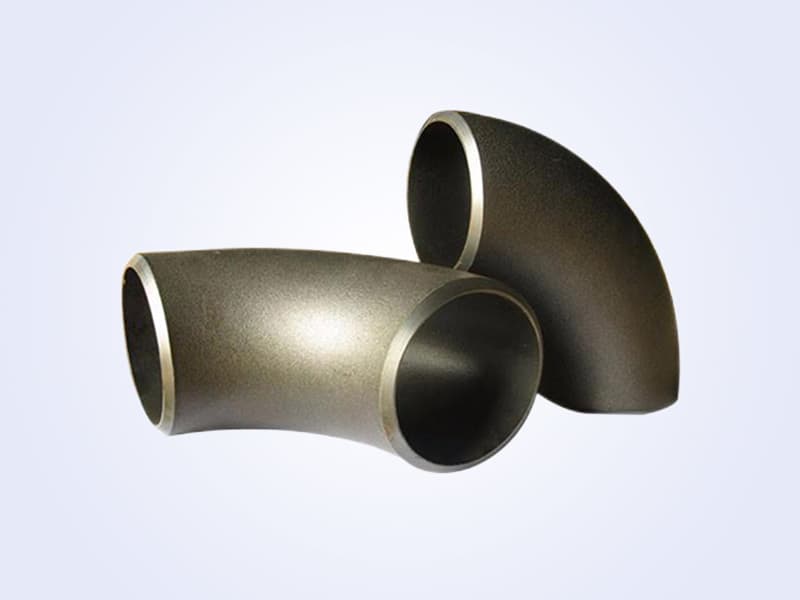
In the world of pipe connections, flanges are like keys unlocking communication between different fittings. Among these, weld neck flanges and socket weld flanges are two of the most common types. Have you ever wondered what exactly sets them apart? And in various industrial applications, which one suits your needs better?
Characteristics of Weld Neck Flanges
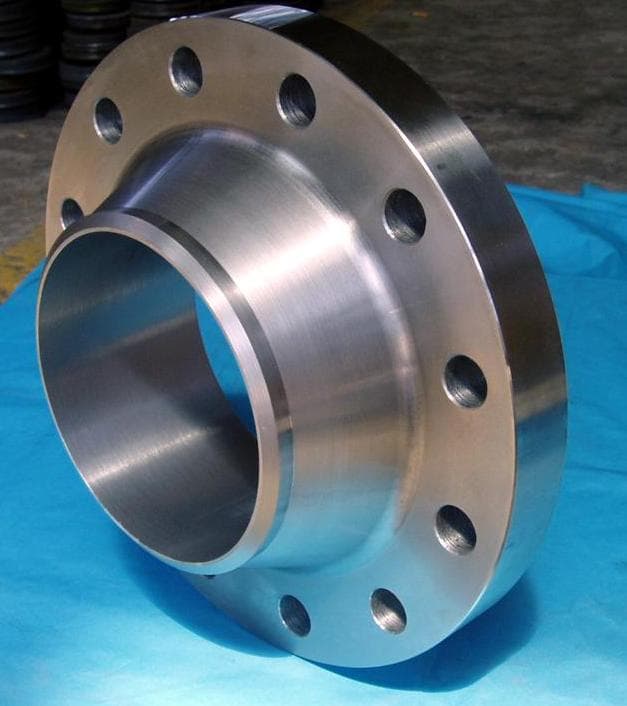
First, let's talk about weld neck flanges. Imagine weld neck flanges as two friends firmly holding each other's hands—the tight and seamless bond makes their connection more secure. Weld neck flanges are attached to pipes via welding, forming a high-strength, tight-sealed connection.
Advantages of This Connection
It can withstand higher pressure and temperature, making it ideal for high-pressure and high-temperature environments. Therefore, in industries like petroleum and chemical, weld neck flanges are commonly used for pipe connections. Additionally, due to the welding method, the risk of leakage is effectively reduced, making the entire system safer.
However, installing weld neck flanges requires certain technical skills, as welding is no casual task. It requires professional welders to ensure the quality of the weld, which inevitably increases construction complexity and cost.
Characteristics of Socket Weld Flanges
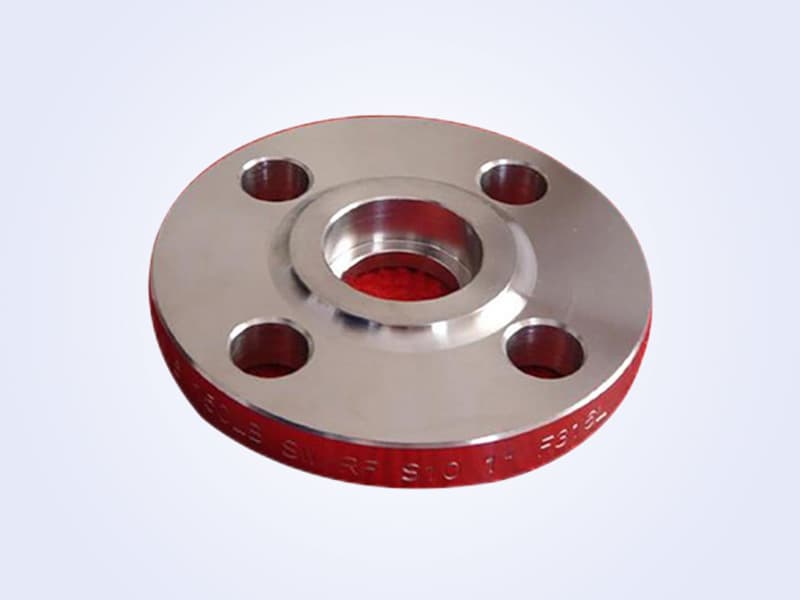
Now, let's look at socket weld flanges. Socket weld flanges are like a relatively simple puzzle—two flanges are connected by inserting one into the other. This connection is easier and more convenient to install, requiring no specialized welding skills. For small piping systems or applications where installation speed is critical, socket weld flanges are often the better choice.
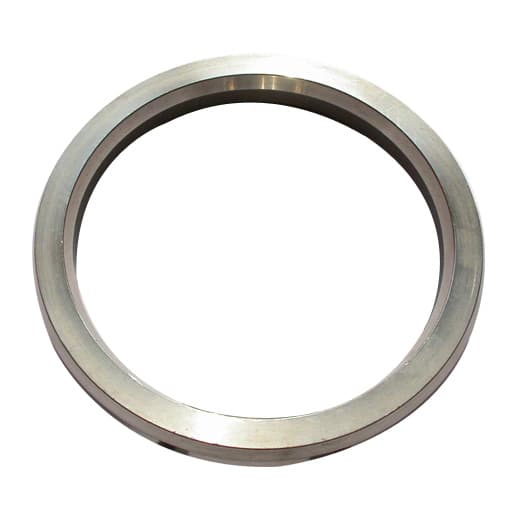
The design of socket weld flanges makes the connection more flexible, allowing quick disassembly and replacement. This saves considerable time and cost during maintenance and pipe replacement. However, these flanges have lower capacity for high pressure and temperature, making them unsuitable for harsh environments.
Performance Comparison
So how do weld neck flanges and socket weld flanges compare in performance? If placed on a racetrack, weld neck flanges excel under high pressure, while socket weld flanges are like agile runners, freely adapting to different environments.
In terms of sealing, weld neck flanges offer better sealing performance due to the welding nature. In contrast, socket weld flanges have limited sealing performance due to the insertion method, and are prone to leakage from wear and other factors.
In terms of cost, socket weld flanges have an advantage—not only is the purchase price lower, but the installation process also saves welding costs. However, in the long run, using weld neck flanges may reduce maintenance frequency due to their superior performance, thus lowering overall operating costs.
Application Scenario Analysis
Of course, choosing the right flange also depends on the specific application scenario. If your piping system faces harsh conditions of high pressure and high temperature, weld neck flanges are clearly the better choice. On the other hand, if you need quick installation and disassembly, or if the piping system is not very complex, socket weld flanges are undoubtedly the more flexible choice.
In summary, both weld neck flanges and socket weld flanges have their own pros and cons, suitable for different purposes. Choosing the right flange not only improves the efficiency of the piping system but also saves costs and ensures safety. We hope this article helps you better understand the characteristics of these two flanges and make an informed decision.
Need a quote for the products mentioned in this article?
Submit your specs and our pressure piping team will respond within one business day.
Send RFQRelated reading
Industry newsHaihao Flange Pipe Fittings: Providing Custom Services for Aerospace, Heavy Industry and Other High-Tech Fields
Haihao Flange Pipe Fittings: Providing Custom Services for Aerospace, Heavy Industry and Other High-Tech Fields. In today's era of rapid high-tech development, the demand for medium and low pressure pipe flanges in aerospace, heavy industry and other high-tech fields is growing.
Industry news