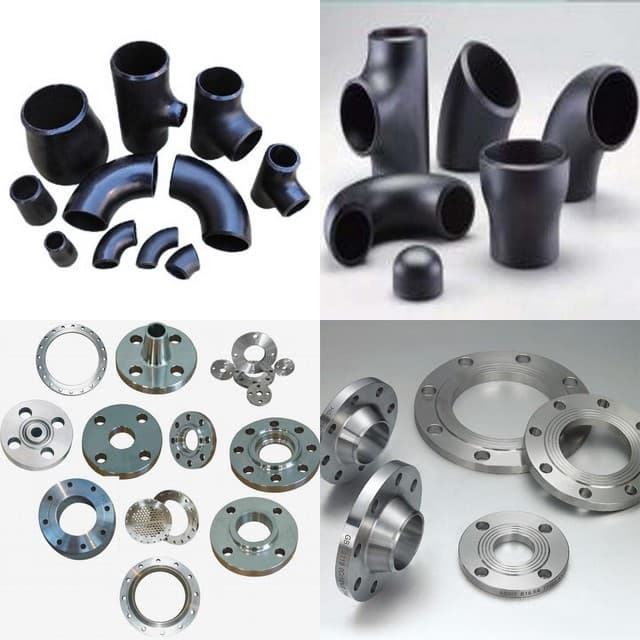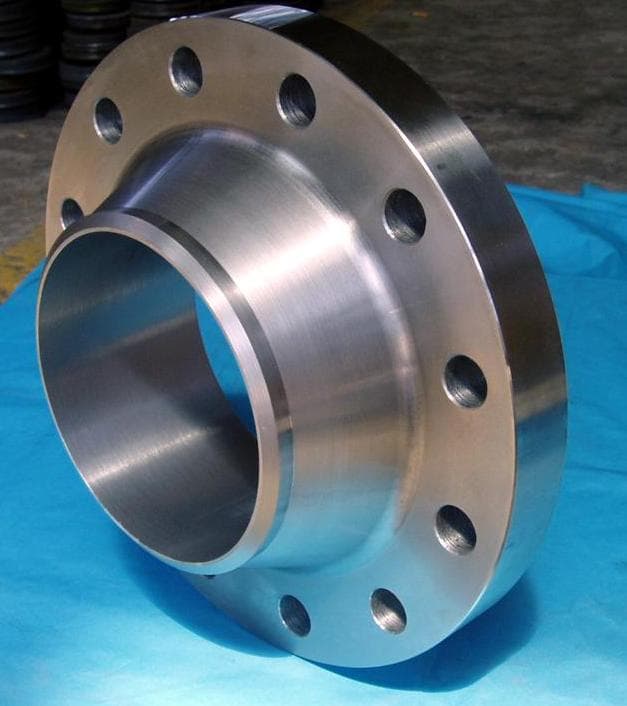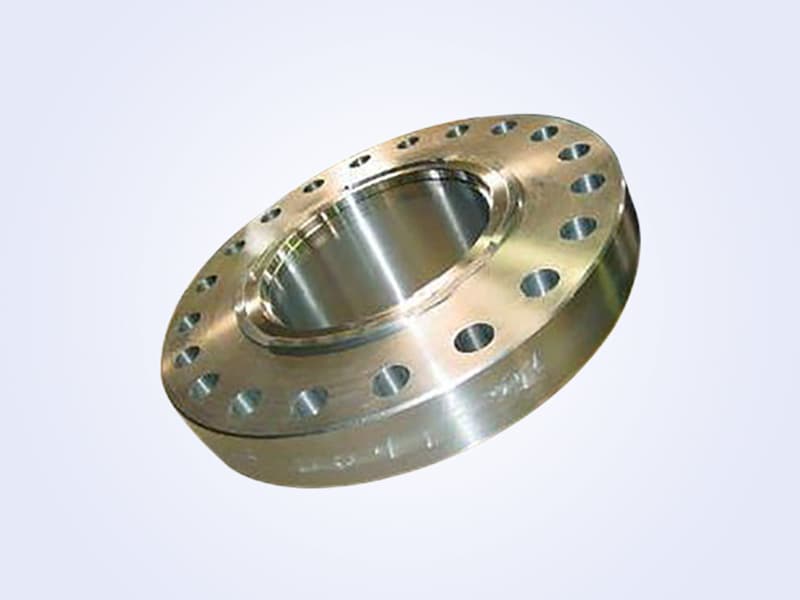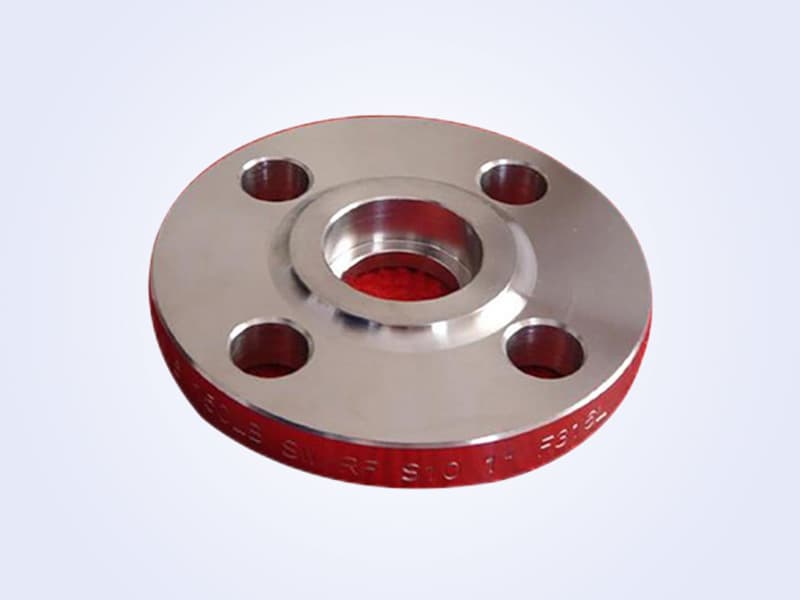
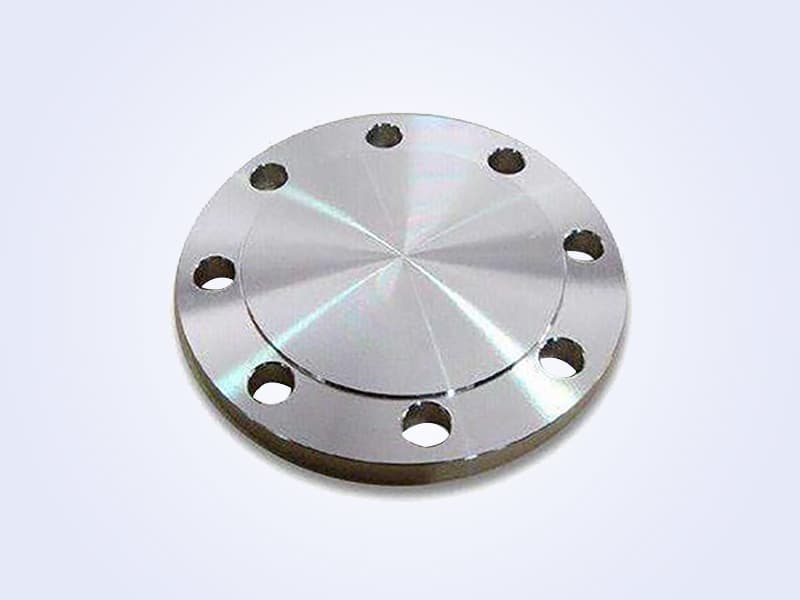
In industrial equipment, the figure-8 blind flange is undoubtedly a very important component. Speaking of which, you might wonder: 'What exactly is a figure-8 blind flange?' It is a device used to isolate or seal pipe fluid, commonly used in various industries such as petroleum and chemical. So, how to choose the right figure-8 blind flange? Let me explain the specifications and selection guide in detail.
What is a Figure-8 Blind Flange?
A figure-8 blind flange, as its name suggests, looks like an '8' shape. It is mainly used in piping systems to seal or isolate fluid. Imagine it as a door that blocks the fluid. Its design ensures good sealing performance even under high pressure or high temperature environments.
Specifications of Figure-8 Blind Flanges
When selecting a figure-8 blind flange, specifications are a crucial factor. Different applications require different specifications. Here are the main specification parameters:
- Size: The size of the figure-8 blind flange usually depends on the pipe diameter. Common sizes include DN50, DN80, DN100, etc. Ensure the blind flange size matches the pipe.
- Material: The material greatly affects performance. Common materials include stainless steel, carbon steel, and alloy steel. Different materials have varying temperature and corrosion resistance, so consider the working environment.
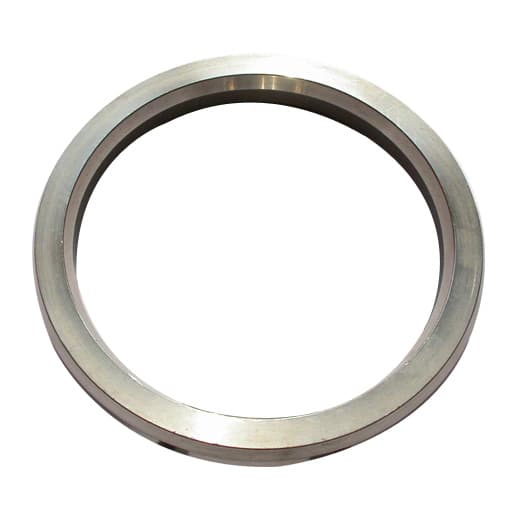
- Thickness: Thickness is critical for strength and pressure resistance. Generally, thicker blind flanges can withstand higher pressure but increase cost and weight.
- Sealing Type: Figure-8 blind flanges come with various sealing types, such as flat face seal and tongue-and-groove seal. Choosing the right sealing type enhances sealing effectiveness and prevents leakage.
How to Choose the Right Figure-8 Blind Flange?
Selecting the right figure-8 blind flange is not always simple. First, clarify your requirements. Consider the following aspects:
- Working Environment: What environment will the blind flange be in? For high temperature, high pressure, or corrosive conditions, choose materials with high temperature resistance and corrosion resistance.
- Fluid Properties: The fluid properties directly affect selection. For oils or chemicals, ensure the blind flange material is compatible to avoid corrosion and leakage.
- Installation Method: The installation method is also important. Common methods include flange bolting and welding. Consider whether your existing piping system supports the chosen method.
- Budget: Cost is always a factor. Different materials and specifications vary greatly in price. While ensuring quality, keep budget reasonable.
When choosing a figure-8 blind flange, besides understanding specifications and selection points, consult professionals for more advice. A wrong choice not only wastes money but may affect system safety and stability. During selection, compare different brands and models, focusing on long-term performance rather than just initial price. Just like buying shoes, comfort and fit matter; the same goes for blind flanges—choose what suits your needs.
Need a quote for the products mentioned in this article?
Submit your specs and our pressure piping team will respond within one business day.
Send RFQRelated reading
Industry newsHaihao Flange Pipe Fittings: Providing Custom Services for Aerospace, Heavy Industry and Other High-Tech Fields
Haihao Flange Pipe Fittings: Providing Custom Services for Aerospace, Heavy Industry and Other High-Tech Fields. In today's era of rapid high-tech development, the demand for medium and low pressure pipe flanges in aerospace, heavy industry and other high-tech fields is growing.
Industry news