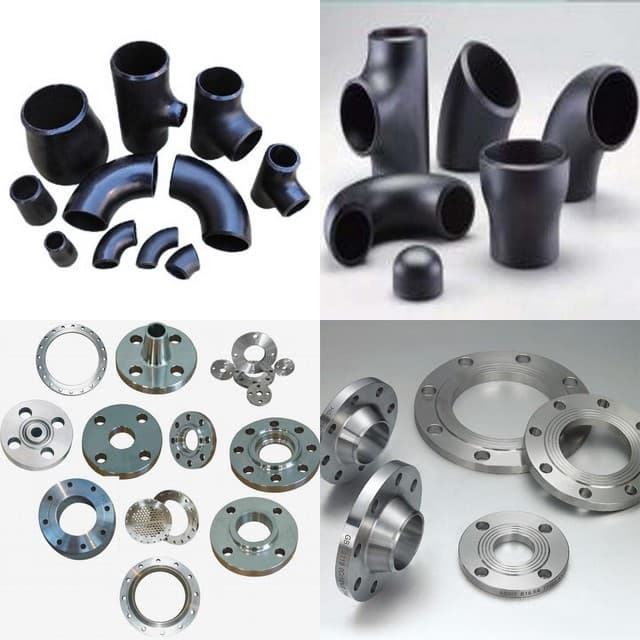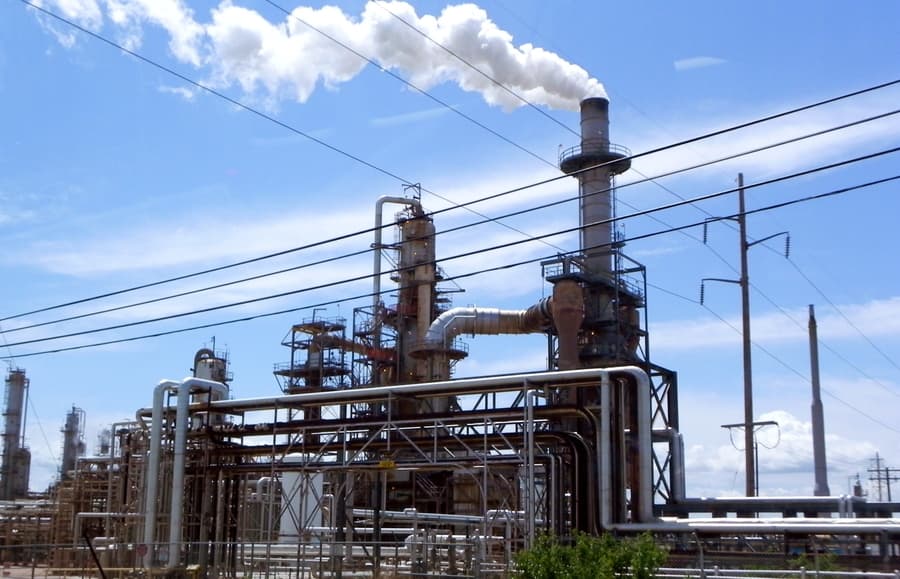
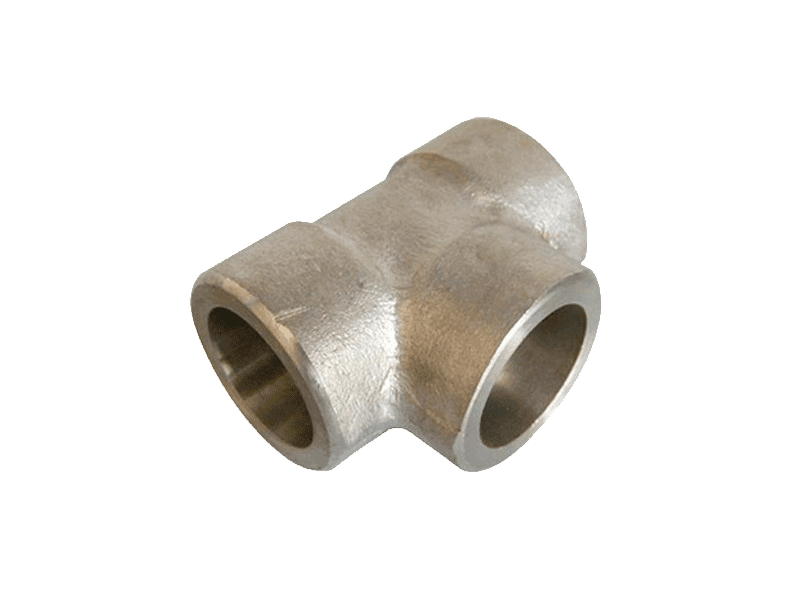
In industrial manufacturing, forged pipe fittings are an indispensable component. They are widely used in various piping systems, such as the petroleum, natural gas, and chemical industries. However, like other products, forged pipe fittings may sometimes experience faults during use. So, how can we effectively handle these common faults? Let's dive in.
1. Common Faults of Forged Pipe Fittings
First, it is crucial to understand the possible faults of forged pipe fittings. Common issues include:
- Leakage: This may be caused by poor sealing of the fitting or material fatigue.
- Corrosion: Prolonged exposure to harsh environments can lead to corrosion of forged pipe fittings.
- Deformation: Thermal stress or excessive pressure may cause the fitting to deform.
- Cracks: Under extreme conditions, forged pipe fittings may develop cracks, affecting their strength and durability.
These problems not only impact production efficiency but may also pose safety hazards.
2. Solving Leakage Problems
When you discover leakage in forged pipe fittings, do not panic. First, check if the sealing ring is intact. If the seal ring is worn, replacing it promptly is a simple but effective solution. If the leakage persists, you may need to perform a pressure test on the pipeline to identify other issues.
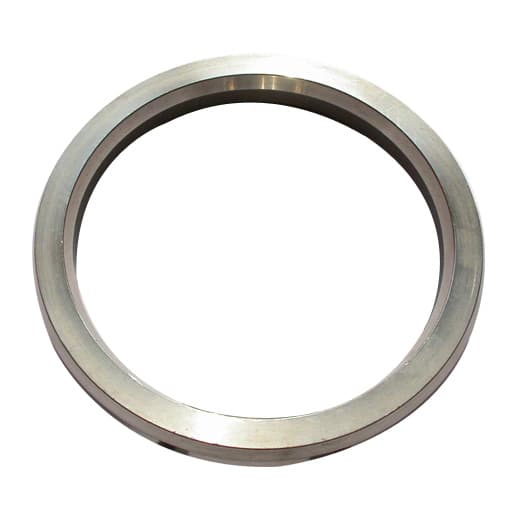
In some cases, using sealant or tape is a temporary fix, but it should not replace more formal repair methods. Imagine it like patching a wall—temporary solutions can cover small holes, but ultimately, a thorough fix is needed.
3. Dealing with Corrosion
Corrosion is a common "enemy" of forged pipe fittings. If you notice rust on the fitting surface, first identify the cause. For example, is it due to chemicals in the environment or improper operation?
One way to handle corrosion is to regularly apply anti-corrosion coatings to protect the fitting surface. If corrosion is severe, replacing the entire fitting may be necessary.
4. Strategies for Deformation
Deformation is usually caused by excessive pressure or drastic temperature changes. In such cases, first evaluate whether the pipeline system design is reasonable. If design issues are found, they must be addressed.
Additionally, avoid continued use of deformed forged pipe fittings if possible. They may be restored to their original shape through heating or mechanical methods, but frequent deformation indicates material fatigue, and replacement may ultimately be required.
5. Identifying and Handling Cracks
Cracks are among the most serious faults of forged pipe fittings. Cracks can reduce overall strength, leading to greater safety risks. Non-destructive testing methods, such as ultrasonic or radiographic inspection, should be used to detect cracks.
If cracks are found, immediately stop using the fitting and assess the damage. Minor cracks can be repaired by welding, but if the cracks are severe, it is advisable to replace the entire fitting.
6. Preventive Measures
While handling faults is important, prevention is even more critical. The following preventive measures can be taken:
- Perform regular maintenance and inspection of fitting working conditions.
- Ensure proper design to avoid overloading.
- Monitor temperature and pressure changes during operation and adjust promptly.
- Use high-quality materials and accessories to reduce the probability of faults.
Handling common faults of forged pipe fittings is not complicated, as long as we take them seriously, detect and solve problems in time. Moreover, effective preventive measures can significantly reduce fault occurrences. Remember, maintaining forged pipe fittings is not only about protecting equipment but also ensuring production safety.
Need a quote for the products mentioned in this article?
Submit your specs and our pressure piping team will respond within one business day.
Send RFQRelated reading
Industry newsHaihao Flange Pipe Fittings: Providing Custom Services for Aerospace, Heavy Industry and Other High-Tech Fields
Haihao Flange Pipe Fittings: Providing Custom Services for Aerospace, Heavy Industry and Other High-Tech Fields. In today's era of rapid high-tech development, the demand for medium and low pressure pipe flanges in aerospace, heavy industry and other high-tech fields is growing.
Industry news