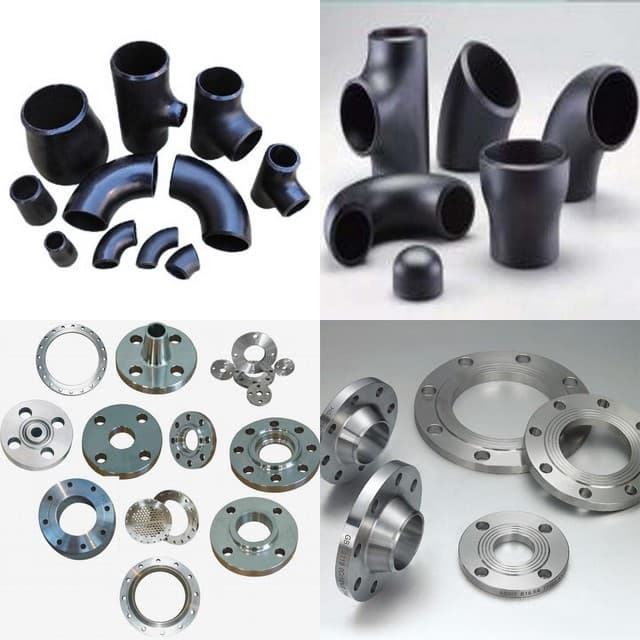
Standard Classification of Butt-Weld Pipe Fittings and Its Significance
In industrial piping systems, butt-weld pipe fittings play a crucial role. Whether in petroleum, natural gas, chemical, or construction fields, butt-weld pipe fittings are widely used. Today, let's discuss the standard classification of butt-weld pipe fittings and their importance.
Definition and Function of Butt-Weld Pipe Fittings
First, let's clarify what butt-weld pipe fittings are. Simply put, they are fittings connected by welding, typically used for connecting, redirecting, or branching pipes. Their main function is to ensure the sealing and stability of the piping system.
Imagine a city's traffic network. Without good connections and turning points, traffic would fall into chaos. Similarly, if the butt-weld pipe fittings in a piping system are not of high quality or standard, the efficiency and safety of the entire system will be affected.
Classification Standards for Butt-Weld Pipe Fittings
The classification standards for butt-weld pipe fittings can be considered from the following aspects:
- Classification by Material
Butt-weld pipe fittings are usually made of carbon steel, stainless steel, alloy steel, etc. Different materials have different characteristics in strength, corrosion resistance, and high-temperature resistance. For example, stainless steel has stronger corrosion resistance and is suitable for use in chemical plants.
- Classification by Shape
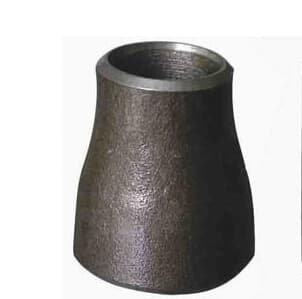
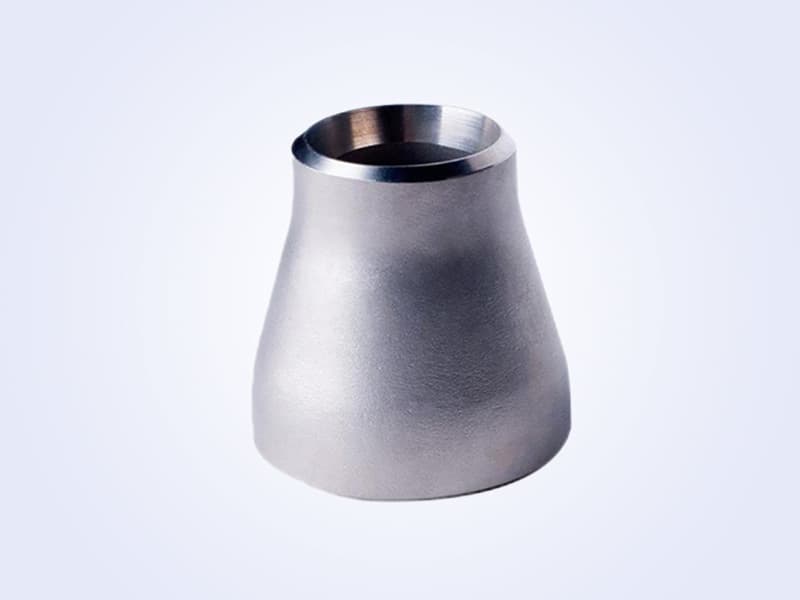
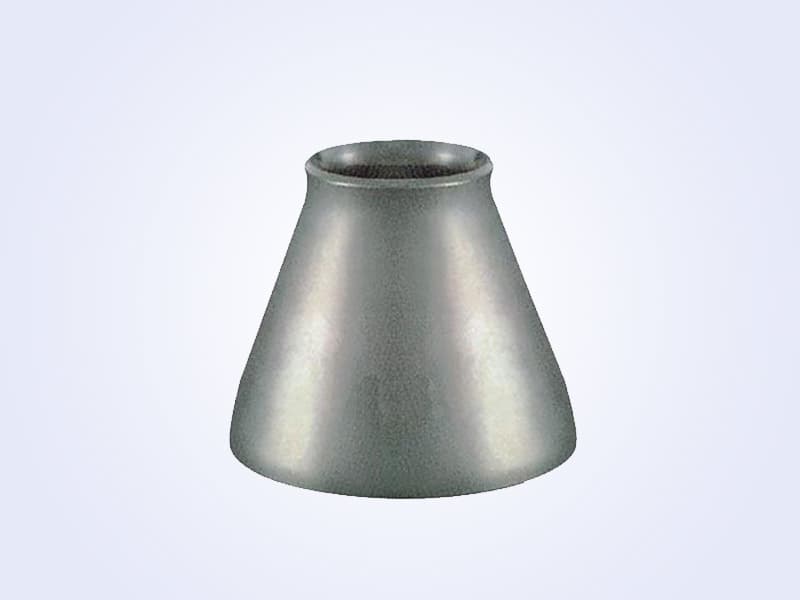
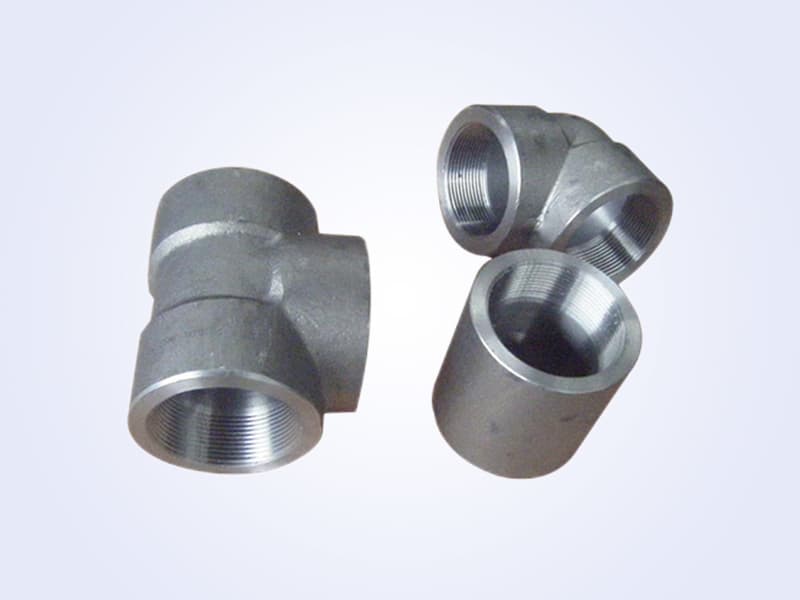
In terms of shape, butt-weld pipe fittings can be divided into elbows, tees, crosses, reducers, etc. You can think of them as different traffic signs, guiding the fluid in the complex piping system.
- Classification by Size
Regarding size, butt-weld pipe fittings are classified into large diameter and small diameter. Large diameter fittings are generally used in large industrial facilities, while small diameter fittings are suitable for smaller piping systems. Choosing the right size directly affects the flow rate and pressure of the system.
- Classification by Connection Type
Apart from butt welding, pipe fittings can also be connected by other methods such as threaded connection and flanged connection. Due to the sealing and strength of welded connections, butt-weld pipe fittings are widely used in high-pressure and high-temperature conditions.
Importance of Standards for Butt-Weld Pipe Fittings
Then
Why do we need standards for butt-weld pipe fittings?
First, standardization ensures the quality of fittings. Whether in production, transportation, or actual application, following standards can effectively reduce the occurrence of accidents.
Additionally, standardization helps improve the overall efficiency of the industry. Imagine if every manufacturer produced fittings arbitrarily; it would be a nightmare during pipeline maintenance or replacement. Therefore, unified standards are like a clear set of rules, making the entire industry operate more smoothly.
Future Development Trends
With the continuous advancement of technology, the production processes and materials of butt-weld pipe fittings are constantly being updated. In the future, we may see more environmentally friendly and sustainable materials used in the production of butt-weld pipe fittings. Moreover, the introduction of digital technology will make production processes more precise, reducing resource waste.
Conclusion
Butt-weld pipe fittings are indispensable in modern industry. Their standard classification is not only related to product quality but also affects the safety and efficiency of the entire piping system. Choosing appropriate butt-weld pipe fittings and following corresponding standards are essential to ensure efficient and stable operation of our industrial systems.
When selecting butt-weld pipe fittings, have you ever thought about the significant meaning behind these standards? Just like choosing a safe road for travel in daily life, choosing the right butt-weld pipe fittings is equally important. I hope this article helps you gain a deeper understanding of the classification and importance of butt-weld pipe fittings.
Need a quote for the products mentioned in this article?
Submit your specs and our pressure piping team will respond within one business day.
Send RFQRelated reading
 Industry news
Manatee Gas FID in Trinidad and Tobago: A Source-Checked LNG Feedgas Update
Shell's July 2024 FID for the Manatee gas development in Trinidad and Tobago signals continued investment in LNG feedgas. This update outlines what is verified, what remains to be checked, and how EPC buyers can align procurement with evolving project timelines.
 Industry news