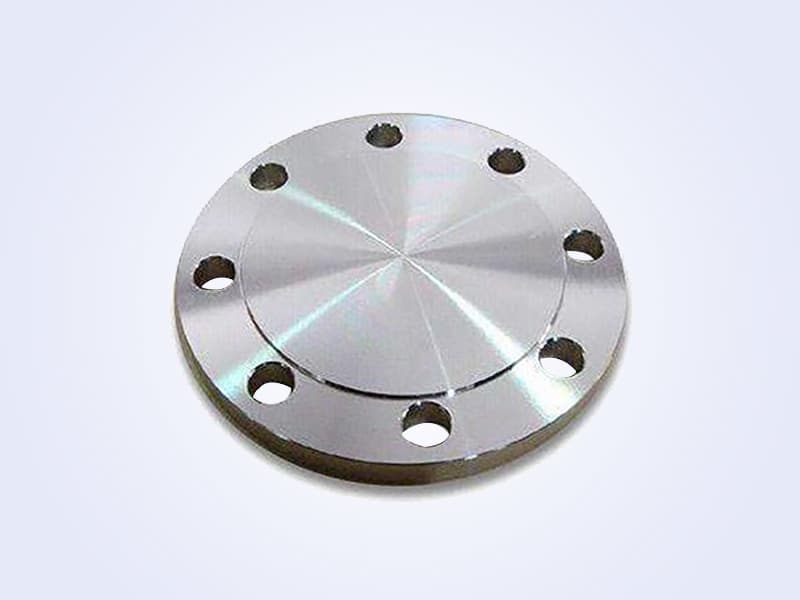
In any pipeline system, safety is the top concern of every engineer and operator. Among the many factors that affect pipeline safety, the figure-8 blind plate plays a crucial role. You might ask: what exactly is a figure-8 blind plate, and how does it affect pipeline safety? Let's take a closer look.
What is a Figure-8 Blind Plate?
A figure-8 blind plate (also called a spectacle blind) is a positive isolation device used in piping systems. Its outline resembles the digit "8" — one disk is solid (blind) and the other is open (spacer ring), connected by a small web. The assembly is bolted between two flanges and rotated to either block flow or allow flow, depending on which half is in line.
The purpose of the device is to provide a mechanical, visible, and tamper-evident isolation of a pipeline section during inspection, maintenance, or shutdown — far more reliable than closing a valve alone.
Safety Impact in Operation
The primary function of a figure-8 blind in a working pipeline is to guarantee positive isolation while a downstream section is opened up for service. When a maintenance crew needs to break flange joints, replace a strainer, or inspect a vessel, the figure-8 blind ensures that:
- No process fluid can leak through, even if an upstream isolation valve is leaking by
- Pressure surges in the upstream section cannot reach the work zone
- Visual confirmation (which half is installed) leaves no doubt about the isolation status
Without this device, a worker on a flange joint downstream is at the mercy of valve seat integrity — much like a worker at height with no safety line.
However, the safety benefit only holds if the blind is installed correctly. An incorrect installation, a missing gasket, or skipped inspection can lead to leakage or a sudden pipe rupture when pressure is reapplied.
Selecting the Right Figure-8 Blind
The market offers figure-8 blinds in many sizes and materials. Selecting the correct one requires considering:
- Working pressure and temperature of the line
- Properties of the fluid — corrosivity, toxicity, abrasiveness
- Flange standard and rating (ASME B16.5, B16.47, EN 1092 etc.)
- Industry-specific requirements (e.g. NACE MR0175 for sour service, sanitary finish for food/pharma)
For example, in oil & gas service the fluid is often highly corrosive, so a corrosion-resistant material (316L SS, duplex, or higher) is required. In food and beverage applications, the blind must meet hygienic standards and provide a smooth, crevice-free finish to prevent product contamination. The right choice not only improves safety but extends the service life of the entire piping system.
Maintenance and Inspection
Installation alone is not enough — figure-8 blinds need regular maintenance and inspection to remain reliable. Typical inspection items include:
- Sealing integrity: check gasket condition and bolt torque on every reinstallation
- Surface cleanliness: keep flange faces and the blind body free of debris that can affect sealing
- Position verification: confirm visually that the correct half (blind or spacer) is in line for the current operating mode
- Documentation: log every inspection result for traceability and trend analysis
Conclusion
The safety contribution of figure-8 blind plates in piping systems should not be underestimated. They provide positive, visible isolation that protects maintenance crews and prevents accidental release of process fluid. With the right material selection, correct installation, and disciplined inspection routine, figure-8 blinds significantly raise the overall safety level of the pipeline system.
Need a quote for the products mentioned in this article?
Submit your specs and our pressure piping team will respond within one business day.
Send RFQRelated reading
 Industry news
Manatee Gas FID in Trinidad and Tobago: A Source-Checked LNG Feedgas Update
Shell's July 2024 FID for the Manatee gas development in Trinidad and Tobago signals continued investment in LNG feedgas. This update outlines what is verified, what remains to be checked, and how EPC buyers can align procurement with evolving project timelines.
 Industry news