Forged pipe fittings are an indispensable and important part of industrial pipeline systems. With their excellent performance and wide application, they play a key role in many fields.
Forged pipe fittings are pipe fittings manufactured by forging process. Forging is a processing method that uses forging machinery to apply pressure to metal blanks, causing plastic deformation to obtain forgings with certain mechanical properties, shapes, and sizes. This process gives forged pipe fittings a dense structure, thus providing high strength and toughness. Compared with cast pipe fittings, forged pipe fittings have fewer internal defects and can withstand higher pressure and more severe working environments.
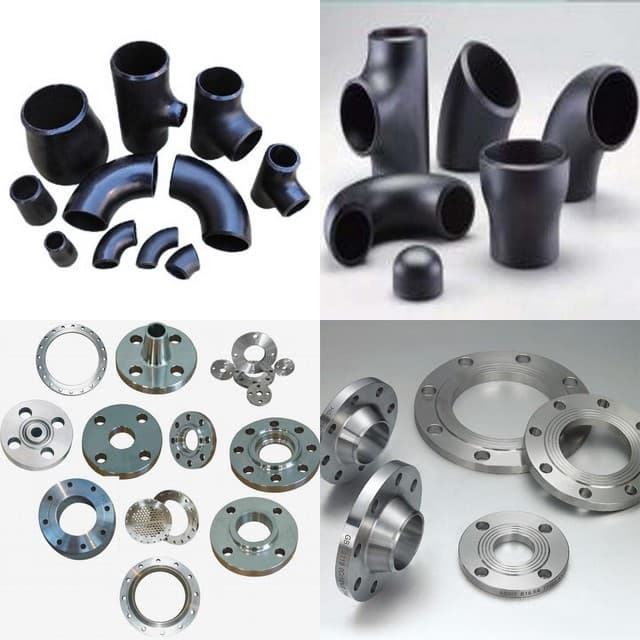
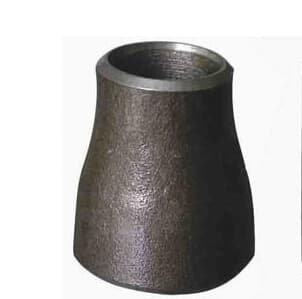
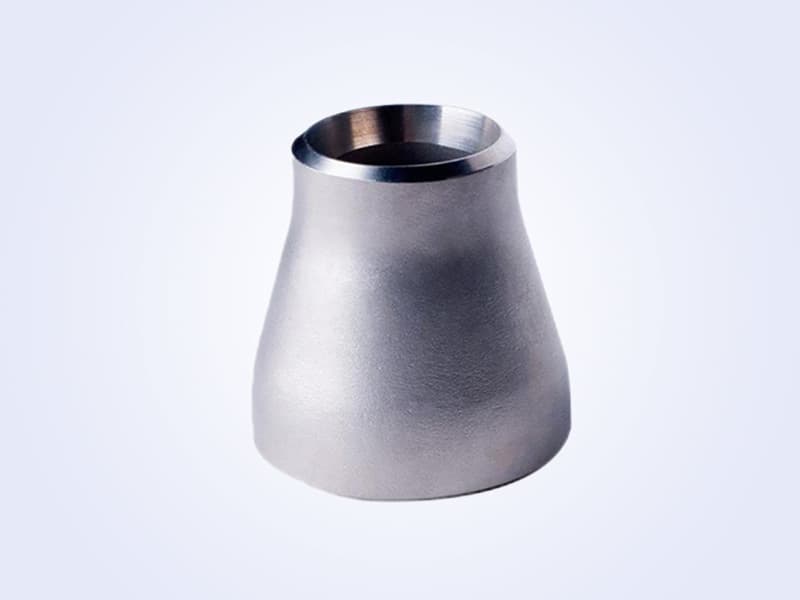
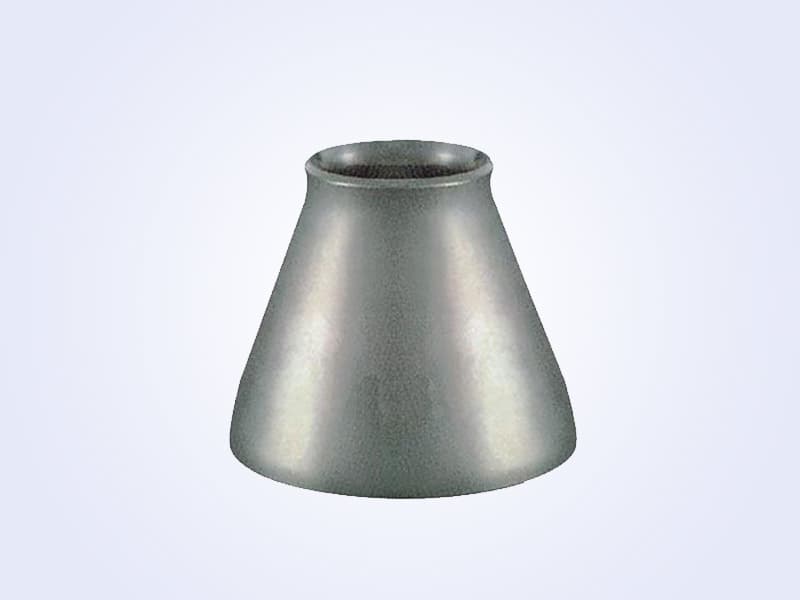
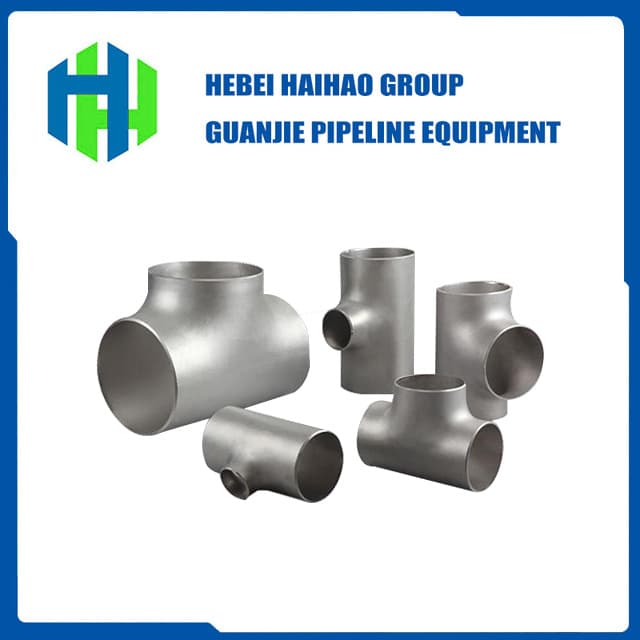
There are various types of forged pipe fittings, common ones include elbows, tees, crosses, reducers, etc. Elbows are used to change the direction of the pipeline, allowing the pipeline to adapt to different layouts and installation requirements; tees and crosses are used for branching and connecting pipelines to achieve fluid diversion and confluence; reducers are used to connect pipes of different diameters to ensure smooth fluid flow.
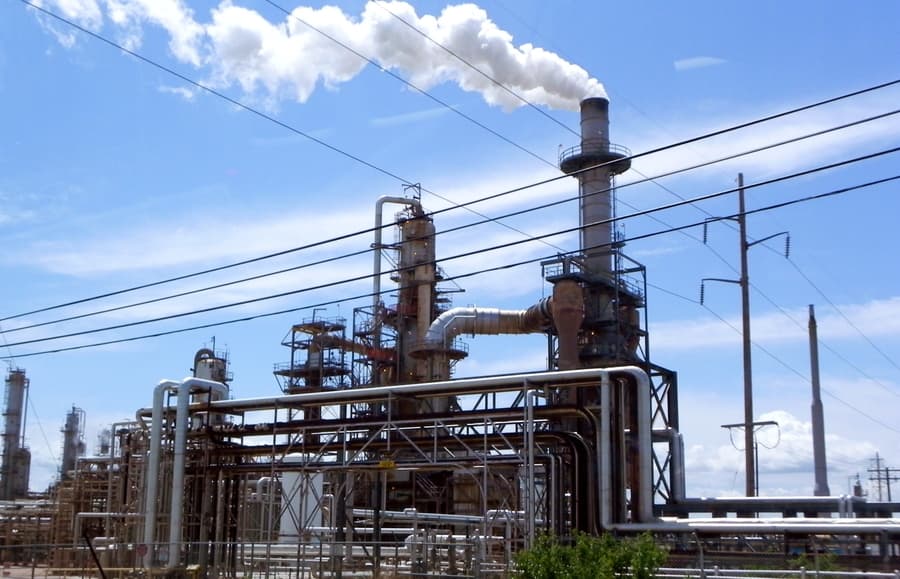
In the petrochemical field, forged pipe fittings are widely used in various pipeline systems. Petroleum and chemical production processes involve a large amount of high temperature, high pressure, and corrosive media. The high strength and corrosion resistance of forged pipe fittings ensure the safe operation of pipeline systems, preventing leaks and accidents. In the power industry, especially thermal power and nuclear power, forged pipe fittings are used to transport steam, water, and other media. Their excellent mechanical properties can withstand high temperature and pressure, ensuring stable power generation.
The construction industry is also an important application area for forged pipe fittings. In building water supply and drainage systems, fire protection systems, etc., forged pipe fittings are used to connect various pipes, ensuring smooth and safe water flow. Their reliable connection performance and durability meet the long-term use requirements of construction projects.
However, the production of forged pipe fittings also faces some challenges. The forging process requires specialized equipment and technical personnel, and the production process is relatively complex and costly. At the same time, the quality requirements for raw materials are also stringent to ensure that the performance of the fittings meets standards.