DISCLAIMER: This is an industry reference article based on publicly available reporting. Hebei Haihao makes no claim of supply, EPC participation, or commercial relationship with any company or contractor named in this article. All information is sourced from public news, corporate releases, and industry publications.
1. Project Background
The Tangguh LNG facility, located in Teluk Bintuni Regency in Indonesia's Papua Barat Province, is operated by BP Berau Ltd on behalf of the Tangguh production sharing contract partners as contractor to SKK Migas. The Tangguh LNG Train 3 expansion was the largest single addition to Indonesian LNG capacity in the past decade.
According to public reporting, BP shipped its first cargo from Tangguh's expanded LNG facility in October 2023 after the new third liquefaction train was loaded out and dispatched to Indonesia's state-owned power utility PT PLN (Persero). The expansion added 3.8 million tonnes per annum of LNG production capacity to the existing two-train facility, bringing total Tangguh plant capacity to 11.4 mtpa. The project's reported total cost was approximately USD 8 billion.
For international procurement engineers, the Indonesia Tangguh Train 3 LNG expansion is a recent, well-documented reference for how a single LNG operator manages a brownfield third-train addition with significant offshore platform and pipeline scope.
2. Scale by the Numbers
| Parameter | Value | Source year |
|---|---|---|
| Train 3 added capacity | 3.8 mtpa | 2023 |
| Total Tangguh plant capacity post-expansion | 11.4 mtpa | 2023 |
| Project total cost | ~USD 8 billion | 2023 |
| New offshore platforms | 2 | 2023 |
| New production wells | 13 | 2023 |
| Expanded loading facility / new LNG jetty | Yes | 2023 |
| First cargo shipped | October 2023 | 2023 |
3. Contractor Map
The Tangguh Train 3 expansion was executed under multi-contractor EPC arrangements. According to publicly available project pages from Saipem and Chiyoda, both companies were involved in the BP LNG Tangguh Expansion Project Train 3 scope, alongside other regional EPC partners. Onshore FEED contracts for the expansion were awarded by BP and have been publicly disclosed by the operator.
For an integrated LNG expansion of this size, EPC contractors typically run their own approved vendor lists for piping bulk materials, with operator (BP) overlay specifications applied throughout.
4. Typical Materials & Standards Profile
A brownfield LNG train addition of the Tangguh class typically requires a piping material spec that includes:
- Cryogenic piping in austenitic stainless (A312 TP304L/TP316L) and 9% nickel steel (A333 Gr 8) for LNG cold service.
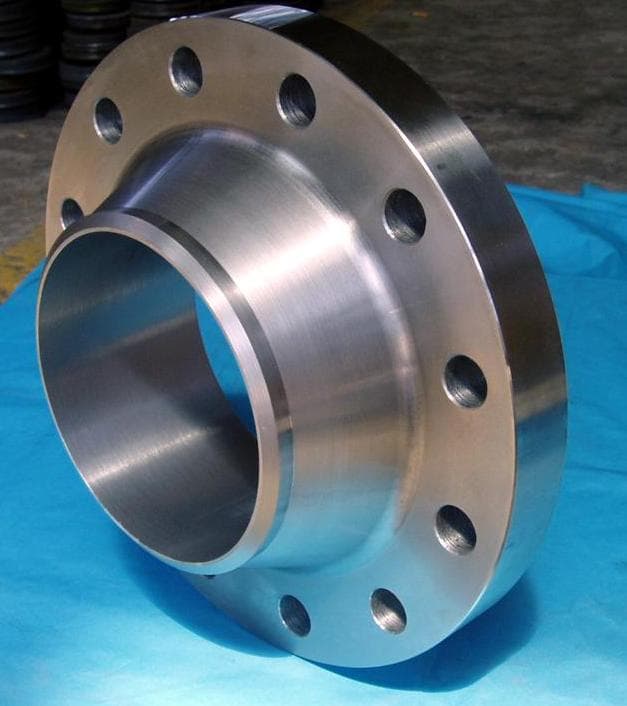
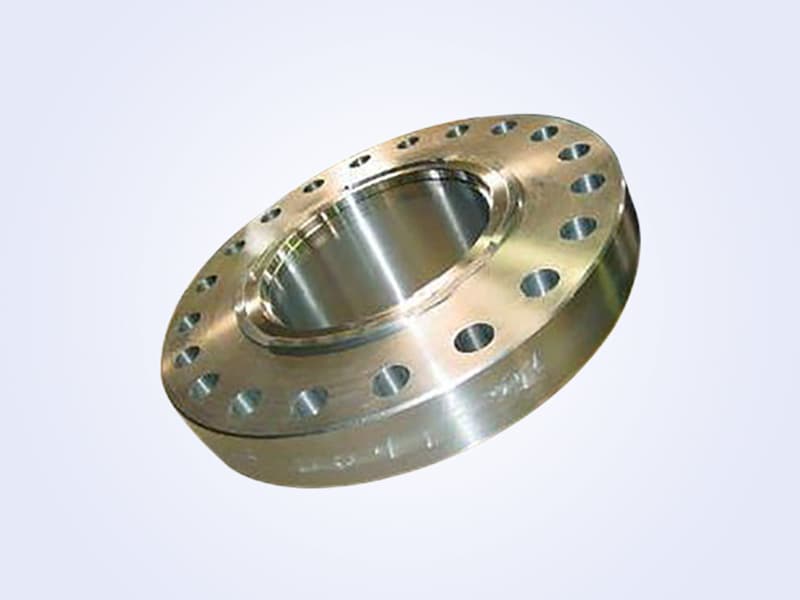
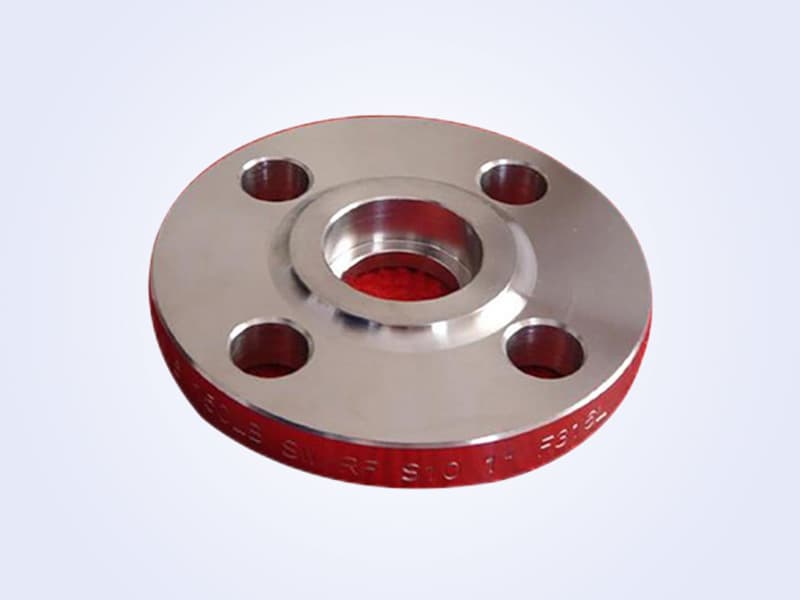
- ASME B16.5 / B16.47 forged flanges in A105N, A350 LF2, A350 LF3 and A182 stainless grades depending on service temperature.
- ASME B16.9 butt-welding fittings in matching grades, plus MSS SP-75 high-test fittings on the feed gas inlet pipeline.
- ASME B16.49 induction bends for feed gas pipeline scope, BOG circuits and refrigerant lines.
- Offshore platform structural piping per relevant API and class society standards, with full Charpy V-notch impact testing where minimum design temperature requires.
For benchmarking, reference product families are listed under seamless butt-welding pipe fittings, forged flanges and non-standard forgings and hot induction pipe bends.
5. Procurement Lessons for International Buyers
First, brownfield LNG expansions inherit much of the original train's material spec, which favors suppliers that have already worked on prior phases. Second, Indonesia's local content rules (TKDN) shape EPC contractor sourcing decisions; suppliers must understand both BP's global AVL and the Indonesian local content overlay. Third, an offshore-platform plus onshore-train structure means several distinct material packages (subsea pipeline, platform topsides, onshore train, jetty) move on different schedules, so suppliers need to coordinate across multiple EPC interfaces.
Procurement teams shaping similar Indonesia LNG packages can engage via the inquiry portal.
6. Reference Takeaway
The Indonesia Tangguh Train 3 LNG expansion is the most current, well-documented Indonesian LNG mega-project of this decade. With 3.8 mtpa added, total plant capacity now at 11.4 mtpa, and first cargo achieved in October 2023, the Tangguh Train 3 LNG expansion is a useful reference for international procurement engineers planning their next Indonesia or wider Asia-Pacific LNG sourcing wave.
Sources
- https://www.bp.com/en/global/corporate/news-and-insights/press-releases/bp-ships-first-cargo-from-indonesias-expanded-tangguh-lng-facility.html
- https://www.offshore-technology.com/projects/tangguh-expansion-project-papua-barat/
- https://www.chiyodacorp.com/en/projects/tangguh-lng.html
- https://www.saipem.com/en/projects/bp-lng-tangguh-expansion-project-train-3
- https://www.gem.wiki/Tangguh_LNG_Terminal
Hebei Haihao does not claim involvement in this project.
Need a quote for the products mentioned in this article?
Submit your specs and our pressure piping team will respond within one business day.
Send RFQRelated reading
 Case studies
Payara and the Prosperity FPSO: A Guyana Offshore Piping Reference
ExxonMobil's Payara development and the Prosperity FPSO mark a major milestone in Guyana's offshore oil production. This case study reviews the project's public facts and outlines what piping procurement professionals should verify when referencing such projects.
 Case studies