Introduction
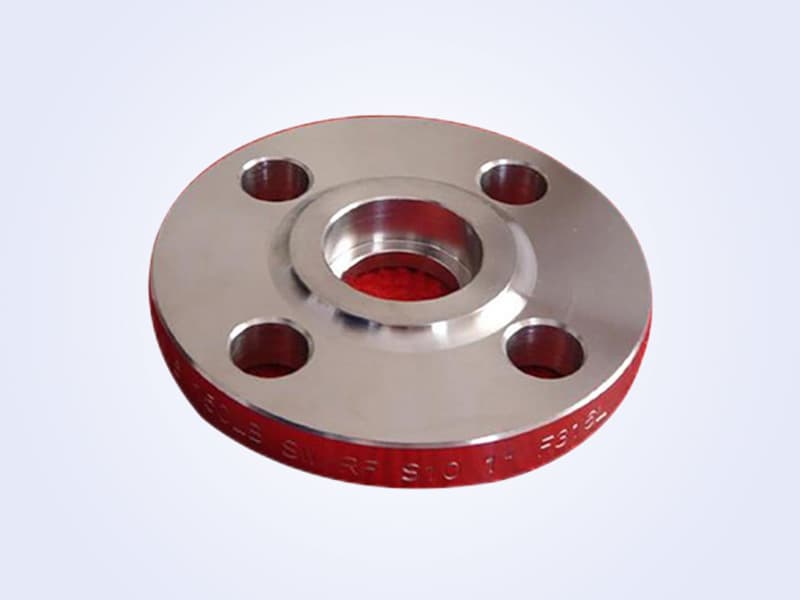
Aerospace applications demand extreme reliability. Flanges used in fuel systems, hydraulic lines, and propulsion test stands must withstand high pressures, temperature swings, and vibration without failure. For procurement engineers, specifying the correct aerospace-grade flange is not just about dimensions—it’s about ensuring traceability, material integrity, and compliance with industry standards.
This guide provides a practical checklist for sourcing flanges for aerospace use, from standards and materials to inspection requirements and RFQ best practices.
Key Standards to Confirm
Before issuing an RFQ, verify that the flange design follows an accepted standard. The most common for aerospace are:
- ASME B16.5 – Covers pipe flanges and flanged fittings for nominal pipe sizes NPS ½ through NPS 24, with pressure classes 150 to 2500.
- ASME B16.47 – Larger flanges (NPS 26 through 60) used in ground support equipment.
- SAE AS series – For specialty aerospace flanges, such as AS4395 (O-ring face seal flanges) or AS5202 (port connections).
| Standard | Typical Usage | Pressure Rating |
|---|---|---|
| ASME B16.5 | General piping, moderate pressure | 150–2500 psi |
| ASME B16.47 | Large-diameter ducting, ground support | 150–900 psi |
| SAE ASxxxx | Propulsion, fuel systems | Up to 3000+ psi |
Always request the exact standard and revision (e.g., ASME B16.5-2020) to avoid confusion.
Material Selection for Aerospace Flanges
Materials must meet stringent chemical and mechanical requirements. Common choices include:
- 304/304L Stainless Steel – Good corrosion resistance, moderate strength. Used in non-critical fuel lines.
- 316/316L Stainless Steel – Better resistance to chlorides and acids; preferred for hydraulic systems.
- Alloy 718 (Inconel 718) – High strength and oxidation resistance at cryogenic to elevated temperatures. Common in propulsion.
- Titanium (Grade 5 / Ti-6Al-4V) – Lightweight, high strength, excellent corrosion resistance. Used in airframe and engine applications.
- Aluminum (6061-T6) – Low weight, moderate strength; often in non-pressurized ducting.
Supplier Action: The manufacturer must provide a Material Test Report (MTR) certifying the heat number, chemical composition, and mechanical properties. For critical aerospace applications, third-party verification may be required.
Inspection Documents and Quality Risks
Aerospace flanges require rigorous documentation. Insist on the following:
- Material Certificate (EN 10204 3.1 / 3.2 or equivalent) – Shows traceability from mill to finished part.
- Dimensional Inspection Report – Confirms critical dimensions: OD, bolt circle, hub length, face flatness.
- Non-Destructive Examination (NDE) – Ultrasonic testing (UT) for volumetric soundness, liquid penetrant (PT) or magnetic particle (MT) for surface cracks.
- Heat Treatment Certificates – For alloy steels or nickel-based alloys, confirm solution annealing or aging cycles.
- Hardness Test Report – Ensures material is within specified range (e.g., 22–32 HRC for 4130).
Quality Risks to Watch For:
- Substitution of lower-grade material (e.g., 304 instead of 316).
- Off-specification hardness causing stress corrosion cracking.
- Surface defects like pitting, scratches, or tool marks that can initiate fatigue cracks.
- Incorrect gasket seating surface finish (too rough leads to leaks).
RFQ Checklist: What to Send Before Quotation
To get accurate bids, include the following in your request for quotation:
- Flange Standard & Pressure Class – e.g., ASME B16.5 Class 600.
- Nominal Pipe Size (NPS) – e.g., NPS 4, schedule 40.
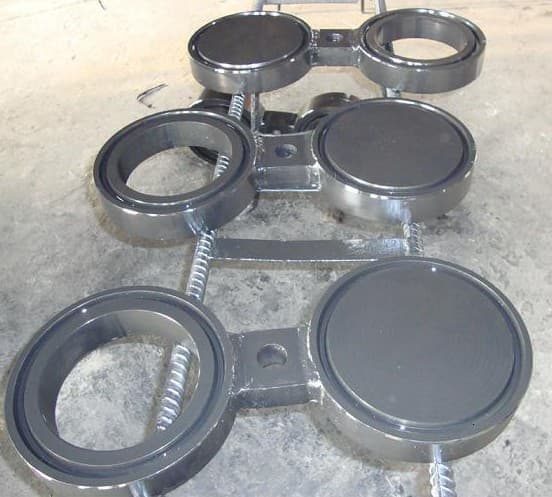
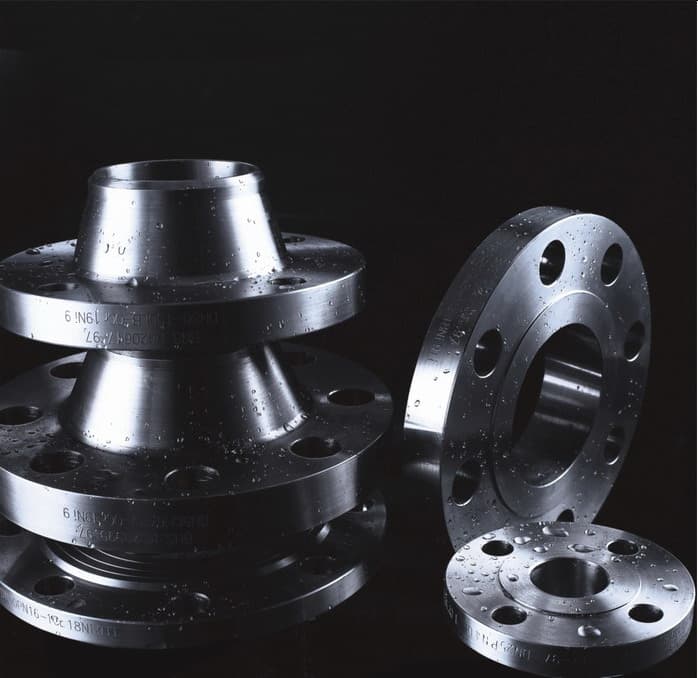
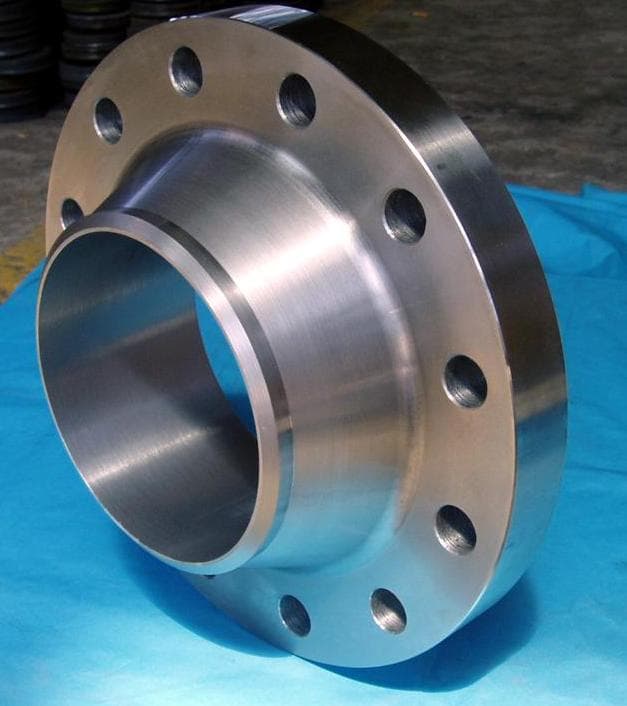
- Flange Type – Slip-on, weld neck, blind, or lap joint.
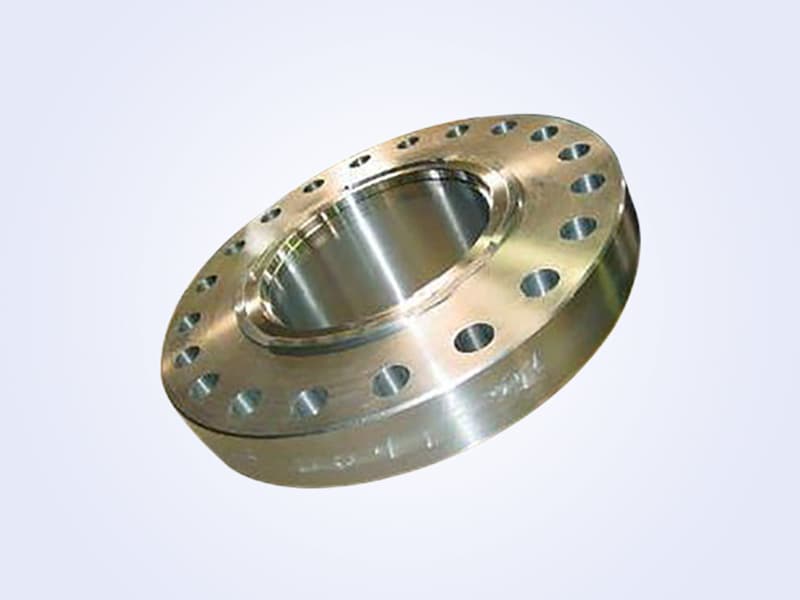
- Facing Type – Raised face (RF), flat face (FF), ring joint (RTJ), or specific aerospace profile.
- Material Specification – ASTM A182 F316L, AMS 5662 (Inconel 718), etc.
- Quantity and Delivery Requirement – Include needed date and possible partial shipments.
- Special Tests – Any additional NDE or PMI (positive material identification) required.
- Accreditation – ISO 9001:2015 minimum; AS9100D preferred for aerospace.
Making the Right Choice
Partnering with a manufacturer that has experience in high-reliability industries can reduce procurement risk. A competent supplier will offer full traceability, third-party certifications, and rapid response to technical queries.
When reviewing bids, compare not just price but also lead time, inspection package, and willingness to perform custom tests. A slightly higher upfront cost often saves money by preventing mission-critical failures.
Conclusion
Procuring aerospace-grade flanges requires attention to detail from specification through delivery. By referencing established standards, insisting on correct materials, and demanding complete documentation, you ensure that flanges meet the harsh demands of space and flight applications.
How Hebei Haihao Group Can Help
Hebei Haihao Group manufactures flanges, fittings, and piping packages for demanding industries, including aerospace ground support and propulsion testing. Our production follows ASTM/ASME standards, and we provide full material certification and NDE reports upon request. Please contact us with your RFQ for a prompt quotation with traceable documentation.
Need a quote for the products mentioned in this article?
Submit your specs and our pressure piping team will respond within one business day.
Send RFQRelated reading
Procurement Guide: How to Specify Forged Pipe Fittings and Flanges for Medium and Low Pressure Applications
A practical guide for procurement engineers on specifying forged pipe fittings and flanges, including material selection, standards, inspection documents, and RFQ best practices.