Introduction
ASME PCC-1, "Pressure Boundary Bolted Flange Joint Assembly," is the key standard for ensuring leak-tight performance of bolted flange joints in pressure-boundary applications. For buyers and engineers, understanding this standard is essential for specifying, procuring, and inspecting assembly services. This guide provides a checklist based on verified facts from the standard's official description, helping you ask the right questions and avoid common pitfalls.
Scope of ASME PCC-1
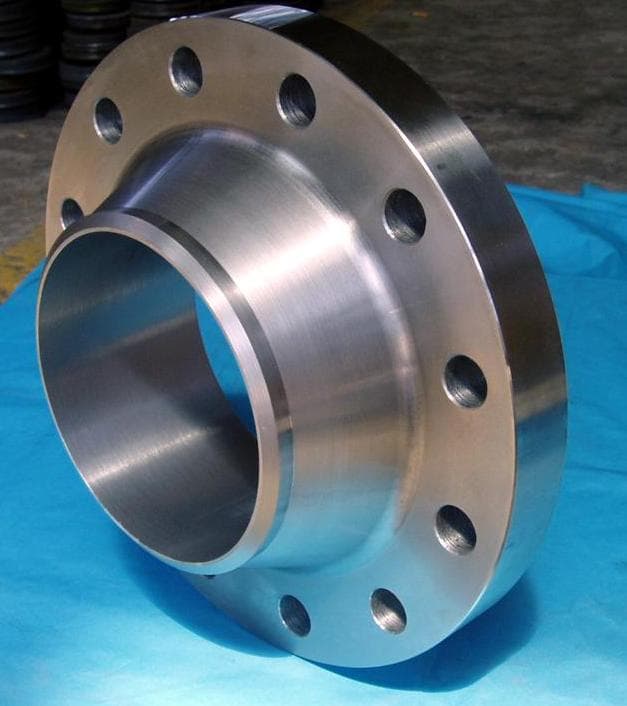
ASME PCC-1 applies to pressure-boundary flanged joints that use ring-type gaskets entirely within the bolt-hole circle, with no contact outside that circle. This covers most standard flanged connections in piping and pressure vessels. The standard provides guidelines for developing service-specific assembly procedures, covering the broad range of sizes and service conditions encountered in industry. It also includes troubleshooting guidance for joints that are not leak-tight (Appendix P).
Why Buyers Should Care
Even if you are not the assembler, you are responsible for ensuring that the assembly work meets the required quality. A poorly assembled flange joint can lead to leaks, downtime, and safety hazards. By using ASME PCC-1 as a reference, you can specify requirements, evaluate contractor capabilities, and verify that the assembly process is controlled and documented.