Why this matters
When a vendor returns a wall-thickness calculation that looks suspiciously light, the most useful single check a buyer can do is open ASME Section II Part D and read the allowable stress directly. Part D is the materials reference that backs ASME B31.1, B31.3, Section I, Section III and Section VIII Division 1. Knowing how to look up a value in 60 seconds is one of the quickest ways for a procurement engineer to add value during bid evaluation.
Scope comparison
| Aspect | ASME II Part D coverage |
|---|---|
| Section II of BPVC | Materials |
| Part D | Properties (Customary and Metric editions) |
| Tables 1A | Allowable stress for ferrous materials (used by Sections I, III, VIII-1, XII) |
| Table 1B | Allowable stress for non-ferrous materials |
| Table 3 | Allowable stress for bolting materials |
| Tables 2A/2B/4 | Maximum allowable design stress intensity values (used by Sections III and VIII-2) |
| Other tables | Yield strength, tensile strength, modulus of elasticity, mean coefficient of thermal expansion |
How allowable stress is derived
For ferrous and non-ferrous materials in Tables 1A and 1B, the allowable stress at a given temperature is the lower of:
- 1/3.5 of specified minimum tensile strength at room temperature, and the same fraction of tensile strength at temperature multiplied by an adjustment factor;
- 2/3 of specified minimum yield strength at room temperature, and the corresponding value at temperature;
- creep-rupture-based criteria at elevated temperature.
The smallest of these governs the published allowable stress at each temperature increment. This 3.5 ratio on UTS reflects the post-1998 update to Section VIII Division 1; older editions used 4. Always reference the edition required by the project.
Material form matters
A single grade like 316 stainless can appear in Part D as multiple line entries: A312 TP316L for pipe, A182 F316L for forging, A240 316L for plate, A276 for bar. The allowable stress is not necessarily identical across forms at the same temperature, because minimum yield/UTS and process history differ. Always pull the line entry that matches your component spec.
When to use Part D directly
- Bid evaluation: verify the vendor used the right line entry, the right edition and the right design temperature.
- Wall thickness sanity check: plug the published allowable stress into the B31.3 hoop-stress formula and compare against the vendor's calculated wall.
- Substitution requests: if the vendor proposes a substitute material, look up Part D allowable for both at design temperature.
- High-temperature service: confirm the design temperature does not exceed the highest tabulated temperature for the chosen material.
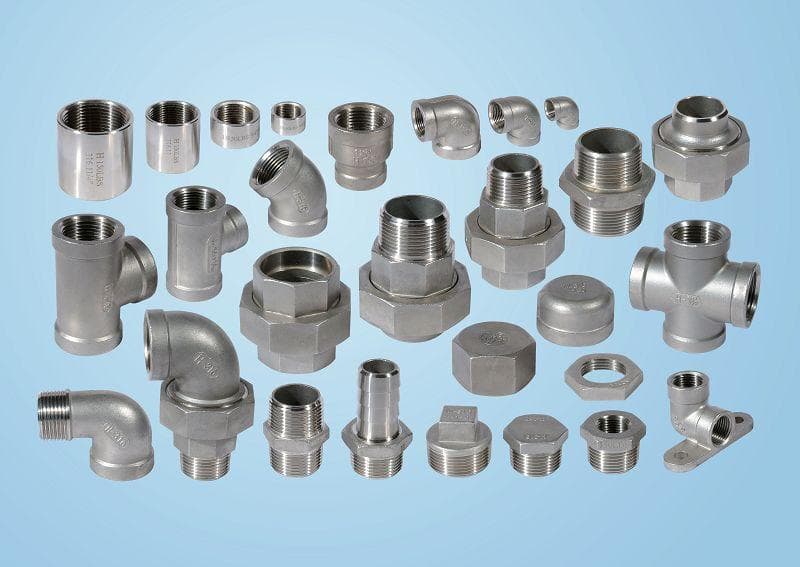
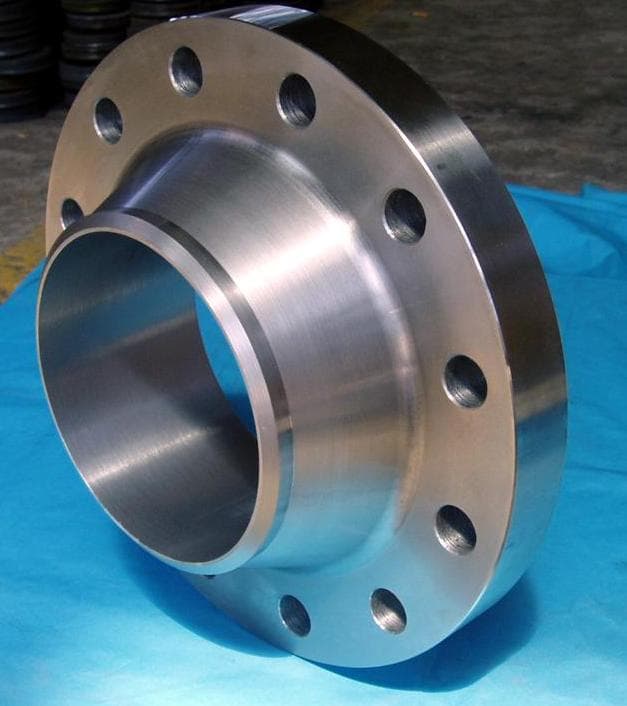
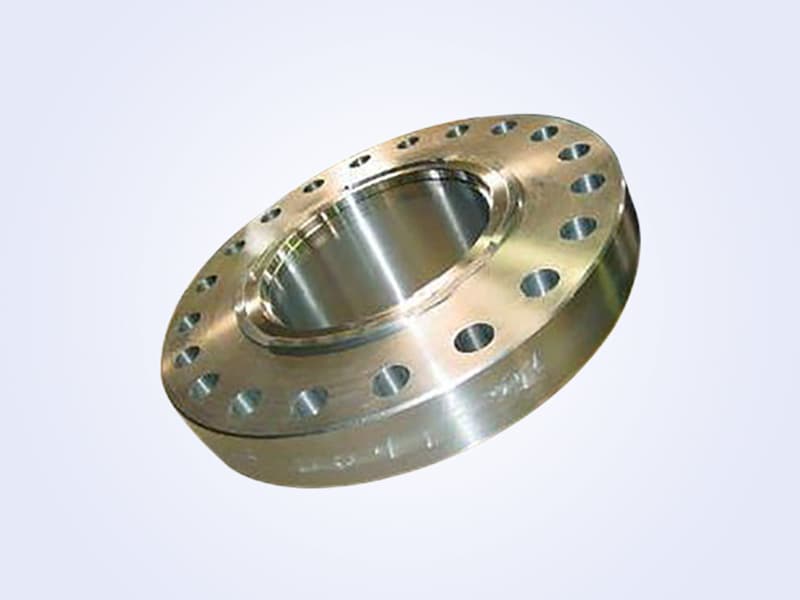
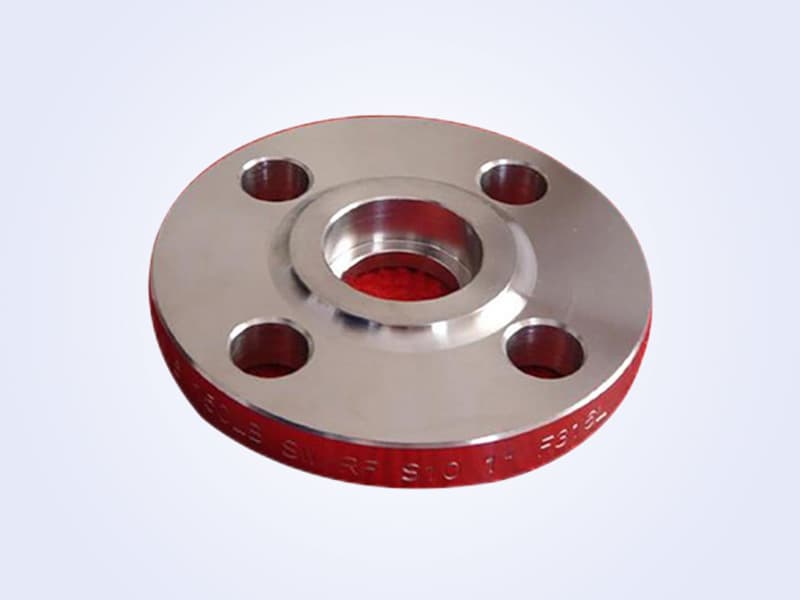
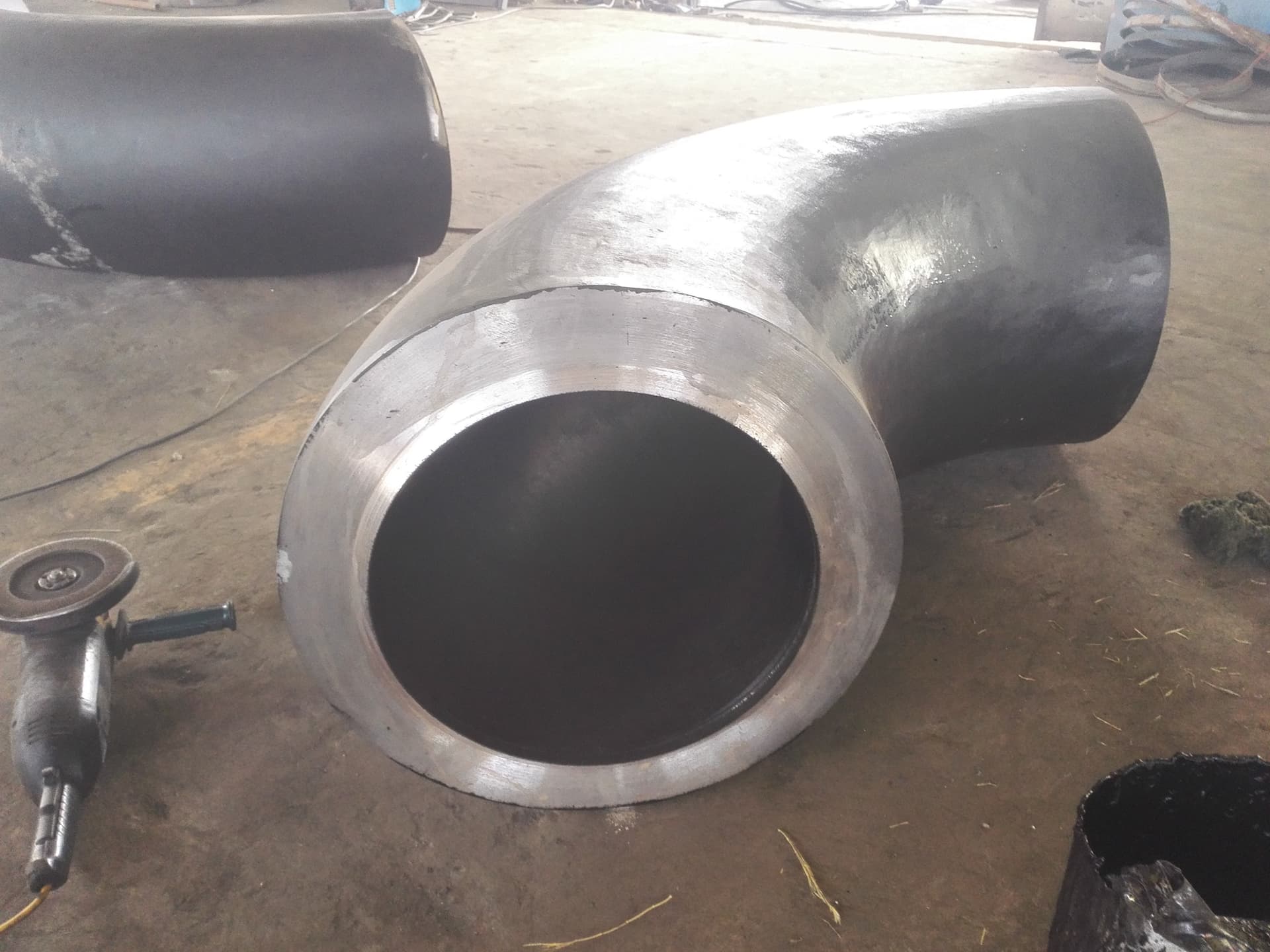
We size seamless steel pipes, butt-welding pipe fittings and forged flanges using Part D allowable stresses; copies of supporting documentation are available with each MTR.
Procurement / spec checklist
- Identify the design code (B31.1, B31.3, Section VIII-1, etc) and the edition of Part D it references.
- Identify the exact ASME material specification on the data sheet (e.g. SA-106 Grade B, SA-182 F316L).
- Find the corresponding line entry in Table 1A or 1B and read off the allowable stress at the design temperature; interpolate linearly between tabulated values if needed.
- Verify the value against the vendor's wall thickness calculation.
- For bolting, use Table 3 (different allowable basis from pipe and forging).
- Confirm the design temperature is below the upper limit of the published table for that material; above that limit, the material is no longer code-acceptable.
- Reference the latest published edition of ASME II Part D unless the project locks an older edition.
Need Part D values cross-checked against your data sheet? Send the line list via our inquiry page; see also our certificates page.
Sources
- https://www.asme.org/codes-standards/find-codes-standards/bpvc-iid-bpvc-section-ii-materials-part-d-properties
- https://materialwelding.com/asme-section-ii-part-d-guide-to-allowable-stress-tables/
- https://www.pipingguide.net/2013/04/asme-section-ii-materials.html
- https://wardvesselandexchanger.com/allowable-stress/
Need a quote for the products mentioned in this article?
Submit your specs and our pressure piping team will respond within one business day.
Send RFQRelated reading
StandardsASTM A106 vs A53 Carbon Steel Pipe Seamless vs Welded Guide
ASTM A106 vs A53 carbon steel pipe explained for buyers: seamless vs welded manufacturing, silicon content, service limits and decision guide.
Standards