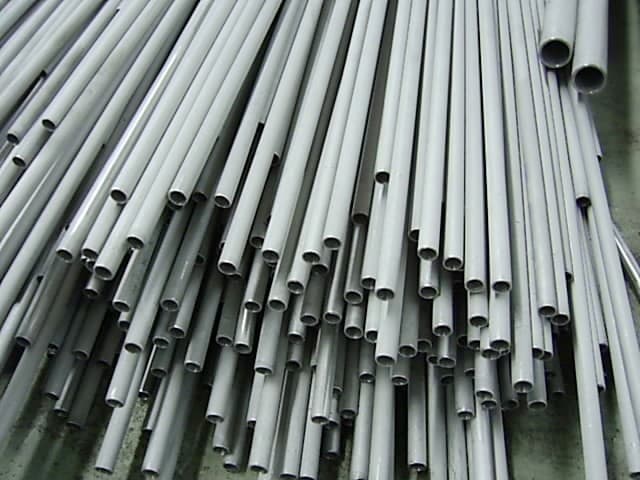
Why this matters
For carbon steel piping, the most common procurement question is "can we substitute A53 for A106?". On a low-pressure utility line, often yes. On a high-temperature steam header, absolutely not. The difference between ASTM A106 vs A53 is rooted in chemistry, manufacturing route and intended service. This guide explains how a buyer should choose between them.
Scope comparison
| Aspect | ASTM A106 | ASTM A53 |
|---|---|---|
| Manufacturing | Seamless only | Seamless or welded (Type E ERW or Type S seamless or Type F furnace-butt-welded) |
| Intended service | High-temperature, high-pressure service (typical for power and refinery process piping) | General service: water, air, steam, oil at low to medium pressure; also structural |
| Common grades | Grade A, B, C | Type F, Grade A; Type E and S in Grade A and Grade B |
| Chemistry highlight | Silicon minimum 0.10 percent (acts as deoxidiser, improves heat resistance) | No silicon minimum specified in the same way as A106 |
| Carbon (Grade B max) | 0.30 percent | 0.30 percent (Grade B) |
| Coating | Bare | Grade A and B can be supplied black or galvanised |
| Marking | Manufacturer, ASTM A106, grade, size, schedule, heat number | Manufacturer, ASTM A53, type, grade, size, schedule, heat number |
Key differences
- Manufacturing route: A106 is always seamless. A53 may be seamless OR welded.
- Chemistry: The mandatory silicon in A106 is what makes it suitable for elevated-temperature service.
- Application focus: A106 is the default for ASME B31.1 power piping and B31.3 process piping above 400 degrees F. A53 is the default for utility air, water, low-pressure steam and structural piping.
- Substitution: Most buyers' practice is that A106 Grade B can substitute for A53 Grade B seamless, but A53 cannot substitute for A106 in elevated-temperature service.
- Galvanising: A53 is commonly available galvanised; A106 is not normally galvanised.
When to choose which
- Power station boiler external piping, refinery hot oil, steam, hydrocarbon process under B31.3: ASTM A106 Grade B (or Grade C for higher strength).
- Plant utility air, fire water, instrument air, low-pressure cold water, low-pressure cold steam: ASTM A53 Grade B Type E or S.
- Structural columns and supports: ASTM A53 (or A500 for HSS).
- Low-temperature service (below -29 degrees C): switch to ASTM A333 Grade 6 instead of either A53 or A106.
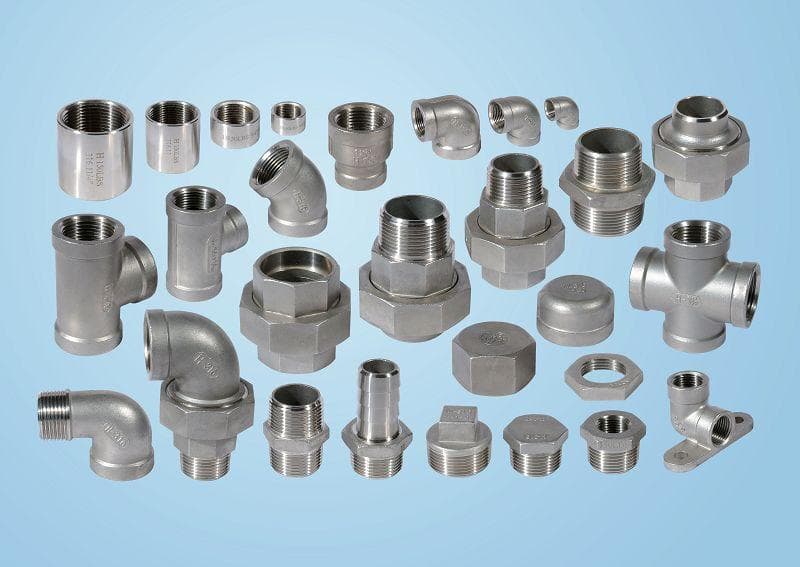
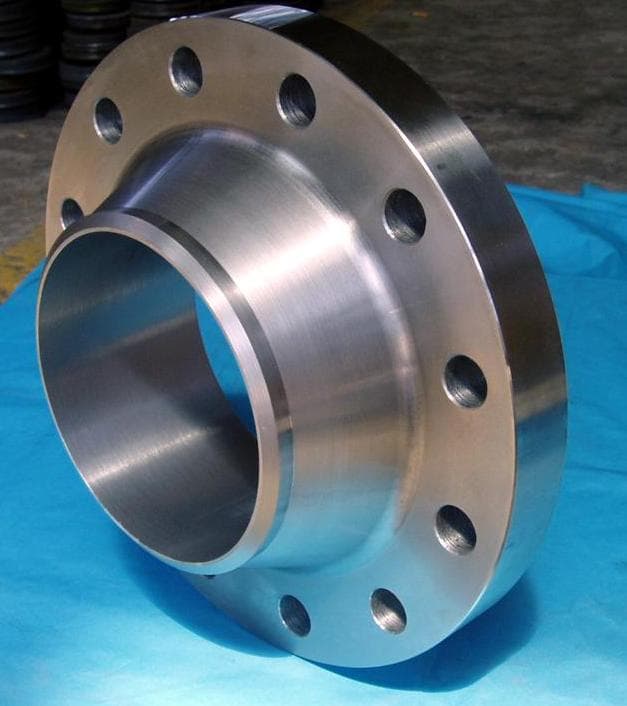
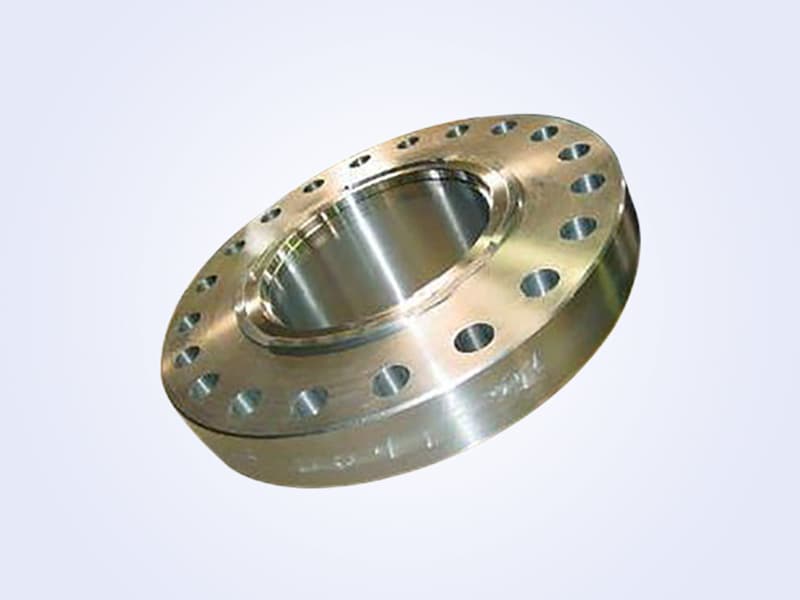
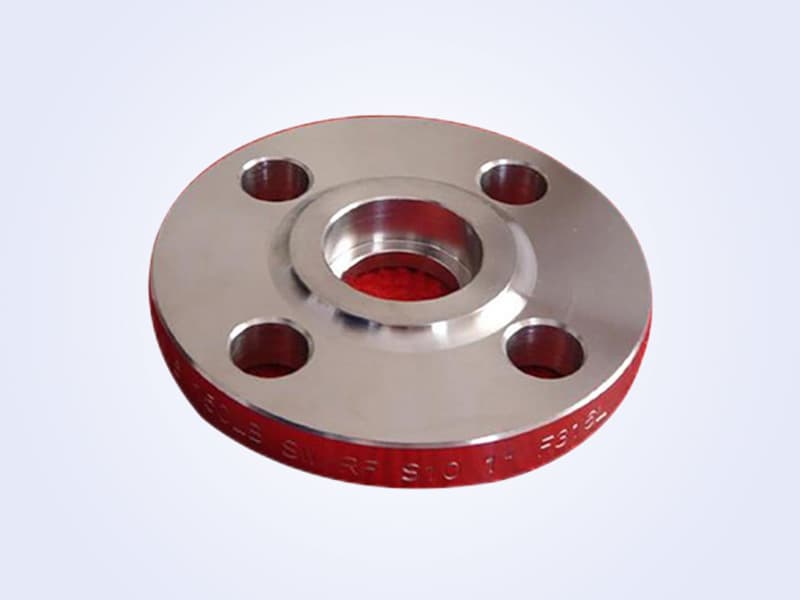
We supply both A106 and A53 seamless steel pipes along with matched butt-welding fittings and forged flanges.
Procurement / spec checklist
- State the standard, grade, size, schedule and end finish. Example: "ASTM A106 Grade B, NPS 6 Sch 80, seamless, plain ends, beveled per ASME B16.25 for butt welding".
- For A53, also state the manufacturing type (F, E or S) and finish (black or galvanised).
- Confirm the design temperature is inside the safe range for the chosen grade.
- State NDE: hydrostatic test or non-destructive electric test per the standard.
- Require EN 10204 3.1 MTR (3.2 if PED Cat III/IV or buyer requires).
- Specify wall tolerance (commonly 12.5 percent on seamless mill tolerance).
- Reference the latest published edition of the ASTM standard.
Mixed A106 / A53 line list to quote? Send via our inquiry page; QA evidence on our certificates page.
Sources
- https://amerpipe.com/comparing-common-steel-pipe-a106-vs-a53/
- https://www.octalsteel.com/faq/differences-between-astm-a53-and-a106-steel-pipe/
- https://www.anandseamless.com/astm-a106-astm-a53-seamless-carbon-steel-pipe-differences/
- https://www.cortecsteel.com/news/astm-a106-vs-a53-which-seamless-pipe-standard-is-right-for-your-application/
Need a quote for the products mentioned in this article?
Submit your specs and our pressure piping team will respond within one business day.
Send RFQRelated reading
StandardsASME II Part D Allowable Stress Lookup Explained for Buyers
ASME Section II Part D allowable stress lookup explained for procurement engineers: tables 1A, 1B, 3, derivation rules, and how to use them on a data sheet.
Standards