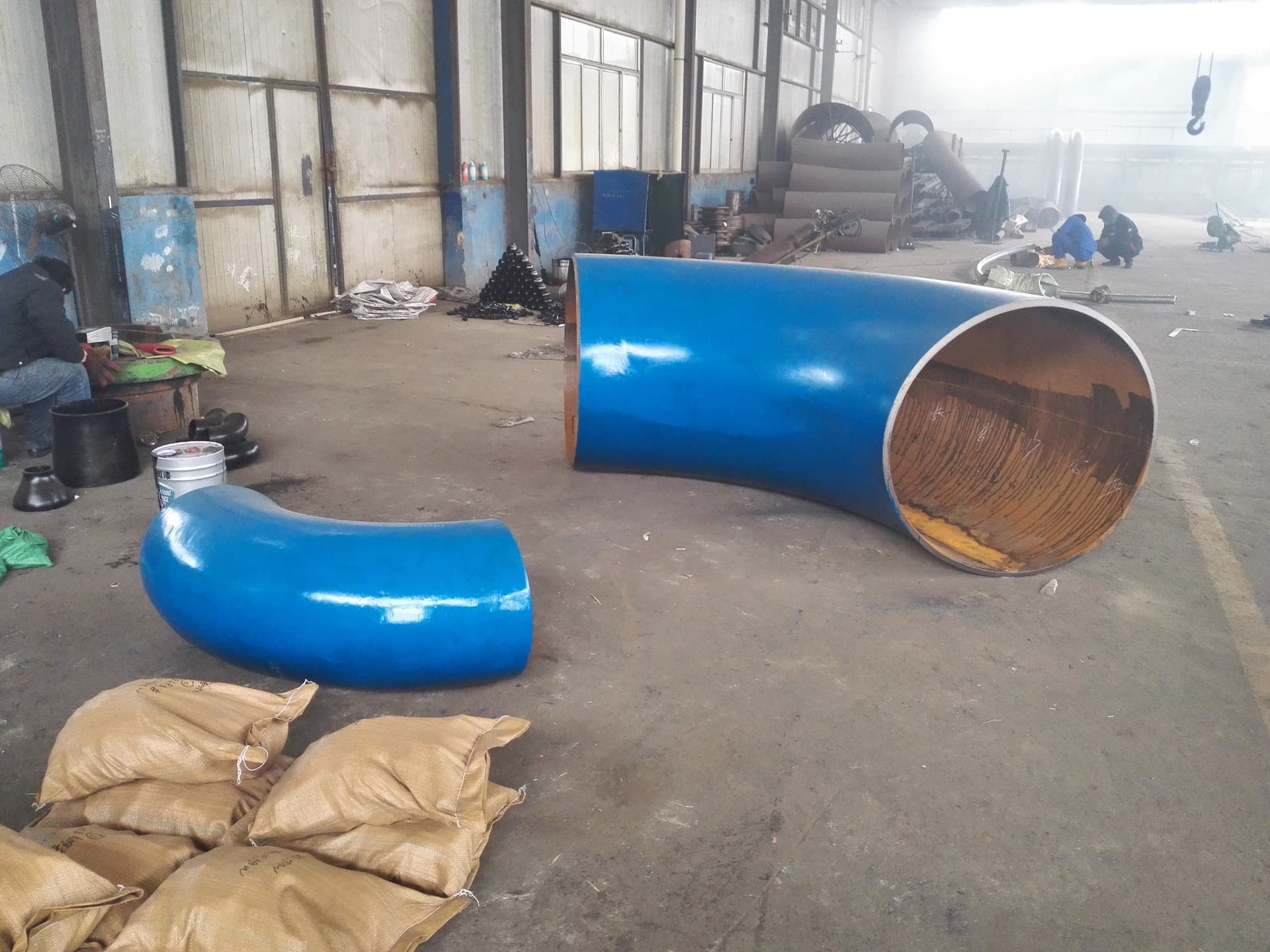
Why the Fitting Standard Matters for Copper Alloy Fittings
When specifying wrought copper or copper-alloy pressure fittings, the joint process is not a detail—it determines which ASME standard applies. For braze-joint fittings, procurement documentation must reference ASME B16.50. For solder-joint fittings, the applicable standard is ASME B16.22. These are separate references with distinct scopes, and they should not be substituted solely because the fitting geometry appears similar.
ASME B16.50 and ASME B16.22 at a Glance
ASME B16.50 covers wrought copper and wrought copper alloy braze-joint seamless fittings. It is designed for use with seamless copper tube conforming to ASTM B88, B280, or B819, and for joints assembled with brazing materials conforming to ANSI/AWS A5.8. The standard provides requirements for fitting ends suitable for brazing, and it covers pressure-temperature ratings, abbreviations for end connections, size and method of designating openings, marking, material, dimensions and tolerances, and testing. It is allied with ASME B16.18 and B16.22.
ASME B16.22 covers wrought copper and wrought copper alloy solder-joint seamless fittings for the same ASTM tube specifications. The scope also references fittings intended to be assembled with soldering materials conforming to ASTM B32, or with brazing materials conforming to AWS A5.8, or with tapered pipe thread conforming to ASME B1.20.1. B16.22 provides requirements for fitting ends suitable for soldering and covers pressure-temperature ratings, abbreviations, size designation, marking, material, dimensions and tolerances, and tests. It is allied with ASME B16.18.
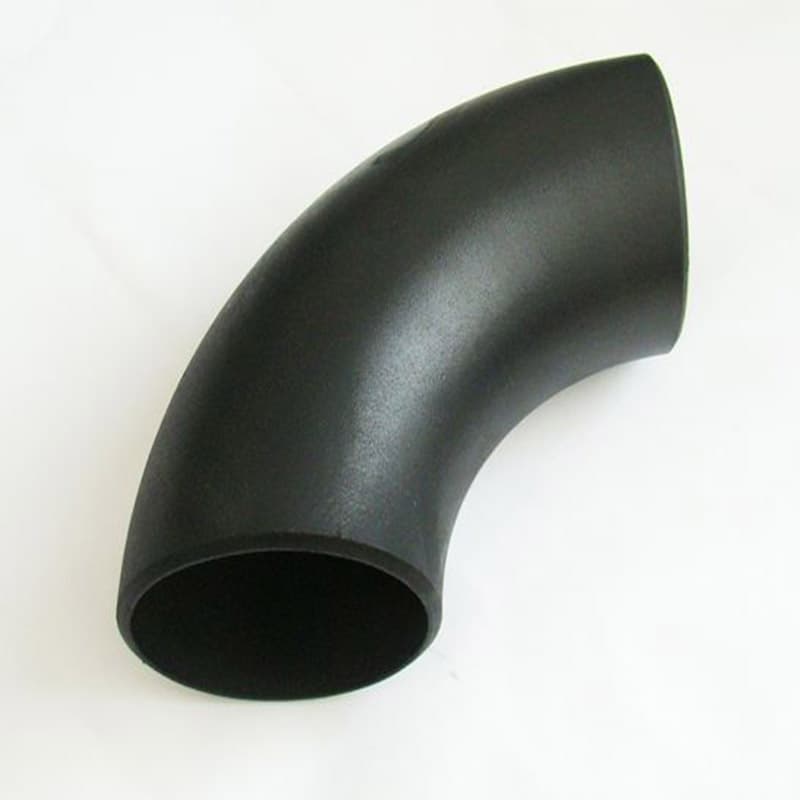
What Buyers Should Not Assume
The existence of two separate standards should not be interpreted as a statement that either joining process is inherently interchangeable. The fitting standard establishes dimensional and material requirements for the fitting itself, not approval for a specific field joint. Service temperature, filler metal, tube material, procedure qualification, and the governing code remain decisive. If your project requires a braze joint, verify that the fitting is specified to B16.50. If it requires a soldered joint, verify B16.22. A supplier that offers "copper fittings" without specifying the joint standard leaves the procurement basis incomplete.
RFQ Inputs for Copper Alloy Pressure Fittings
When preparing an RFQ for either B16.50 or B16.22 fittings, include the following:
- Joint type: state explicitly whether the fitting is intended for brazing or soldering.
- Fitting standard: ASME B16.50 or ASME B16.22, including edition if required.
- Tube standard: confirm the mating tube conforms to ASTM B88, B280, or B819, and specify which.
- Filler metal or solder: reference ANSI/AWS A5.8 for brazing filler metal or ASTM B32 for soldering materials, as applicable. Do not assume the fitting standard covers filler selection.
- Pressure-temperature ratings: verify the fitting rating against your system conditions rather than relying on generic pipe ratings.
- End connection design: open ends suitable for brazing or soldering, and any additional threading requirements per ASME B1.20.1 if applicable.
- Marking requirements: confirm marking per the standard, including manufacturer identification and fitting size.
- Certification and inspection requirements: list required test certificates and any third-party inspection.
Inspection and Documentation Checks
During receiving inspection, verify the following:
- The fitting is marked with the standard designation (B16.50 or B16.22) and the required size and material identification.
- Dimensional inspection covers pressure-temperature rating critical dimensions, opening sizes, and tolerances as defined in the standard.
- Material certificates match the ordered copper alloy and confirm the fitting is wrought and seamless.
- If brazing materials are involved, verify the filler metal classification against AWS A5.8.
- If soldering materials are involved, verify the solder classification against ASTM B32.
- For threaded connections, check taper thread compliance with ASME B1.20.1.
- Confirm the joining procedure qualifications are available from the fabricator. The fitting standard alone does not qualify the joint process.
Documentation should be reviewed by someone familiar with ASME standards, not only by commercial staff. If certificates are not provided with the required information, request clarification before accepting the material.
Common Procurement Risks
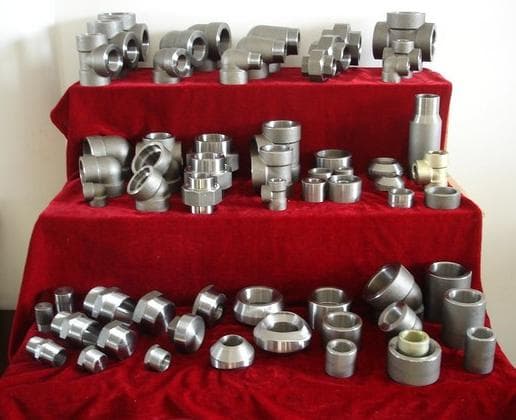
One recurring risk is substituting a fitting standard because the geometry looks similar. A braze-joint fitting and a solder-joint fitting may appear nearly identical in a photo or even in a catalog, but the intended joint and the end geometry are governed by different standards. Sourcing from a supplier that doesn't clearly state the applicable ASME standard can lead to incorrect fittings, rejected inspections, and rework.
Another risk is assuming that the fitting standard specifies the complete joint assembly. Both B16.50 and B16.22 cover the fitting end requirements and testing, but the actual brazed or soldered joint depends on the installation procedure, filler metal, and tube prep. Buyers should require the contractor or installer to provide procedure qualifications and applicable code compliance.
A third risk is ignoring the pressure-temperature rating context. The fitting standard covers ratings, but those ratings assume correct material, proper joint assembly, and compliance with the governing piping code. Do not extrapolate beyond the stated ratings without engineering review.
Finally, document control is more than a formality. Since both ASME B16.50 and B16.22 are on stabilized maintenance, changes and interpretations are limited. That makes it even more important to specify the edition you require and to confirm the supplier is shipping against that edition.
Practical Guidance for Buyers
Before sending an RFQ, review your project specification and determine the joint type. If brazing is required, reference ASME B16.50 and AWS A5.8 in your inquiry. If soldering is required, reference ASME B16.22 and ASTM B32. Note that B16.22 also references AWS A5.8 brazing materials and ASME B1.20.1 tapered pipe thread in its scope, so be precise about which assembly method applies.
When you need a full range of piping components, review the product range to confirm availability and specification coverage. For fittings with the correct standard designation, complete the request a quotation form with the joint type and supporting references.
Sources
Need a quote for the products mentioned in this article?
Submit your specs and our pressure piping team will respond within one business day.
Send RFQRelated reading
TechnicalASME B16.49 Induction Bend Inspection and Procurement Guide
Understand the scope of ASME B16.49 for factory-made induction bends, what to check during procurement and inspection, and what to verify when the standard does not apply.
Technical