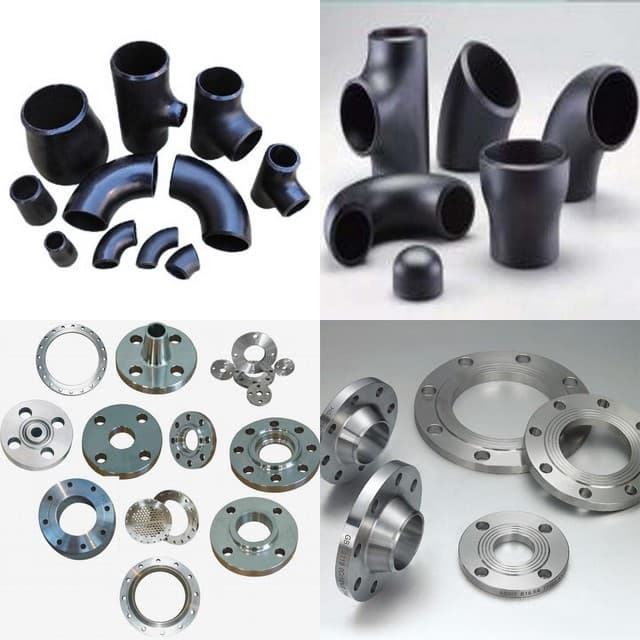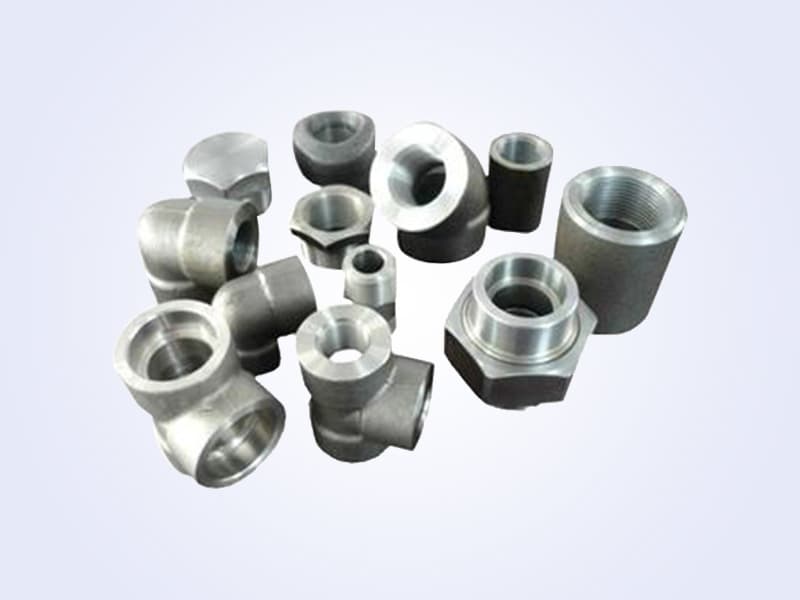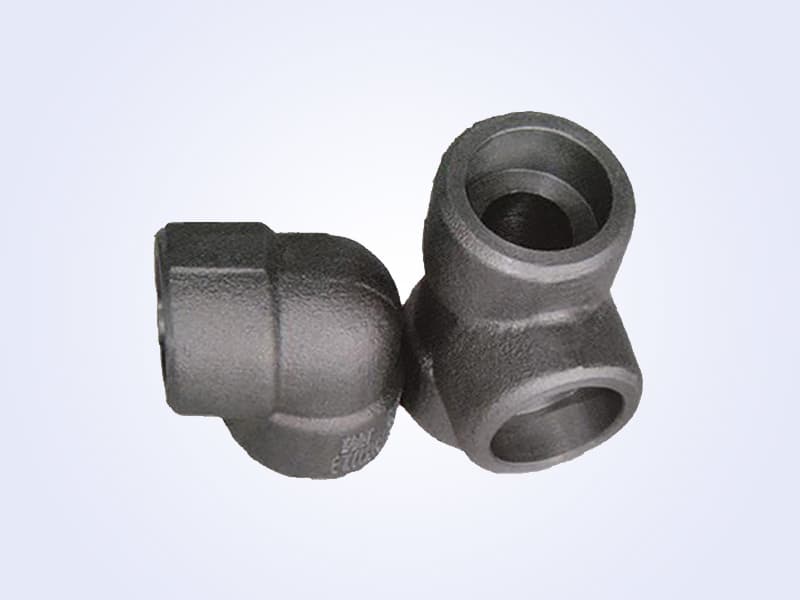
ASTM A182/A182M is the governing specification for forged or rolled alloy- and stainless-steel pipe flanges, forged fittings, valves, and parts for high-temperature service. When grain size appears in a purchase order, it is usually tied to ASTM E112. But the relationship between these two standards is often misunderstood. This guide separates what is mandatory from what is optional, and explains what procurement engineers and inspectors must verify.
Why Grain Size Is Not a Default Requirement
ASTM E112 provides test methods for determining average grain size. It does not set acceptance limits. A common mistake is to assume that referencing ASTM E112 in a material certificate or procedure automatically creates a pass/fail requirement for every grade. It does not. The acceptance requirement must come from the material specification, a supplementary requirement, a project specification, or the purchase order.
For A182 forged stainless fittings, the base specification only requires grain size testing for specific grades. Unless the buyer or project adds a requirement, grain size is not a universal acceptance criterion.
What ASTM A182 Actually Requires
ASTM A182/A182M covers forged or rolled alloy- and stainless-steel pipe flanges, forged fittings, valves, and parts for pressure systems. Products are limited to a maximum weight of 10 000 lb [4540 kg]. Larger products are covered by other specifications such as A336/A336M or A965/A965M.