Introduction
For procurement engineers and industrial buyers selecting pipe fittings for high-pressure or high-temperature systems, understanding the differences between butt weld, threaded, and flanged fittings is critical. Each type serves distinct applications, and the wrong choice can lead to leaks, failures, or costly maintenance. This guide provides a practical comparison to help you make informed decisions.
Connection Methods and Integrity
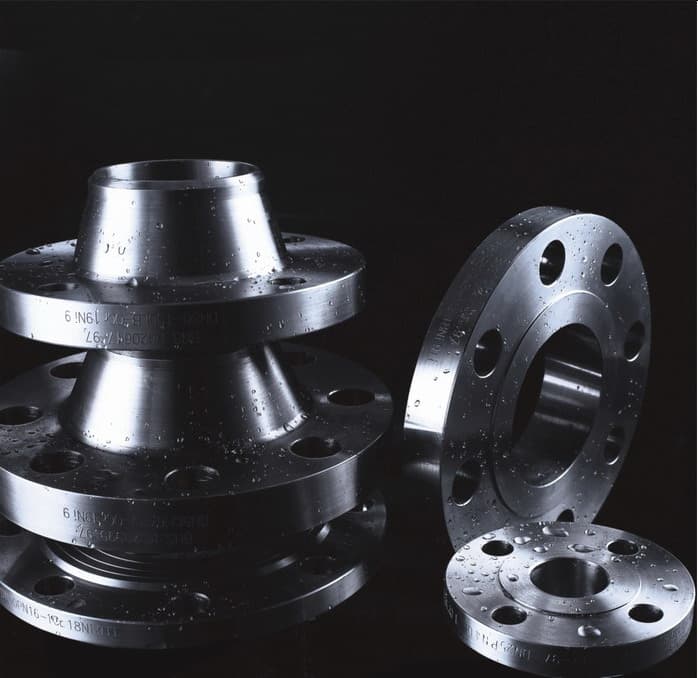
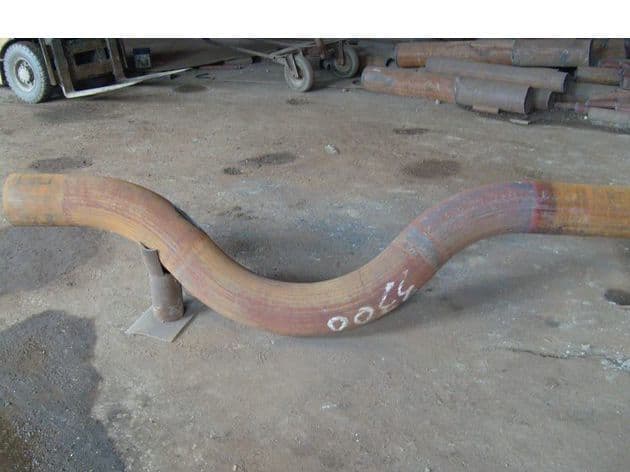
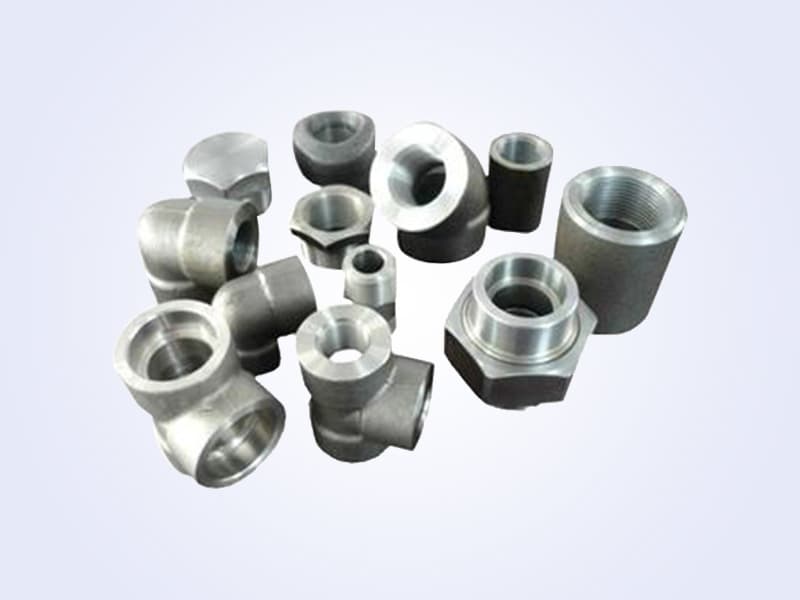
Butt weld fittings are joined by welding the pipe ends directly to the fitting, creating a permanent, leak-proof connection. Threaded fittings rely on screw threads, while flanged fittings use bolts and gaskets. In high-pressure environments (above 300 psi or 600°F), threaded connections may fail due to thread stripping or thermal expansion. Butt weld fittings offer superior joint strength and are preferred for critical services such as steam, hydrocarbons, and high-pressure gases.
Strength and Durability
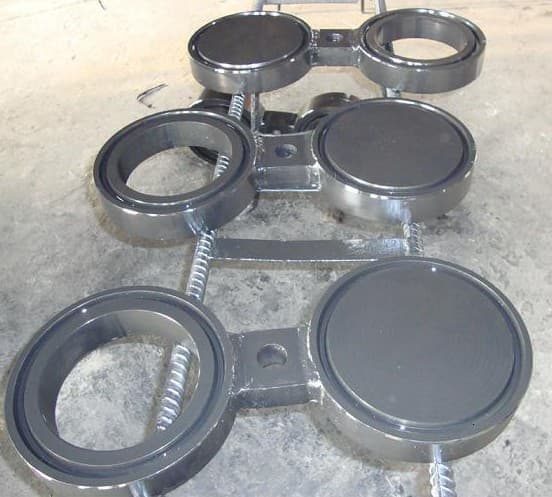
Weld joints provide continuous metal structure, eliminating weak points. Butt weld fittings are typically made from forged or seamless pipe, ensuring uniform wall thickness and resistance to stress corrosion cracking. Threaded fittings have stress concentrations at the threads, making them prone to fatigue. Flanged connections, while robust, introduce potential leak paths at the gasket and are heavier. For fatigue-prone applications (e.g., vibration or thermal cycling), butt weld is the safest choice.