Introduction
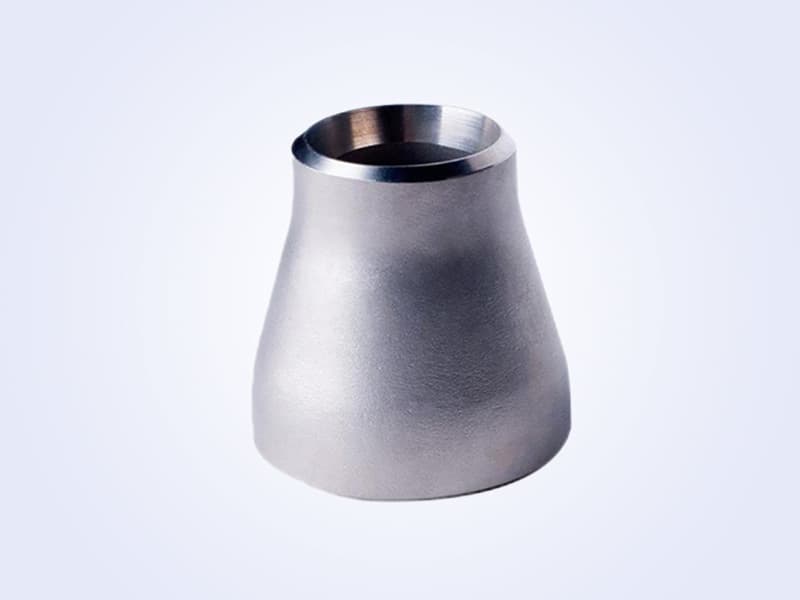
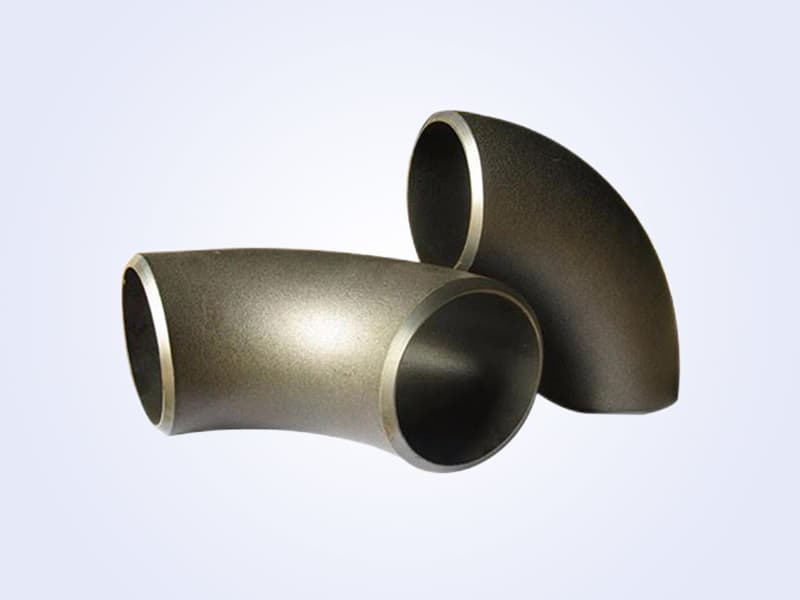
Butt-weld fittings are essential components in high-pressure and high-temperature piping systems, commonly used in oil and gas, chemical, and power generation industries. Their welded connection provides a strong, leak-resistant joint that matches the pipe's strength. For procurement engineers, selecting the right fittings involves more than just matching dimensions; it requires verifying materials, standards, and quality assurance processes. This guide outlines the critical steps to ensure reliable sourcing.
Key Standards for Butt-Weld Fittings
When specifying butt-weld fittings, confirm that they comply with recognized international standards. The most common are:
- ASTM A234 – Standard specification for wrought carbon steel and alloy steel fittings (most common for carbon steel).
- ASTM A403 – For wrought austenitic stainless steel fittings.
- ASTM A420 – For low-temperature service fittings.
- ASME B16.9 – Factory-made wrought steel butt-weld fittings (dimensions, tolerances, marking).
- ASME B16.25 – Butt-weld ends for pipes and fittings.
- ISO 15590 – For induction bends and fittings for pipeline applications.
Always request the applicable standard on the certificate of compliance or material test report. Different end-user specifications (e.g., NACE MR0175 for sour service) may require additional testing.
Required Inspection Documents
To ensure traceability and quality, ask your supplier to provide:
- Material Test Report (MTR) – Also known as mill certificate, showing chemical composition and mechanical properties.
- Heat Number Traceability – The ability to trace each fitting back to its original heat.
- Dimensional Inspection Report – Verifies critical dimensions: wall thickness, outside diameter, bevel angle, and end-to-end length.
- Hydrostatic Test Certificate – If required by the standard or project specification.
- Visual and Dimensional Inspection Records – For surface defects, end finish, and marking.
- Third-Party Inspection Reports – If applicable, from agencies like DNV, SGS, or Lloyds.
RFQ Checklist for Butt-Weld Fittings
To get accurate quotations and avoid costly mistakes, include these details in your request for quotation (RFQ):
| Item | Details to Provide |
|---|---|
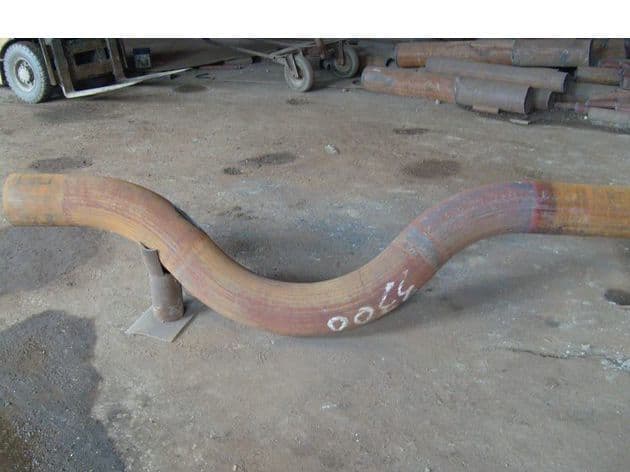
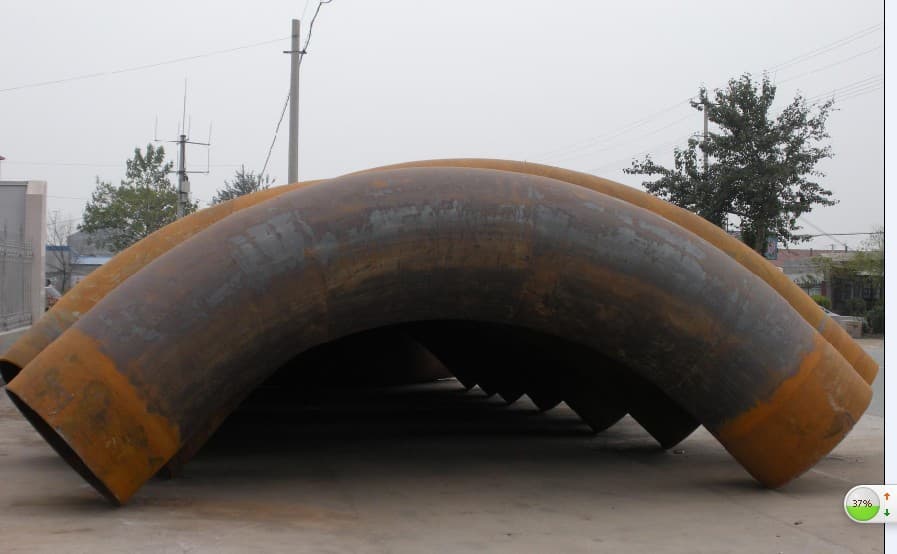
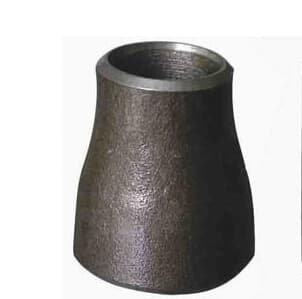
| Fitting Type | Elbow (90°/45°), tee, reducer, cap, stub end, etc. |
| Nominal Pipe Size (NPS) and Schedule | e.g., NPS 6, Schedule 80 |
| Material Grade | e.g., ASTM A234 WPB, A403 WP316/L |
| Standard | ASME B16.9, ISO 15590, etc. |
| End Preparation | Bevel as per ASME B16.25 (plain end for other types) |
| Quantity | Number of pieces per line item |
| Additional Requirements | Third-party inspection, NACE compliance, PWHT, etc. |
Clearly specifying these parameters minimizes the risk of wrong parts and delivery delays.
Quality Risks to Watch For
- Inconsistent Wall Thickness: Fittings from low-cost manufacturers may have under-thickness walls, especially on the intrados of elbows. Always check the minimum wall after forming.
- Incorrect Bevel Geometry: Poor bevel preparation can lead to weld defects. Verify bevel angle (37.5° typical) and root face dimension.
- Heat Treatment Status: Some materials require normalization, annealing, or quenching-and-tempering. Confirm heat treatment cycles on the MTR.
- Surface Defects: Laps, cracks, or heavy scaling indicate poor manufacturing control. Request dye penetrant or magnetic particle testing for critical services.
- Mixed Materials: Without proper segregation, stainless steel and carbon steel fittings can be mixed. Always require heat number marking on each piece.
What to Send Before Quotation
To receive a prompt and accurate quote, send the following to potential suppliers:
- A complete bill of materials (BOM) with item descriptions.
- Your project specifications (e.g., client requirements, governing code).
- Inspection and certification requirements.
- Preferred delivery terms (INCOTERMS) and timeline.
- Any approved manufacturer list (AML) references.
Conclusion
Butt-weld fittings are reliable when procured with a clear understanding of standards, diligent document review, and precise RFQ communication. By following the checklist and understanding quality risks, you can ensure that the fittings meet your project's performance and safety requirements.
Need Help Sourcing Butt-Weld Fittings?
At Hebei Haihao Group, we manufacture a full range of butt-weld fittings in carbon steel, stainless steel, and alloy steel, conforming to ASME B16.9 and other international standards. We can provide full traceability and third-party inspection upon request. Contact us with your RFQ for a prompt quotation.
Need a quote for the products mentioned in this article?
Submit your specs and our pressure piping team will respond within one business day.
Send RFQRelated reading
Buyer guideProcurement Guide for Figure-8 Blinds (Spectacle Blinds) in Piping Systems
A practical procurement guide for EPC engineers and buyers covering figure-8 blinds (spectacle blinds): applications, standards, inspection requirements, RFQ checklist, and common quality risks.
Buyer guide