Why This Matters
If you are sourcing from a Chinese manufacturer for a European EPC project, you cannot just hand over a B16.9 RFQ and expect everything to be fine. The fittings might be dimensionally interchangeable, but the legal compliance, the allowable working pressure, and the certificate type can be different.
Where the Two Standards Agree
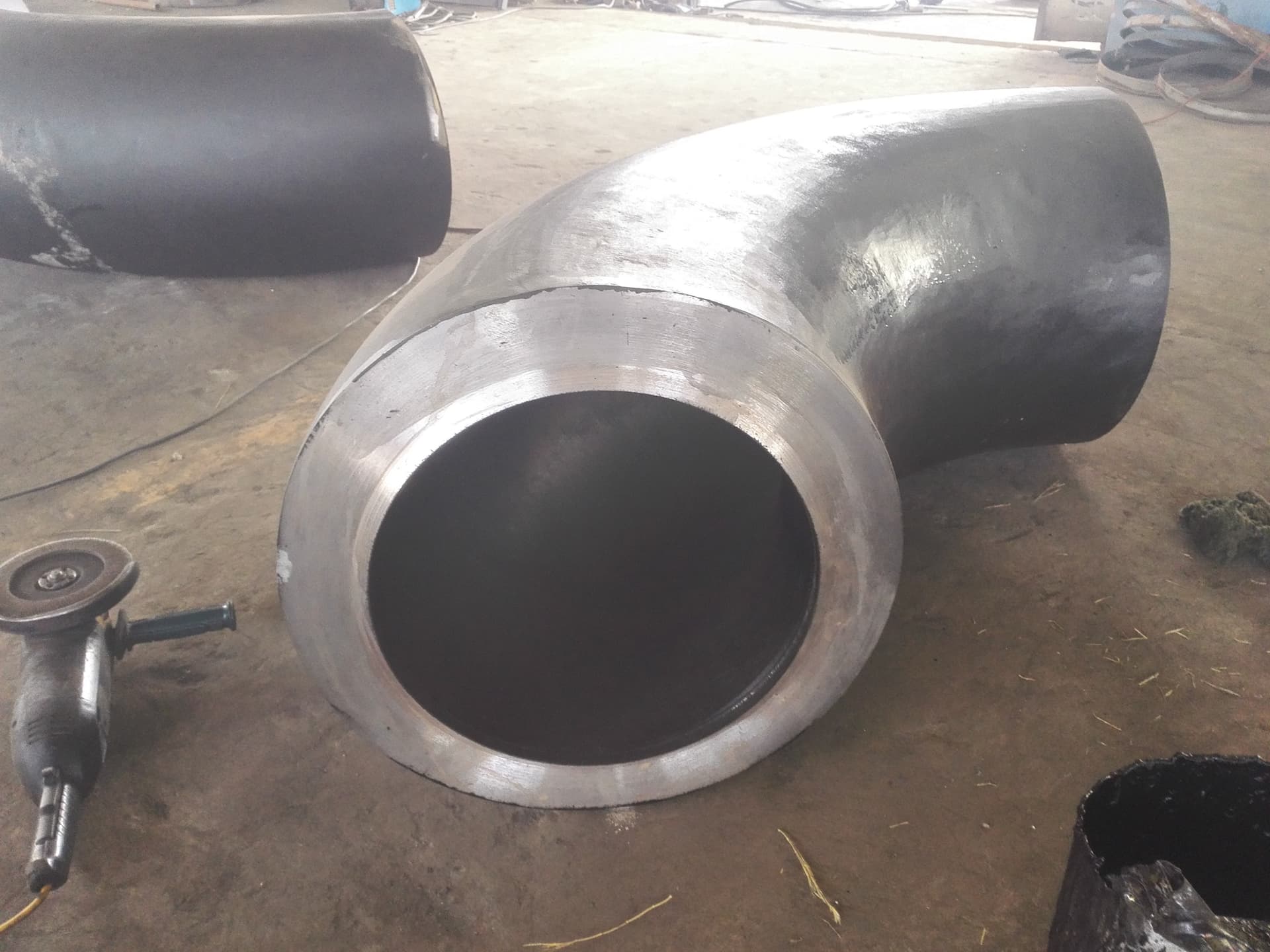
For the majority of sizes, butt-weld fittings to BS EN 10253 are dimensionally the same as their ASME B16.9 equivalents:
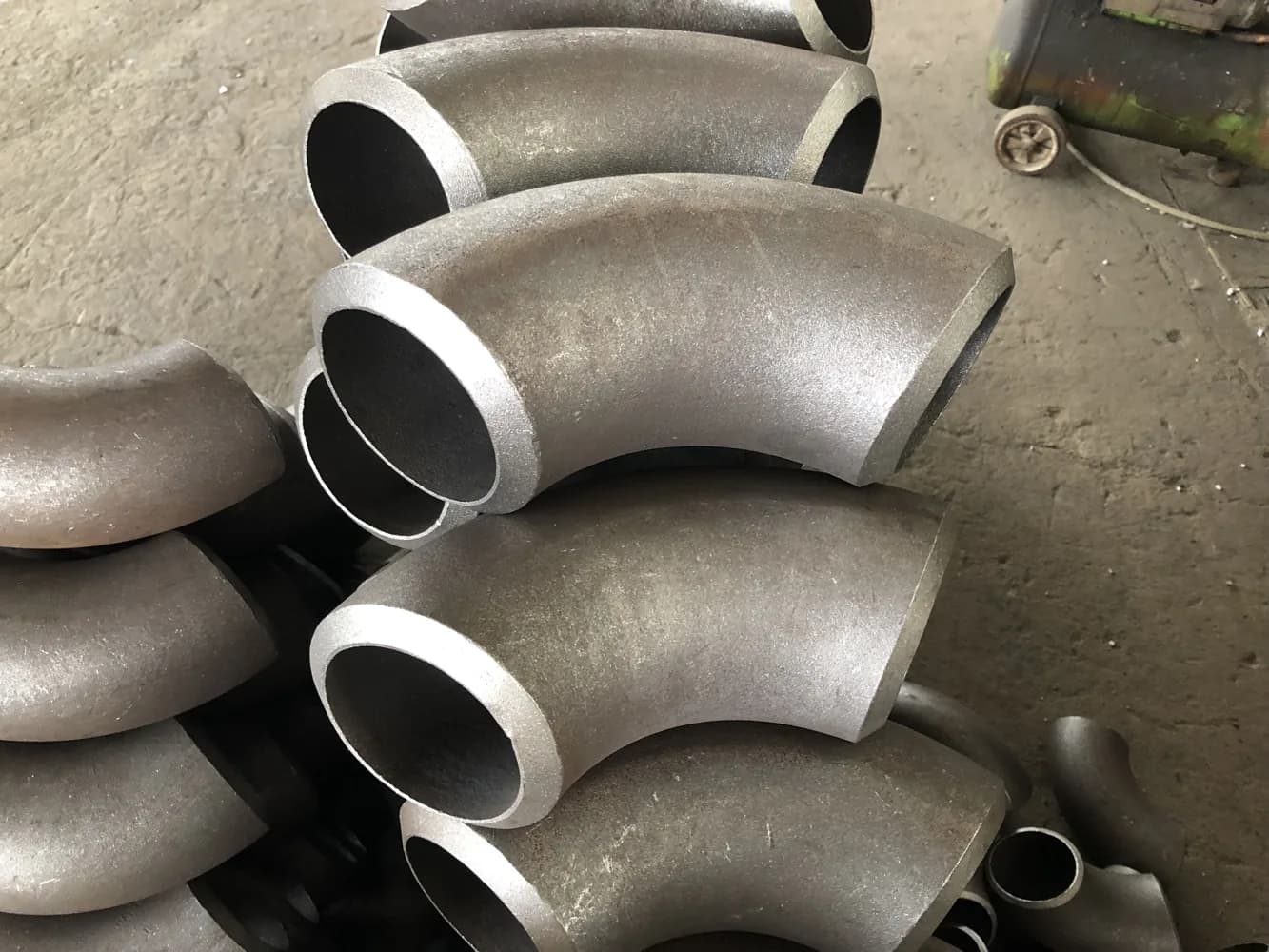
- 90° and 45° elbows (long radius and short radius)
- Tees (equal and reducing)
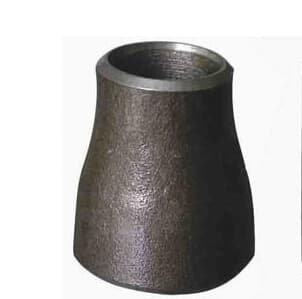
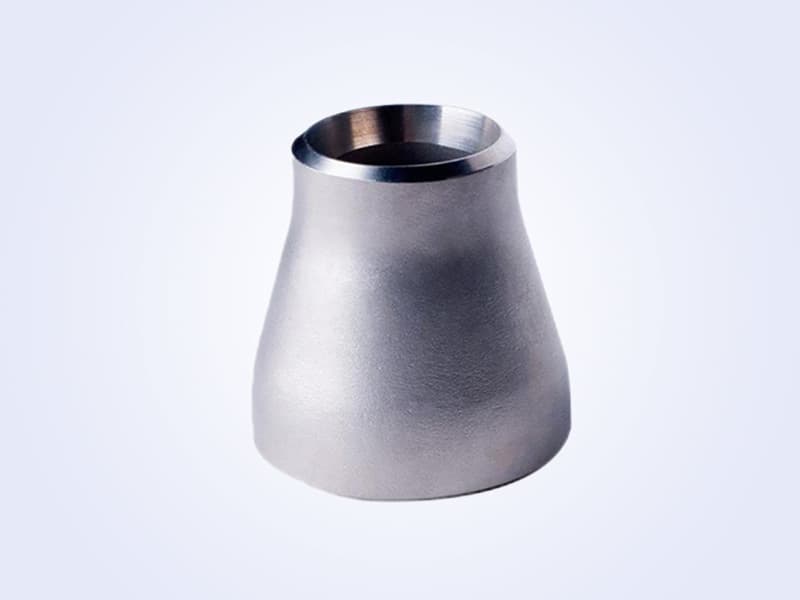
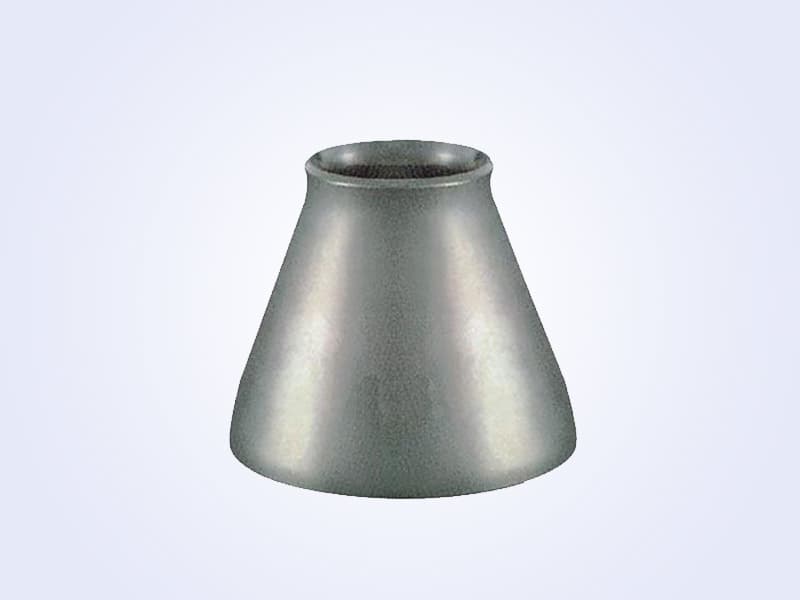
- Reducers (concentric and eccentric)
- Caps
- Stub ends
The forming process (hot-formed, pressed, induction-bent), end preparation, marking philosophy, and material families overlap heavily.
Where They Diverge — Dimensions
The root cause is that EN and ASME use different outside diameters at certain sizes:
| DN / NPS | EN 10253 OD | ASME B16.9 OD |
|---|---|---|
| DN 65 / NPS 2½ | 76.1 mm | 73.0 mm |
| DN 125 / NPS 5 | 139.7 mm | 141.3 mm |
| DN 150 / NPS 6 | 168.3 mm (Series A) / 165.1 mm (Series B) | 168.3 mm |
The OD difference cascades into different center-to-end and end-prep dimensions. For all other DN values the two systems share a common OD, and the elbows / tees / reducers are dimensionally interchangeable on physical fit-up. But interchangeable does not mean compliant — see next section.
Where They Diverge — Material & Documentation
Material Families
ASME B16.9 references ASTM material standards:
- Carbon: A234 WPB/WPC
- Stainless: A403 WP304L/WP316L
- Low temp: A420 WPL6
- Alloy: A234 WP11/WP12/WP22/WP91
EN 10253 (parts 1, 2, 3, 4) references EN material grades:
- Carbon: P235GH, P265GH, P355NH (EN 10222 / EN 10216)
- Stainless: 1.4301 (304), 1.4404 (316L), 1.4541 (321)
- Low temp: P285QH, P460NL1, etc.
Cross-references exist (e.g. A234 WPB ≈ P235GH for many uses) but are not always identical in chemistry envelope, especially residual elements (Cu, Ni, Cr, Mo limits) and CEV calculation.
Documentation Requirements
ASME B16.9: MTC per ASTM A961 / SA-961 (general requirements). EN 10204 3.1 is commonly accepted.
EN 10253: MTC per EN 10204 — type 3.1 is the minimum for pressure-bearing service in PED Categories I-III; type 3.2 (independent inspector) is mandatory for PED Category IV (high-pressure / hazardous fluids).
If your project is in the EU and falls under PED Category IV, an A234 fitting with a 3.1 MTC may not be legally installable without additional notified-body involvement.
Allowable Stress Differences
Both standards reference different design code families:
- ASME B16.9 fittings are typically used in lines designed to ASME B31.1 or B31.3, with allowable stresses from ASME II Part D
- EN 10253 fittings go into lines designed to EN 13480, with allowable stresses from EN 13445 (vessels) or EN 13480 itself (piping)
For the same nominal material (P235GH carbon steel ≈ A234 WPB), the calculated allowable stress at design temperature can differ because the safety factors and the stress-rupture data sources are different.
If your project is mid-design and you switch from B16.9 to EN 10253 (or vice versa), the piping designer must redo the wall-thickness calculation under the new code.
PED Conformity in Practice
For fittings shipped into the EU under the Pressure Equipment Directive:
| PED Category | EN 10253 fitting documentation | ASME B16.9 fitting documentation (CE-marked equivalent) |
|---|---|---|
| Article 4.3 (good engineering practice, no CE) | EN 10204 2.2 | ASTM CoC equivalent acceptable |
| Category I-III | EN 10204 3.1 | A234 + EN 10204 3.1 + supplier holds AD 2000 W0 (material approval) |
| Category IV | EN 10204 3.2 + Notified Body | A234 + 3.2 + Notified Body involvement on a case-by-case basis |
If your supplier holds PED 4.3 Material Approval (issued by a Notified Body such as TÜV SÜD, TÜV Rheinland, BV) for the A234 grade, A234 fittings are usable in PED service. Without that approval, you should default to EN 10253 grades.
Choosing for a Project
| Project location | Default standard | Notes |
|---|---|---|
| North America | ASME B16.9 | A234/A403/A420 standard chain |
| EU & UK | EN 10253 | PED-compliant chain; some EPCs accept B16.9 if supplier has PED material approval |
| Middle East EPC | Either; check specification | Aramco / ADNOC specs typically allow both with the right paperwork |
| LNG / cryogenic | Match what the train licensor specifies | Often dual-standard project specs |
| Pipeline (transmission) | Neither — use MSS SP-75 |
Buying Checklist
- [ ] Confirm the project specification names a specific standard
- [ ] If EU service, verify supplier's PED material approval covers your grade
- [ ] Specify EN 10204 3.1 (minimum) or 3.2 (PED IV / sour / cryogenic)
- [ ] Cross-check NPS 2½ and NPS 6 dimensions if you might swap brands later
- [ ] If switching standards mid-project, instruct piping engineering to redo wall-thickness calc
This article references publicly available summaries of EN 10253 and ASME B16.9. The actual published standards take precedence for any commercial transaction.
Related Products
For physical supply of the specs discussed above, refer to the relevant Hebei Haihao product categories:
Or browse the full product catalogue and filter by ASTM / ASME / EN / GB standards, material grades, and size ranges.
Further Reading
Next Steps
- This article is a procurement reference; all standard numbers, chemistry limits, and process parameters defer to the latest published edition
- For project RFQs, submit your specs via the inquiry form; we respond within 4 business hours
- Factory certifications and inspection capability are listed on the certificates page
Need a quote for the products mentioned in this article?
Submit your specs and our pressure piping team will respond within one business day.
Send RFQRelated reading
 Standards
ASTM A182: Forged Alloy and Stainless Piping Components
ASTM A182 covers forged low-alloy and stainless steel flanges, fittings, valves, and parts for high-temperature service. This guide explains what buyers must specify beyond the standard, including grade, heat treatment, and dimensional standards.
 Standards