Introduction
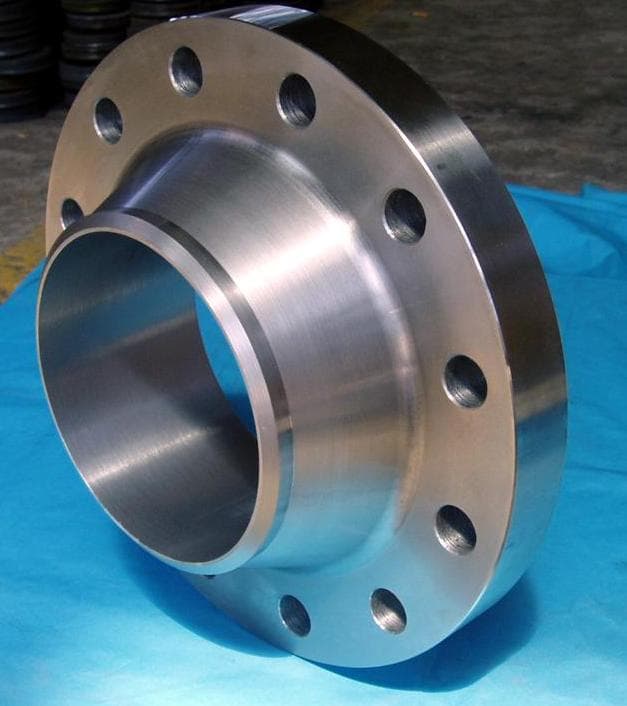
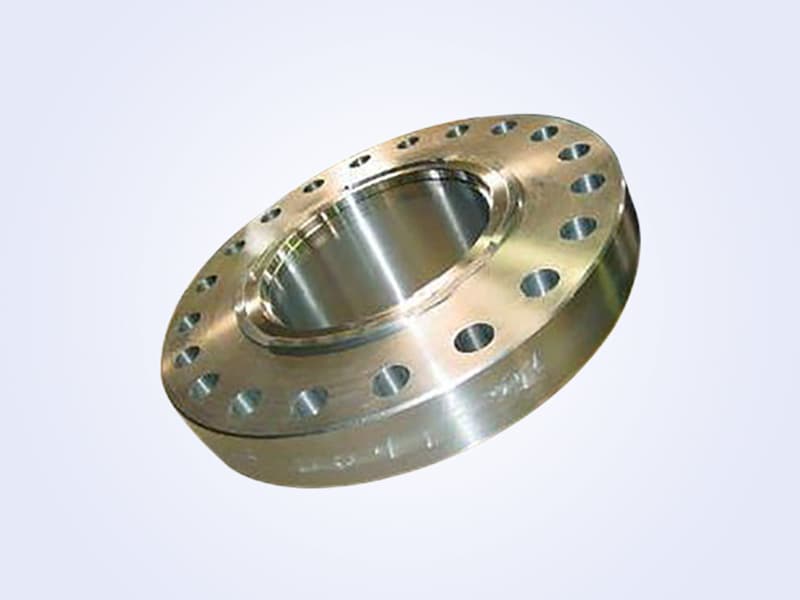
When sourcing flanges for industrial piping systems, engineers and procurement professionals often encounter two similar-looking materials: gray iron and ductile iron. Although both are cast iron products, they are governed by separate ASME standards with different pressure classes, material properties, and design considerations. Confusing the two can lead to non-compliant components, safety risks, and project delays.
This article provides a practical procurement comparison between gray iron and ductile iron flanges, based on the official ASME standards. It outlines the key differences, procurement checks, and RFQ inputs to ensure you specify the correct material for your application.
ASME Standards Overview
Gray iron flanges are covered by ASME B16.1 – Gray Iron Pipe Flanges and Flanged Fittings: Classes 25, 125, and 250. This standard includes pressure-temperature ratings, sizes, marking, materials, dimensions, tolerances, bolting, gaskets, and pressure testing.
Ductile iron flanges are covered by ASME B16.42 – Ductile Iron Pipe Flanges and Flanged Fittings: Classes 150 and 300. This standard covers similar aspects but for ductile iron material, with classes 150 and 300.
It is critical to note that a class number from one standard does not imply compliance with the other. For example, a Class 125 gray iron flange is not equivalent to a Class 150 ductile iron flange, even though the numbers may appear similar. Each standard has its own pressure-temperature ratings and design requirements.