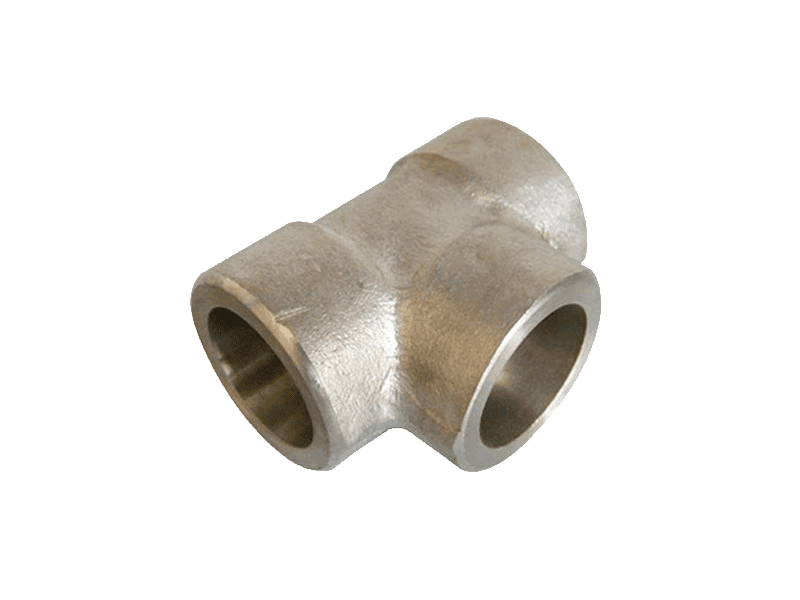
What are the materials of forged pipe fittings?
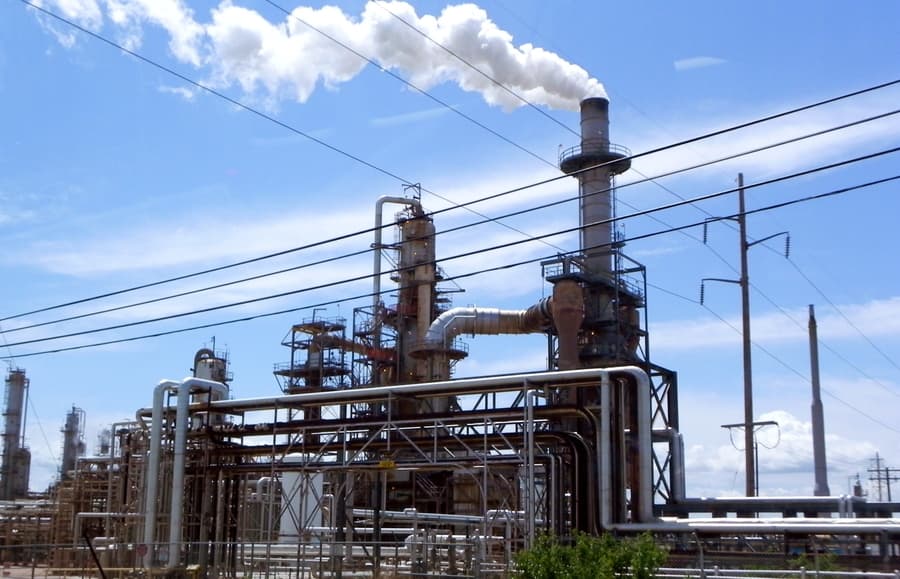
In the industrial manufacturing field, forged pipe fittings are an indispensable component. If you walk into any manufacturing plant, you may see various pipe fittings silently supporting the entire production line. But have you ever wondered what materials forged pipe fittings are made of? This is not a simple question. Today, let's delve into it.
What are forged pipe fittings?
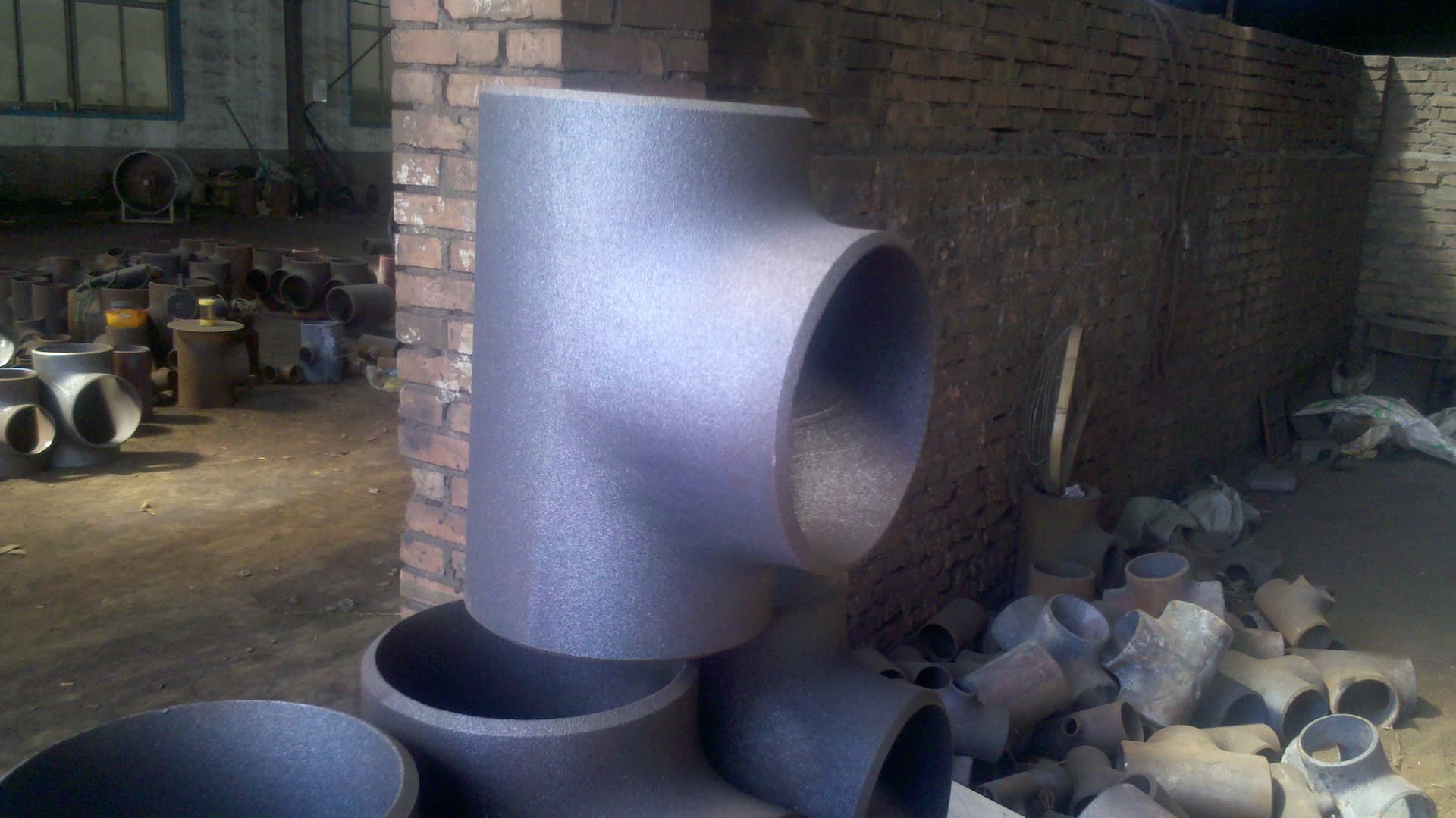
First, we need to clarify a concept: forged pipe fittings. Simply put, forged pipe fittings are metal pipe fittings produced by forging process, usually used to bear pressure or liquid. The manufacturing process involves heating the metal to a certain temperature, then shaping it by hammering or pressing. This process not only improves the material's strength and toughness but also enhances its corrosion and wear resistance.
Common materials for forged pipe fittings
Speaking of materials for forged pipe fittings, we can divide them into several main types. Next, let's take a closer look at the characteristics and uses of these materials.
- Carbon steel
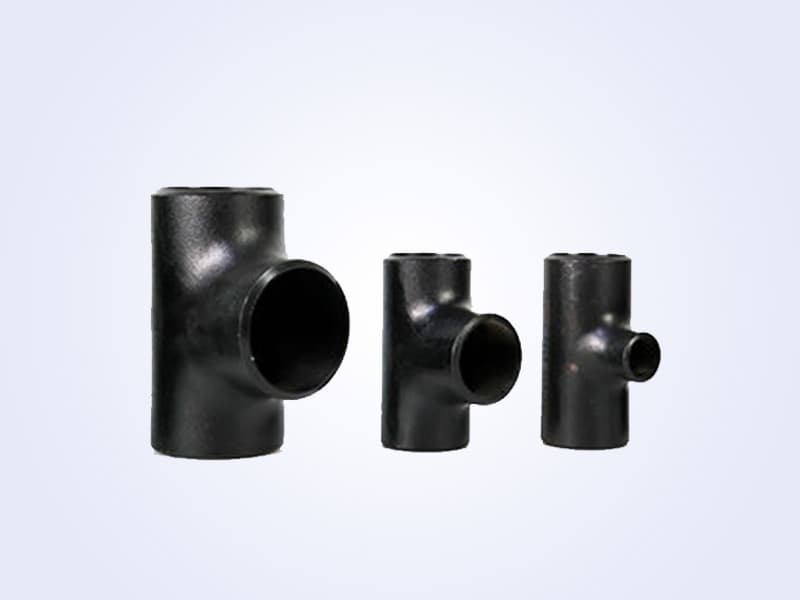
Carbon steel is the most common material for forged pipe fittings. Its main components are iron and carbon, with good strength and toughness. Due to its excellent mechanical properties and low cost, carbon steel is widely used in petroleum, chemical, power and other fields. However, its corrosion resistance is relatively poor, so rust may occur in certain specific environments.
- Stainless steel
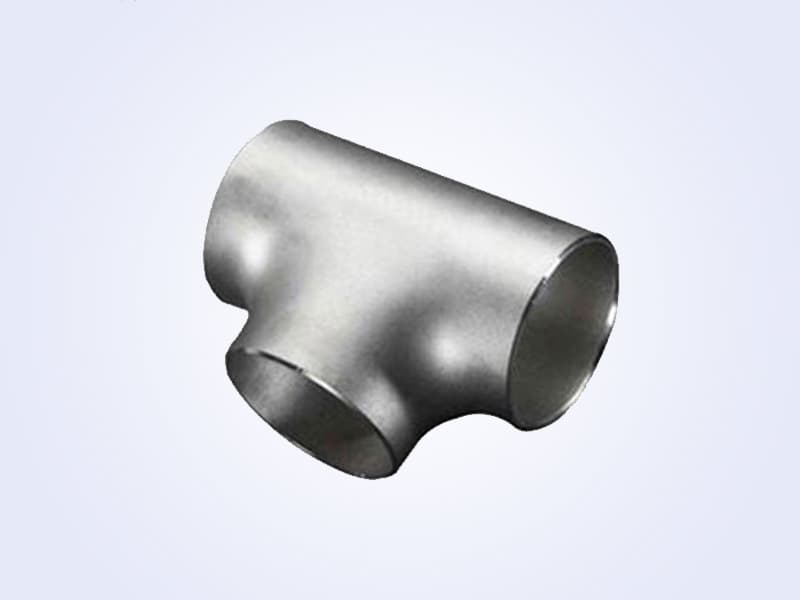
For applications that require higher corrosion resistance, stainless steel is undoubtedly the best choice. Its main components are iron, chromium, and nickel, which can resist the erosion of various chemical media. Stainless steel also has high strength, suitable for high temperature and high pressure environments. Therefore, many food, pharmaceutical, and marine engineering industries often choose stainless steel forged pipe fittings.
- Alloy steel
Alloy steel is a material that improves performance by adding other alloy elements (such as chromium, nickel, molybdenum, etc.) to carbon steel. Alloy steel has excellent strength and toughness, suitable for extreme environments such as aerospace, nuclear industry and other fields. Although the cost is high, its superior performance makes it irreplaceable in some key applications.
- Copper and copper alloys
Copper and copper alloys are also widely used in some special applications. They have excellent electrical and thermal conductivity, and better corrosion resistance than ordinary steel. Therefore, in the power industry and heat exchange equipment, copper forged pipe fittings are often used.
Importance of material selection
You might think, "
Why is material selection for forged pipe fittings so important?
" In fact, the choice of material directly affects the performance, life, and safety of the pipe fittings. For example, in high temperature and high pressure environments, if an unsuitable material is chosen, the pipe fittings may fracture or leak, causing serious safety hazards. Therefore, when selecting forged pipe fittings, the use environment and required performance must be carefully considered.
Summary
There are many materials for forged pipe fittings, including carbon steel, stainless steel, alloy steel, and copper. Each material has its unique advantages and applicable fields, so it must be carefully considered when selecting. I hope this article gives you a deeper understanding of the materials of forged pipe fittings.
Need a quote for the products mentioned in this article?
Submit your specs and our pressure piping team will respond within one business day.
Send RFQRelated reading
 Industry news
Manatee Gas FID in Trinidad and Tobago: A Source-Checked LNG Feedgas Update
Shell's July 2024 FID for the Manatee gas development in Trinidad and Tobago signals continued investment in LNG feedgas. This update outlines what is verified, what remains to be checked, and how EPC buyers can align procurement with evolving project timelines.
 Industry news