Analysis of Corrosion Resistance of Stainless Steel Butt-Weld Fittings
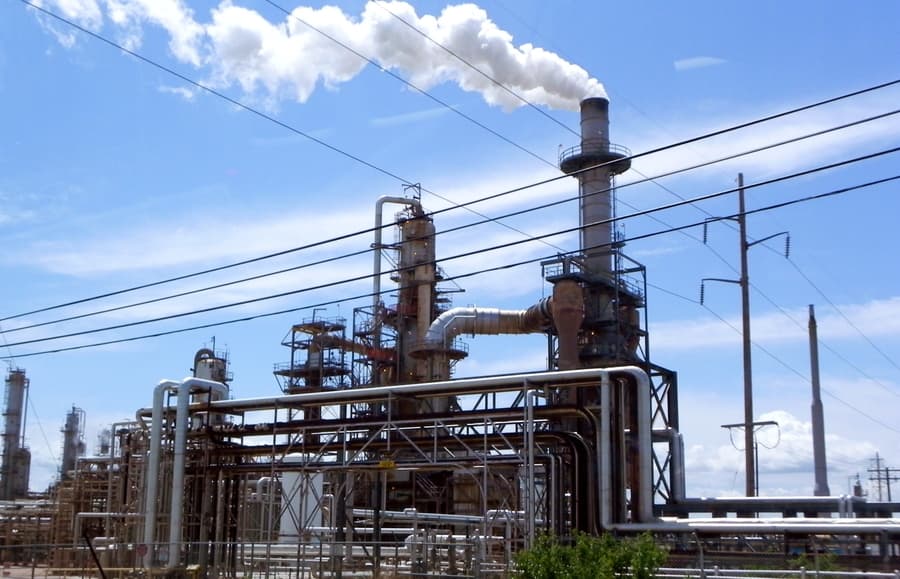
In modern industry, stainless steel butt-weld fittings are an indispensable component. Whether in the petroleum, chemical, food processing, or construction industries, stainless steel butt-weld fittings play an important role.
Why are they so popular?
Corrosion resistance is one of the key factors. Today, we will delve into the corrosion resistance characteristics of stainless steel butt-weld fittings to help you better understand their advantages.
What are butt-weld fittings?
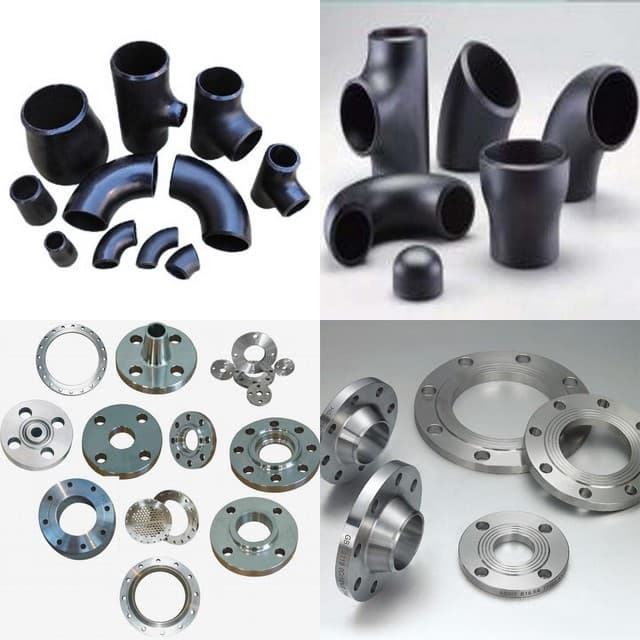
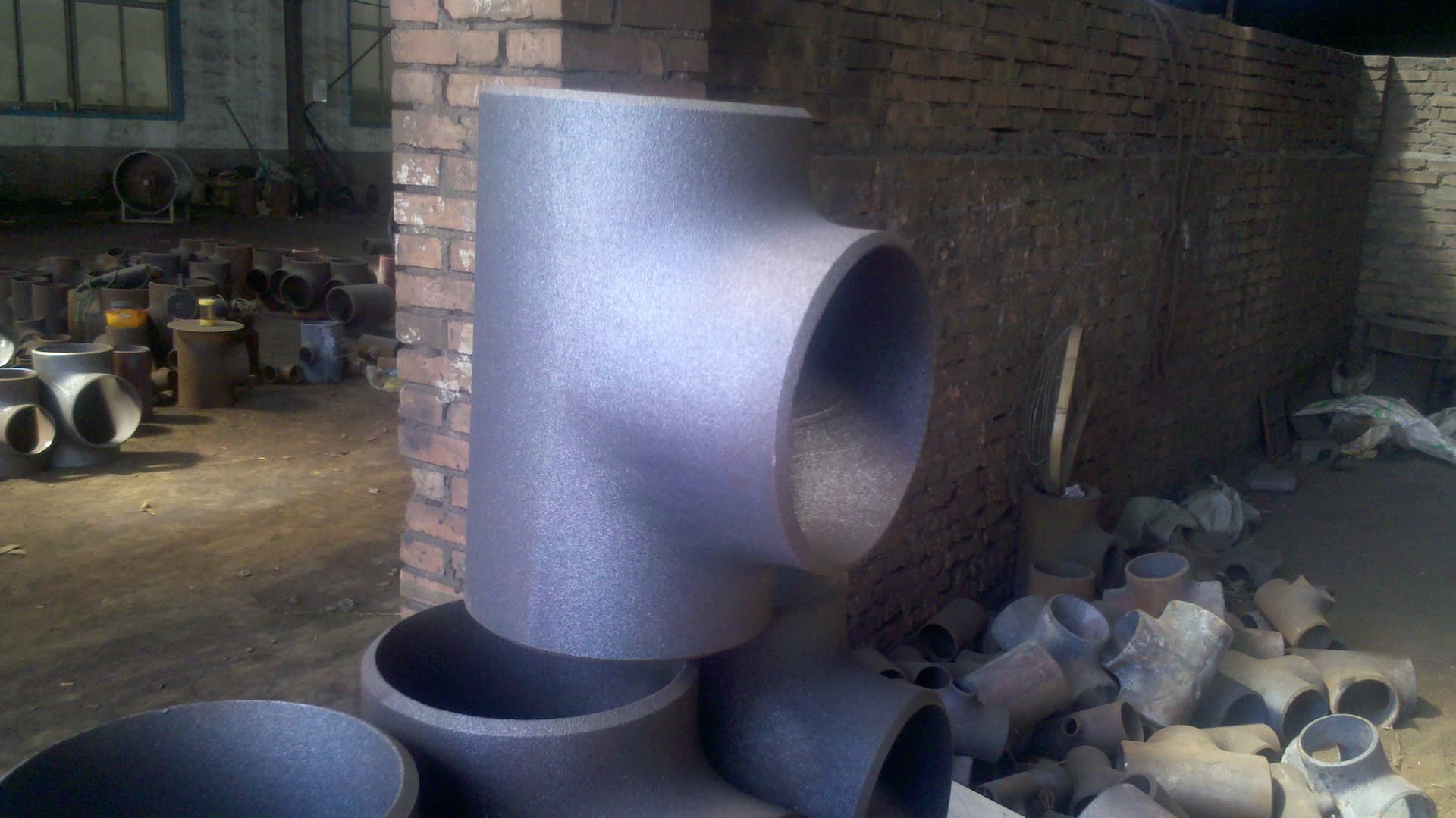
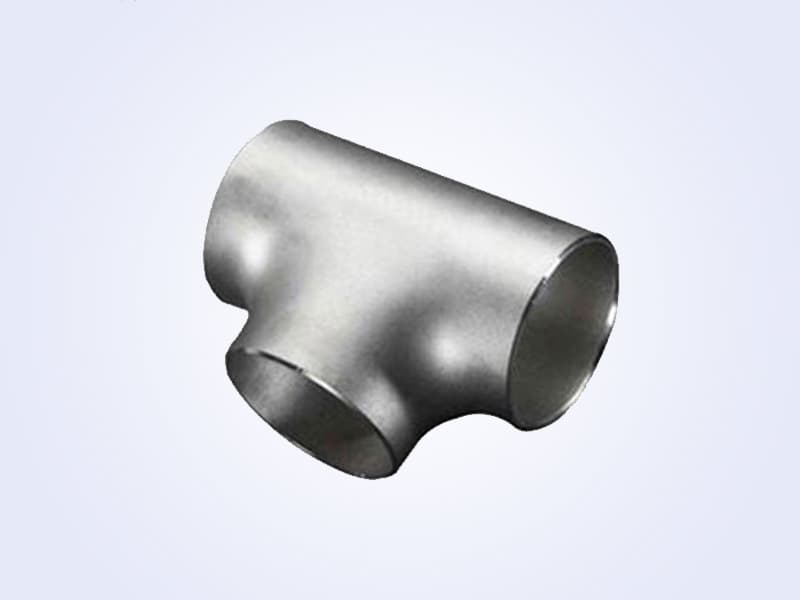
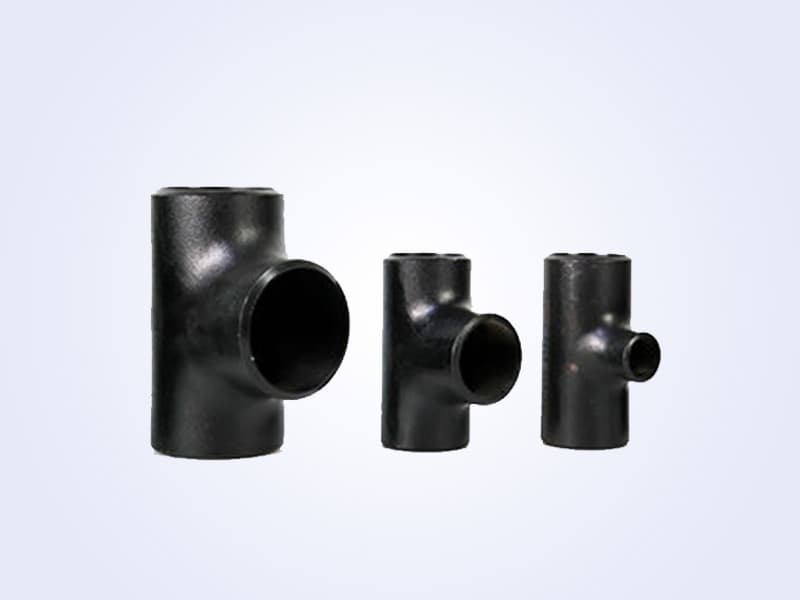
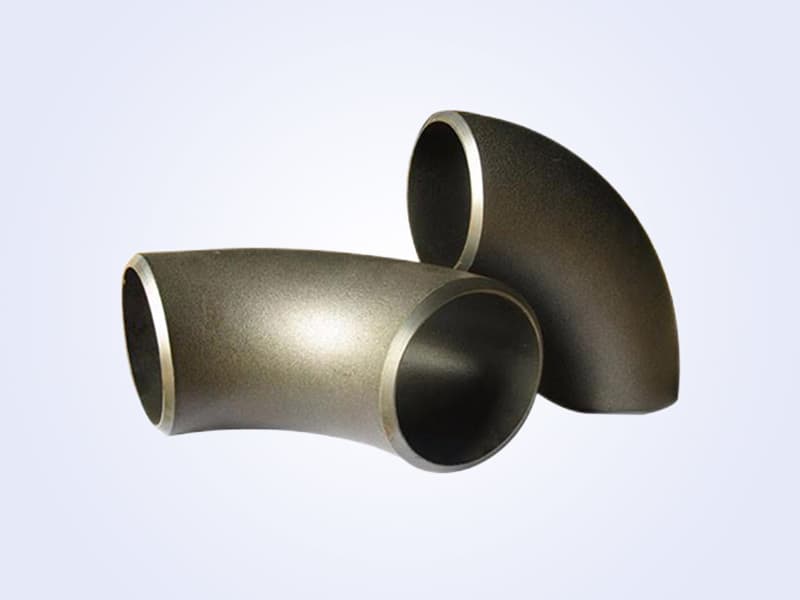
Before delving into the corrosion resistance of stainless steel butt-weld fittings, let's first understand what butt-weld fittings are. Simply put, butt-weld fittings are pipe fittings that connect two pipes together by welding. They are commonly used in environments that require high pressure and high temperature. This connection method not only provides a good seal but also effectively reduces the risk of leakage.
Basic characteristics of stainless steel
Stainless steel has superior corrosion resistance due to its unique alloy composition, especially the addition of chromium, which makes it perform well in humid and corrosive environments. Think of stainless steel as a "shield" that can resist external attacks and protect the internal structure from corrosion.
The role of chromium
Chromium acts like a superhero in stainless steel. It reacts with oxygen in the air to form a thin layer of chromium oxide. This layer acts as a protective barrier, preventing oxygen and moisture from penetrating further into the metal. Even in highly corrosive environments, this film effectively reduces the corrosion rate.