Introduction
When procuring flanges for industrial piping systems, one of the fundamental decisions is selecting between low/medium pressure flanges (often slip-on or threaded types) and weld neck flanges. Each design serves a distinct pressure-temperature envelope and installation method. For EPC engineers and procurement buyers, understanding these differences is critical to ensuring system integrity, cost-effectiveness, and compliance with project specifications.
This guide provides a practical comparison along with procurement best practices, including key standards, required inspection documents, an RFQ checklist, and common quality risks.
Key Differences
Design and Application
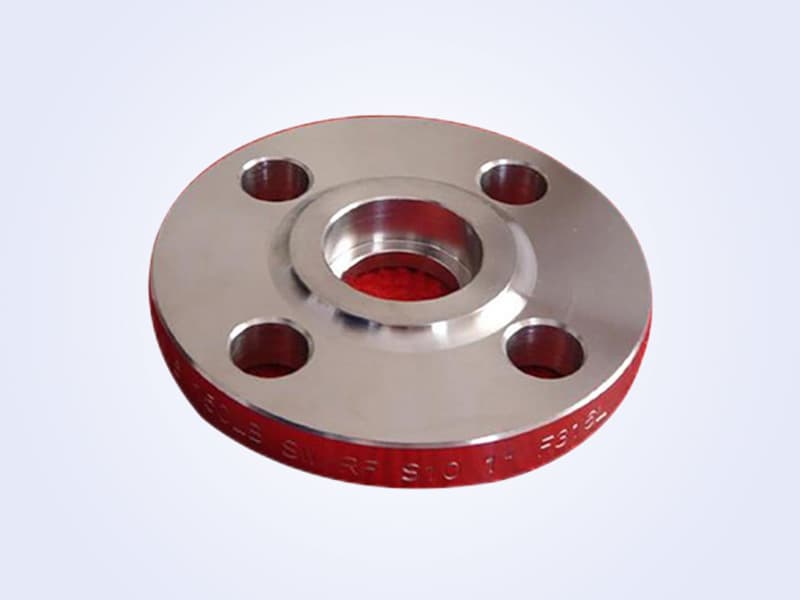
- Low/Medium Pressure Flanges: Typically manufactured from cast iron, cast steel, or forged carbon steel (ASTM A105). They are used in applications up to Class 300 (PN 50) and moderate temperatures. Common types include slip-on, threaded, and socket weld flanges. These are cost-effective and easier to install but offer lower pressure retention compared to weld necks.
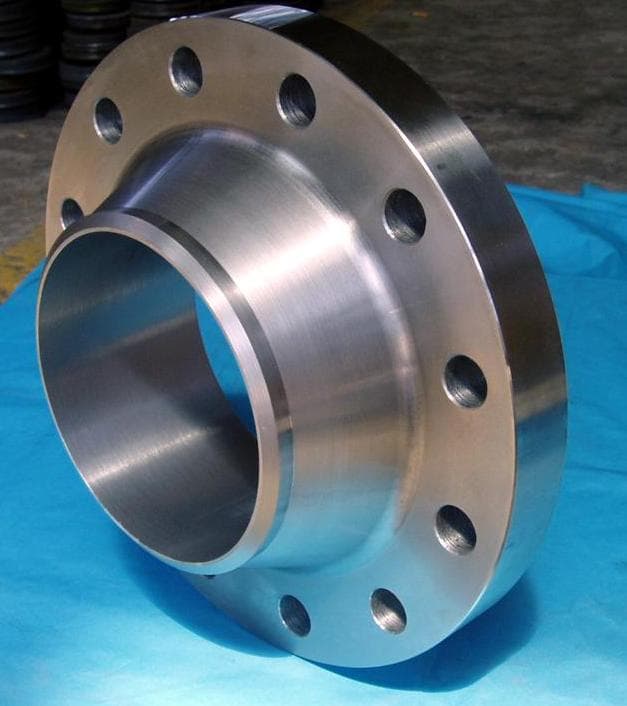
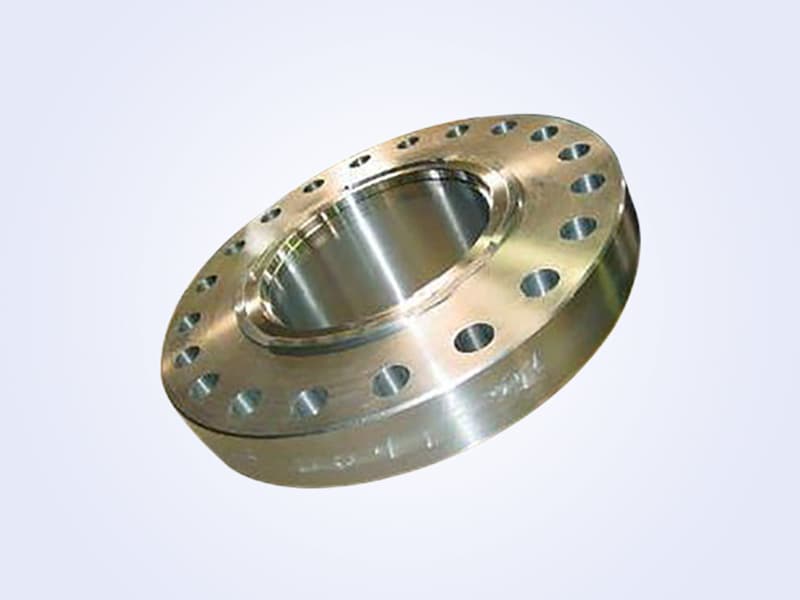
- Weld Neck Flanges: Forged from high-strength alloy or carbon steel (ASTM A182, A105). They feature a long tapered hub that transitions to the pipe, allowing for full-penetration butt welding. Weld necks are rated from Class 300 through Class 2500 (PN 50 to PN 420) and are essential for high-pressure, high-temperature, or cyclic services in oil & gas, petrochemical, and power generation.