Introduction
Wind power projects demand high-quality flanges that can withstand harsh environmental conditions, cyclic loads, and extreme temperatures. As a procurement engineer, selecting the right flanges is critical to the safety and longevity of wind turbine towers, nacelles, and substations. This guide outlines the essential factors to consider when sourcing flanges for wind energy applications, from material specifications to inspection documentation.
Standards to Confirm
Before issuing an RFQ, ensure your supplier complies with relevant international and industry standards. Common standards for flanges used in wind power include:
- ASME B16.5: Pipe flanges and flanged fittings for nominal pipe sizes up to NPS 24.
- ASME B16.47: Large diameter steel flanges (NPS 26 through NPS 60).
- EN 1092-1: European standard for flanges, often used in onshore wind farms.
- DIN/ISO Standards: Depending on project location, DIN 2633, DIN 2642, or ISO 7005 may apply.
- Material Standards: ASTM A105 (carbon steel), ASTM A694 (high-strength carbon steel for high-pressure service), ASTM A182 (alloy and stainless steel).
For wind turbine tower flanges, material strength and toughness at low temperatures are paramount. Confirm if the flange must meet Charpy V-notch impact test requirements per ASTM A370 or EN 10045.
Material Selection for Wind Turbine Flanges
Wind turbine flanges are typically made from forged carbon steel or low-alloy steel due to their high strength and fatigue resistance. Common materials include:
- ASTM A105N: Normalized carbon steel for general service.
- ASTM A694 F52/F60/F65: High-strength carbon steel for high-pressure and large-diameter flanges used in tower connections.
- ASTM A350 LF2: Low-temperature carbon steel for colder climates.
- Stainless steels (316L, 304L): For corrosive environments like offshore wind farms.
Always request material test certificates (MTC) per EN 10204 3.1 or 3.2, and verify chemical composition and mechanical properties.
Key Inspection Documents
When ordering flanges for wind power, procure the following quality documents:
- Material Test Reports (MTRs): Certifying chemical analysis and mechanical properties.
- Heat Treatment Charts: For normalized, quenched and tempered, or stress-relieved flanges.
- NDT Reports: Ultrasonic testing (UT) to detect internal flaws, magnetic particle (MT) or dye penetrant (PT) for surface defects.
- Dimensional Inspection Report: Confirming flange dimensions per standard (e.g., hub thickness, bolt circle diameter).
- Hardness Test Reports: Especially for flanges in sour service (NACE MR0175).
- Positive Material Identification (PMI): Ensuring alloy composition matches specification.
Quality Risks in Flange Manufacturing
Common quality issues to watch for:
- Porosity and inclusions: Can cause leaks under cyclic loading.
- Improper heat treatment: Leading to insufficient hardness or toughness.
- Dimensional deviations: Bolt holes misaligned or flange face flatness out of tolerance.
- Surface defects: Laps, cracks, or seams from forging.
Mitigate risks by:
- Auditing the manufacturer’s quality management system (ISO 9001, API Q1).
- Requiring third-party inspection (e.g., SGS, Bureau Veritas) before shipment.
- Specifying acceptance criteria in the purchase order.
RFQ Checklist for Wind Power Flanges
When requesting quotations, include the following information:
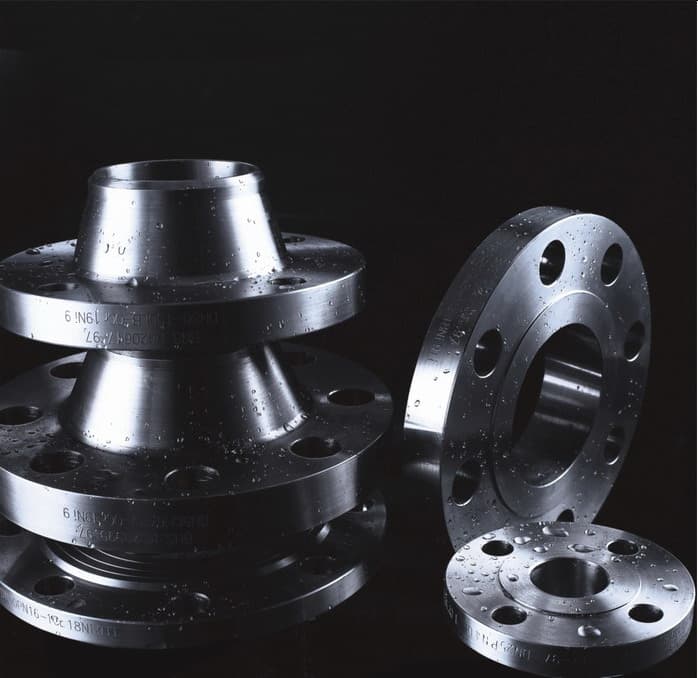
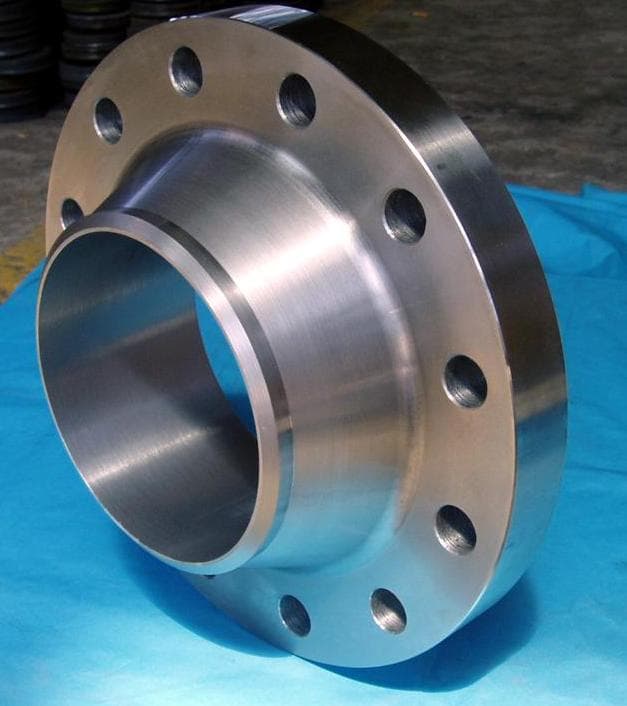
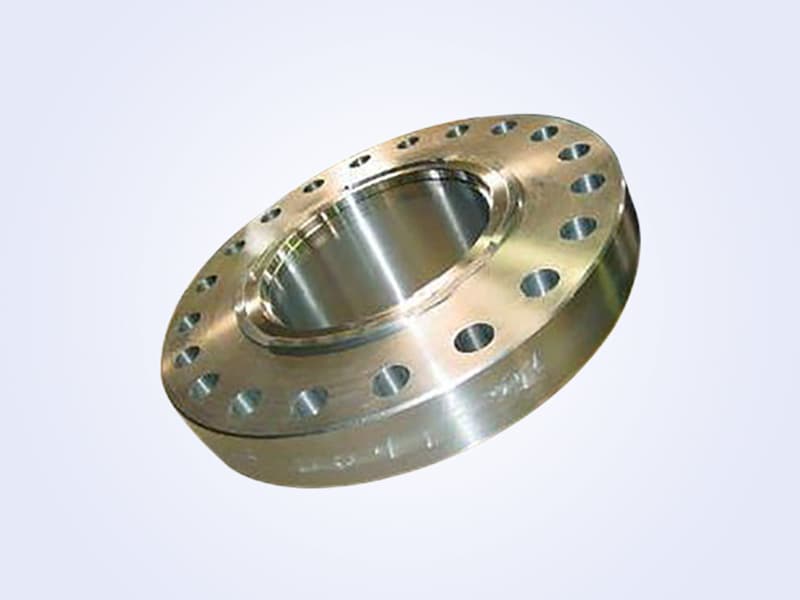
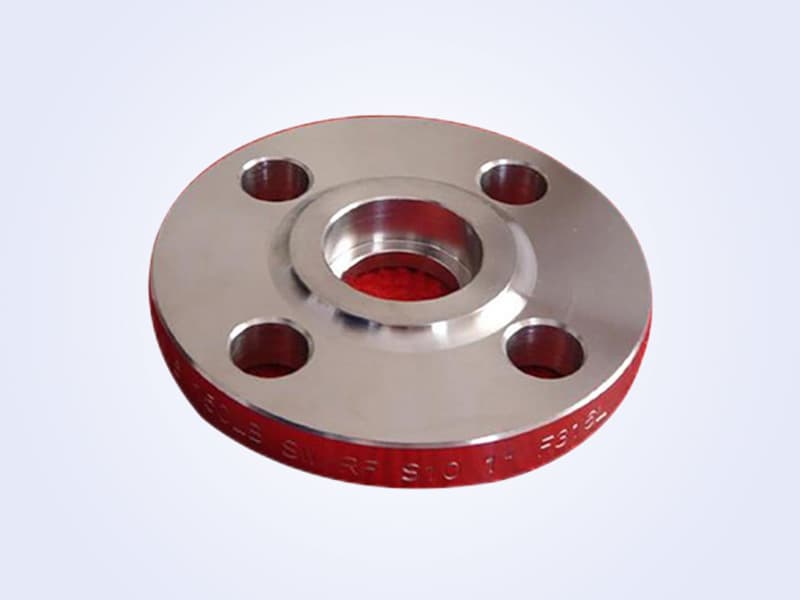
- Flange type: Weld neck, slip-on, blind, or custom.
- Nominal size and pressure class: e.g., NPS 24, Class 300.
- Standard: ASME B16.5, B16.47, EN 1092-1, etc.
- Material grade: Specify standard and grade (e.g., ASTM A105N).
- Quantity and delivery schedule: Include project milestones.
- Special requirements: Low-temperature toughness, NACE compliance, coating (galvanized, epoxy).
- Inspection and testing: Request NDT levels, witness points.
- Documentation: Certificates, traceability, packing list.
Provide a detailed technical datasheet with the RFQ to avoid misunderstandings.
What to Send Before Quotation
To get accurate pricing and lead times, supply:
- Engineering drawings or sketches: For non-standard flanges.
- Project specifications: Any client-specific requirements.
- Preferred steel mills or approved manufacturer list: Often imposed by wind turbine OEMs.
- Logistical details: Destination port, incoterms, packaging requirements.
Conclusion
Procuring flanges for wind power projects requires attention to standards, material selection, and quality assurance. By following the guidelines above, you can ensure that the flanges you purchase meet the rigorous demands of wind turbine installations. A reliable manufacturer with a track record in energy sector supply will provide the necessary expertise and documentation.
Partner with Hebei Haihao Group
Hebei Haihao Group is a trusted manufacturer of industrial pipe fittings, forged flanges, and pipe bends. With experience serving wind power projects, we offer flanges manufactured to international standards, with full traceability and inspection documentation. Contact us today with your RFQ to discuss your specific requirements.
Need a quote for the products mentioned in this article?
Submit your specs and our pressure piping team will respond within one business day.
Send RFQRelated reading
 Buyer guide
How to Review WPS, PQR and Welder Qualification Documents
A practical guide for EPC engineers and procurement managers on reviewing welding procedure specifications (WPS), procedure qualification records (PQR), and welder certificates, with key checks and common pitfalls.
 Buyer guide