Introduction
Forged pipe fittings play a critical role in building construction, from water supply and drainage systems to structural supports in high-rise buildings. Their enhanced strength, corrosion resistance, and dimensional accuracy make them a preferred choice for demanding applications. However, sourcing these components requires careful attention to standards, material grades, and quality assurance. This guide provides a practical framework for procurement engineers and industrial buyers to evaluate and purchase forged pipe fittings for building projects.
What Are Forged Pipe Fittings?
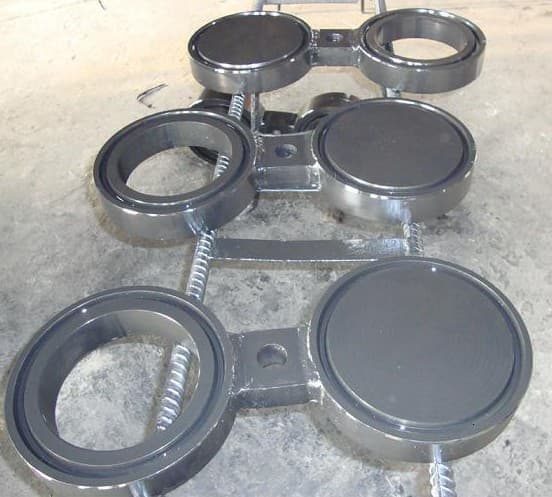
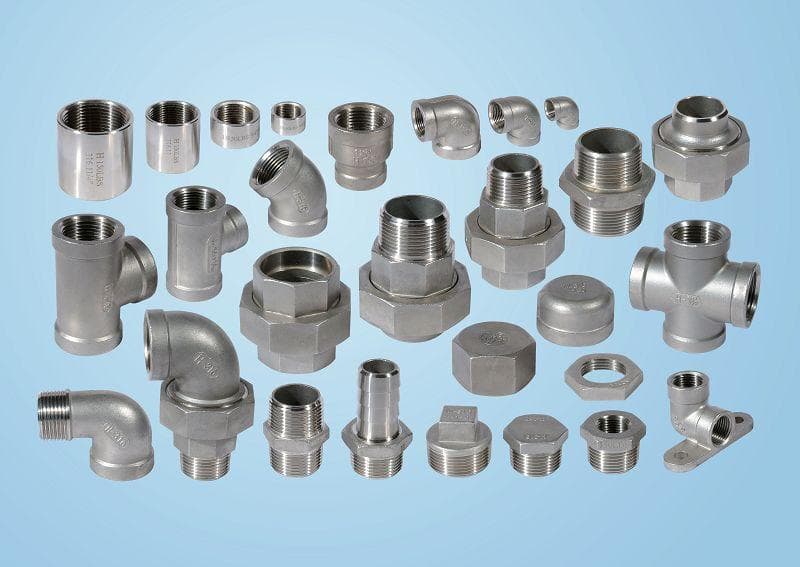
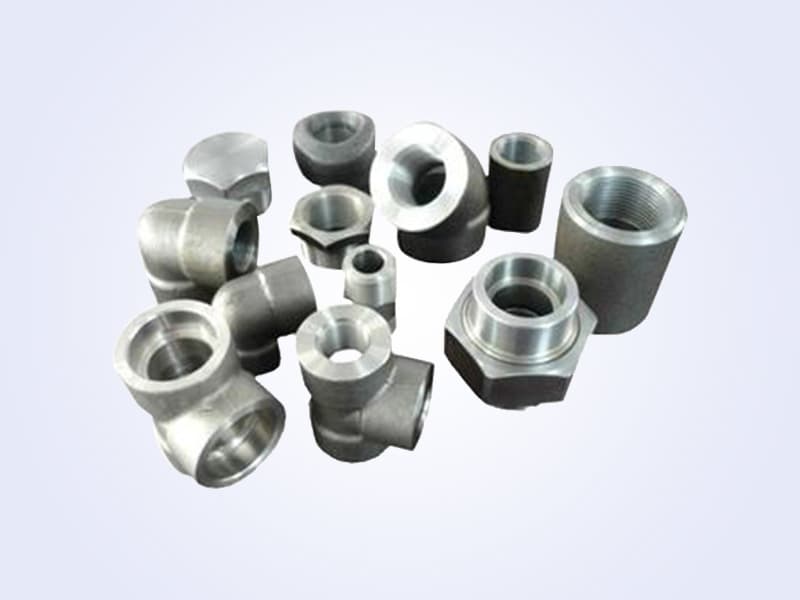
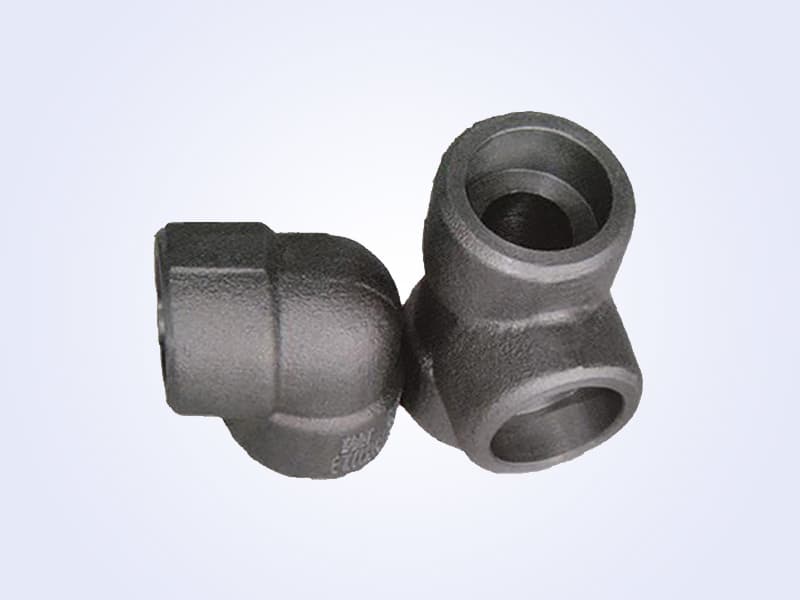
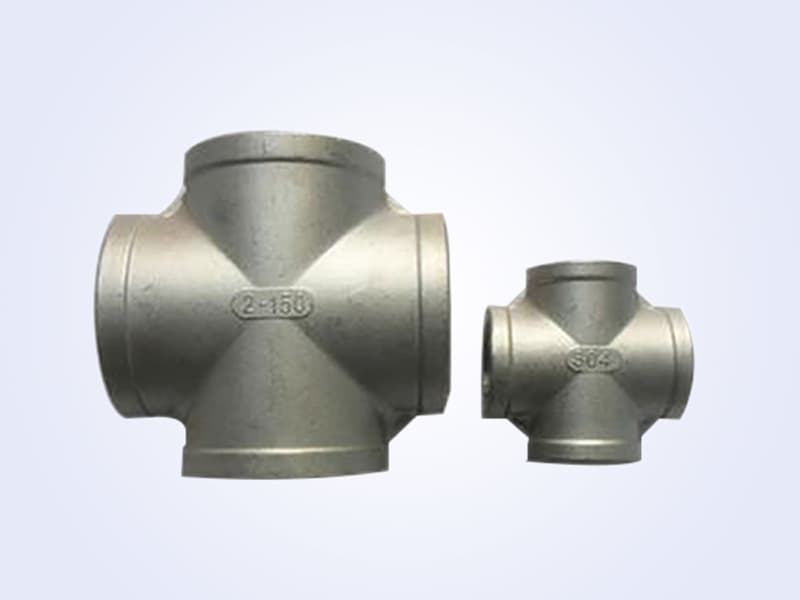
Forged pipe fittings are manufactured through a forging process that shapes metal under high pressure, improving the grain structure and mechanical properties. Common materials include carbon steel, stainless steel, and alloy steel. In buildings, they are used in pressure piping systems (water, gas, heating) and as load-bearing connectors in stairways, railings, and balconies.
Key Standards to Confirm
When procuring forged pipe fittings, verify compliance with the following international standards:
- ASME B16.11 – Forged fittings (socket-weld and threaded) for pressure piping