Introduction
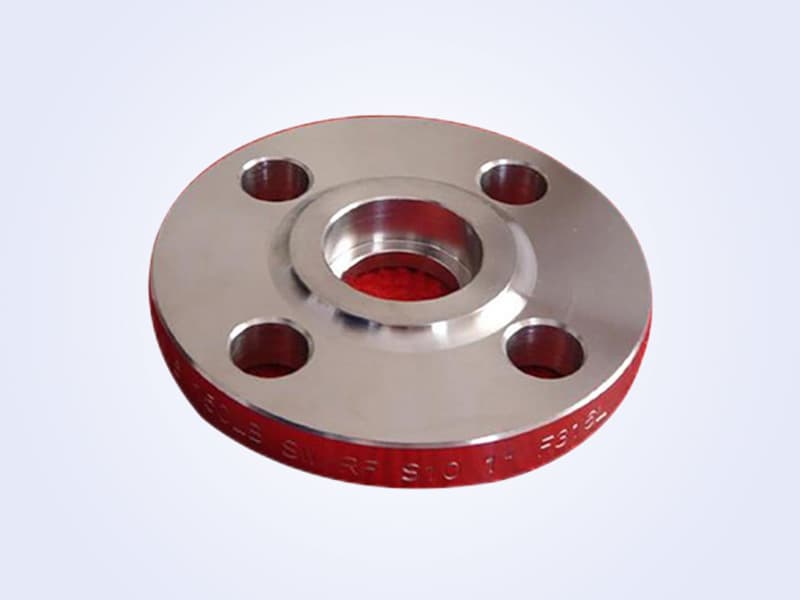
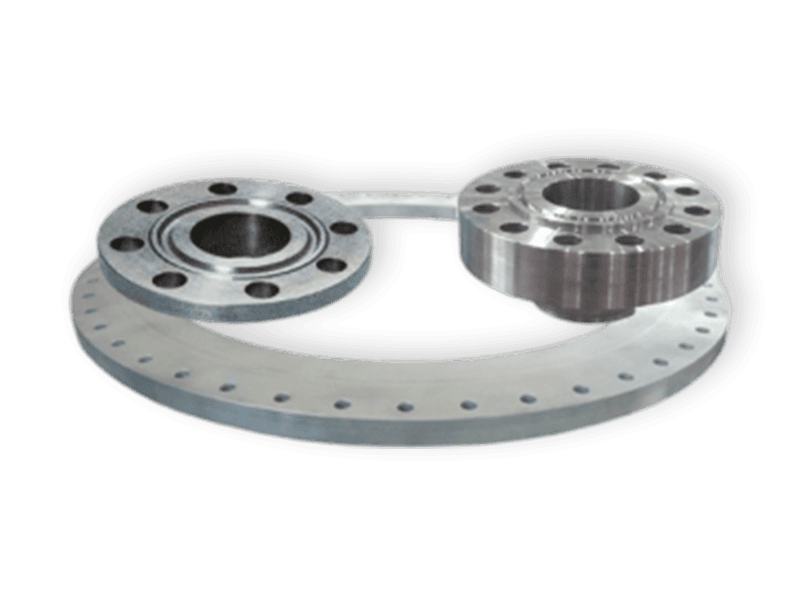
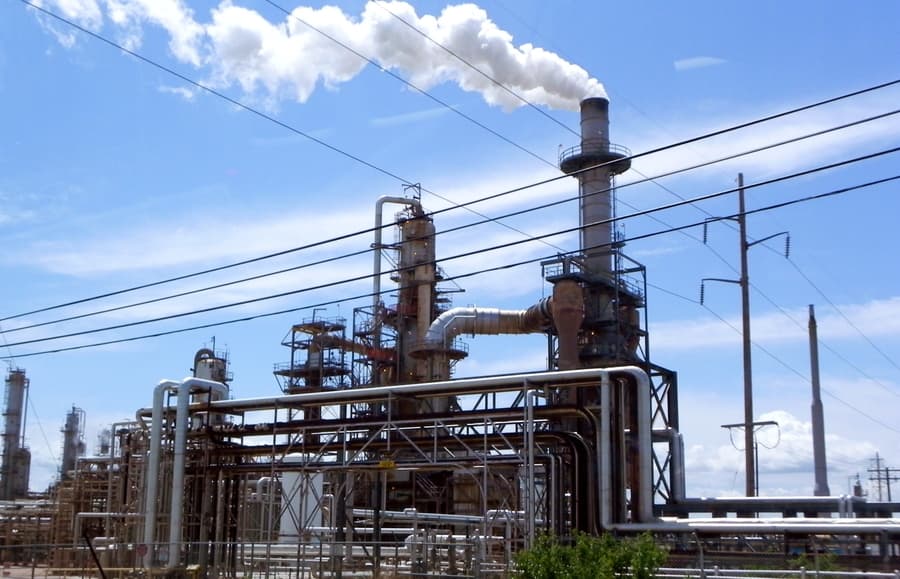
High-pressure flanges are critical components in industries such as oil and gas, petrochemical, and power generation. Their failure can lead to costly downtime or safety incidents. Procurement engineers must ensure that the flanges they source meet strict design, material, and testing standards. This guide provides a practical framework for evaluating and purchasing high-pressure flanges from a manufacturer like Hebei Haihao Group.
Key Standards to Confirm
Before issuing an RFQ, confirm which standard applies to your project. Common standards for high-pressure flanges include:
- ASME B16.5: For flanges up to Class 2500 (PN 420). Covers dimensions, tolerances, and pressure-temperature ratings.
- ASME B16.47: For large-diameter flanges (Series A and B).
- API 6A: For wellhead and Christmas tree equipment (typically higher pressure ratings).
- EN 1092-1: European standard for flanges.
- JIS B2220: Japanese standard for steel pipe flanges.
Always specify the standard and class (e.g., Class 1500) in your RFQ.
Essential Inspection Documents
A reputable manufacturer should provide the following documents with each batch:
- Material Test Report (MTR) confirming chemical composition and mechanical properties.
- Certification of Compliance to the specified standard.
- Heat treatment records (if required).
- Non-Destructive Testing (NDT) reports such as ultrasonic (UT) or magnetic particle (MT) inspection.
- Dimensional inspection report.
- Pressure test certificate if hydrostatic testing is required.
Request these documents upfront to avoid delays.
RFQ Checklist for High-Pressure Flanges
When preparing a request for quotation, include the following:
- Standard and class (e.g., ASME B16.5 Class 1500).
- Size and schedule (e.g., 6" Sch 40, or nominal pipe size).
- Material specification (e.g., ASTM A105, A182 F304, or F11).
- Facing type (RF, RTJ, FF, etc.).
- Quantity per size.
- Required certifications and tests (e.g., 100% UT).
- Special marking or traceability requirements.
- Delivery schedule and incoterms.
Providing clear information helps the manufacturer quote accurately and reduces the risk of mismatch.
Quality Risks to Avoid
- Incorrect material grade: High-pressure flanges must match the piping material to avoid galvanic corrosion or strength issues.
- Improper heat treatment: Flanges for high-pressure service often require normalization or quenching and tempering.
- Dimensional non-conformance: Even minor deviations in bolt circle diameter or facing finish can cause leaks.
- Counterfeit or substandard NDT reports: Always verify reports with independent testing if possible.
What to Send Before Quotation
To get an accurate quote from Hebei Haihao Group, provide:
- Complete specification (as per RFQ checklist).
- Any special requirements (e.g., traceability to melt).
- Desired lead time and quantity.
- Project end-use (to recommend suitable material or facing).
This saves time and ensures the quote reflects your true needs.
Why Choose a Specialized Manufacturer
Manufacturers like Hebei Haihao Group focus exclusively on high-pressure flanges and pipe fittings. Their experience means they understand the nuances of material selection, heat treatment, and machining for high-stress applications. They also maintain rigorous quality control and can often provide faster turnaround than general fabricators.
Conclusion
Sourcing high-pressure flanges requires careful attention to standards, materials, and quality assurance. By following the checklist and asking for the right documents, you can minimize risks and ensure a reliable supply. Contact Hebei Haihao Group for your next project.
Request a Quote
Ensure your high-pressure flanges meet the highest standards. Contact Hebei Haihao Group with your specifications for a prompt and accurate quotation.
Need a quote for the products mentioned in this article?
Submit your specs and our pressure piping team will respond within one business day.
Send RFQRelated reading
Procurement Guide: How to Specify Forged Pipe Fittings and Flanges for Medium and Low Pressure Applications
A practical guide for procurement engineers on specifying forged pipe fittings and flanges, including material selection, standards, inspection documents, and RFQ best practices.