Introduction
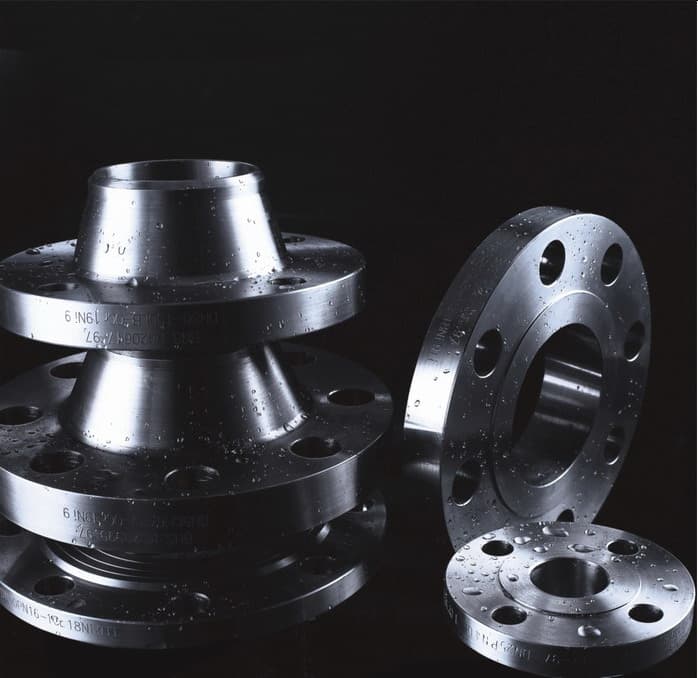
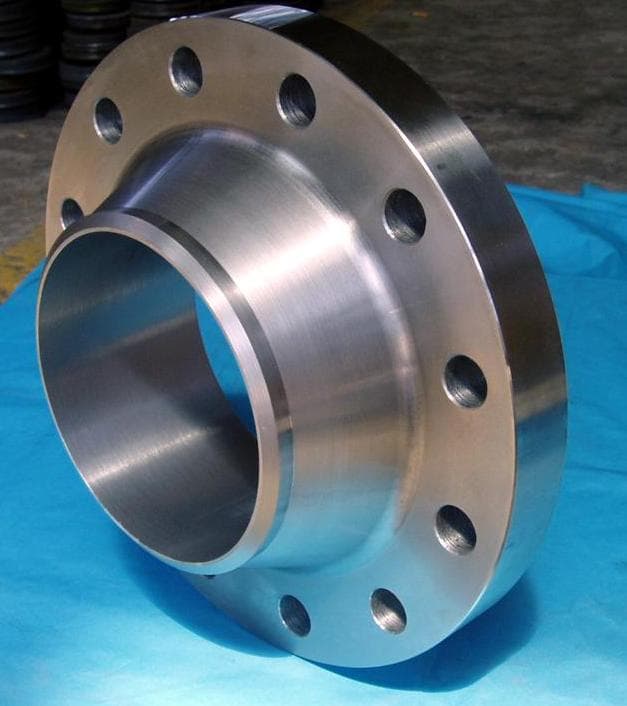
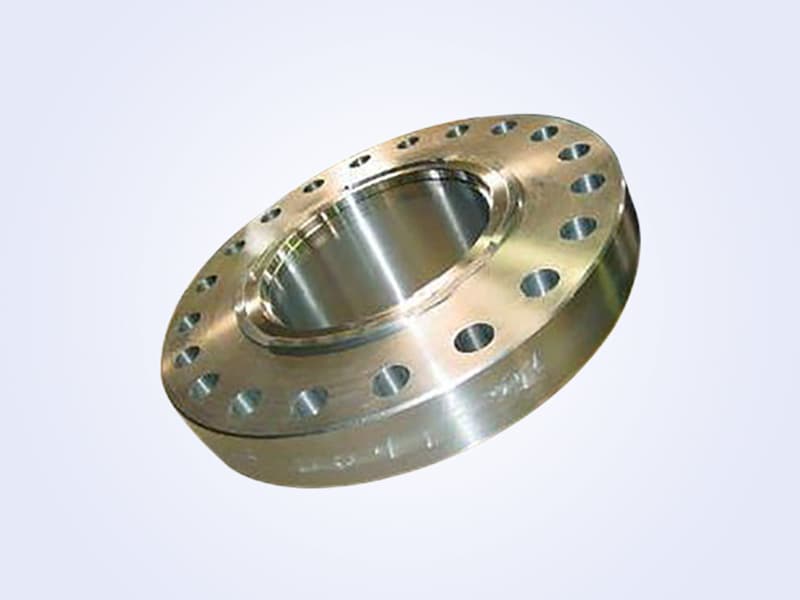
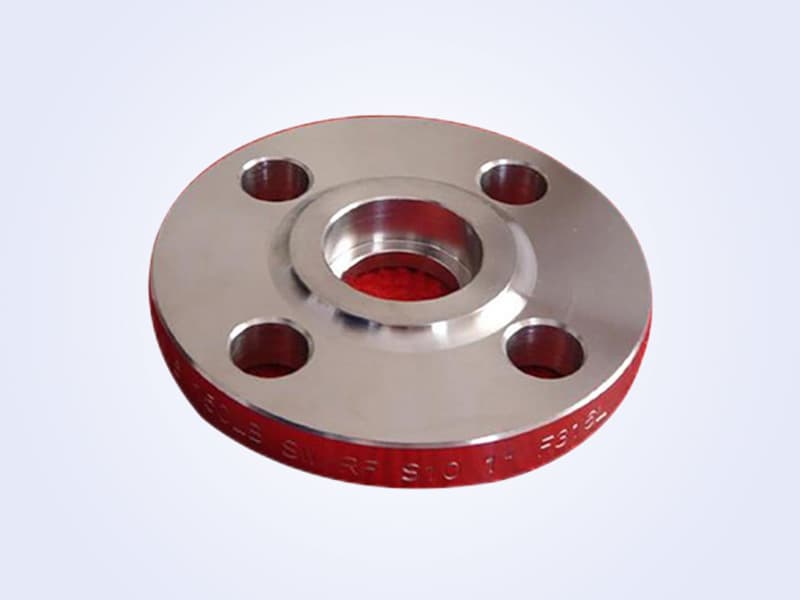
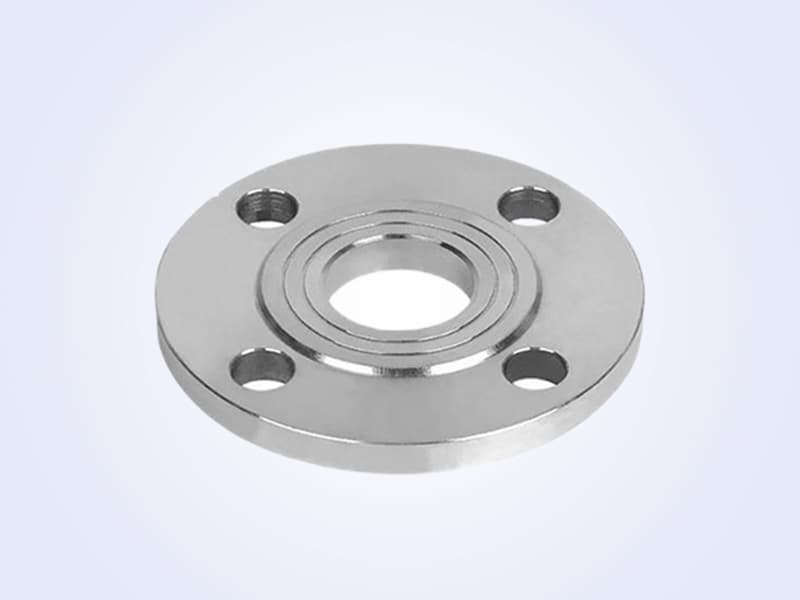
Stainless steel flanges have become a preferred choice in industrial piping systems for their corrosion resistance, high temperature tolerance, and mechanical strength. For procurement engineers and project managers, selecting the right stainless steel flange is critical to ensuring system reliability, safety, and longevity. This guide provides a practical framework for evaluating and sourcing stainless steel flanges for high-pressure and high-temperature applications.
Key Advantages of Stainless Steel Flanges
Stainless steel flanges offer several benefits over carbon steel or other alloy flanges:
- Corrosion resistance: Alloying elements like chromium and nickel form a passive oxide layer that resists rust and chemical attack, ideal for corrosive environments (chemical plants, offshore, water treatment).
- High-temperature performance: Austenitic grades (e.g., 304, 316) retain strength and oxidation resistance up to about 800°C (1472°F) in continuous service.
- Strength and durability: Stainless steel flanges can withstand high pressures and mechanical loads without deformation or leakage.