Introduction
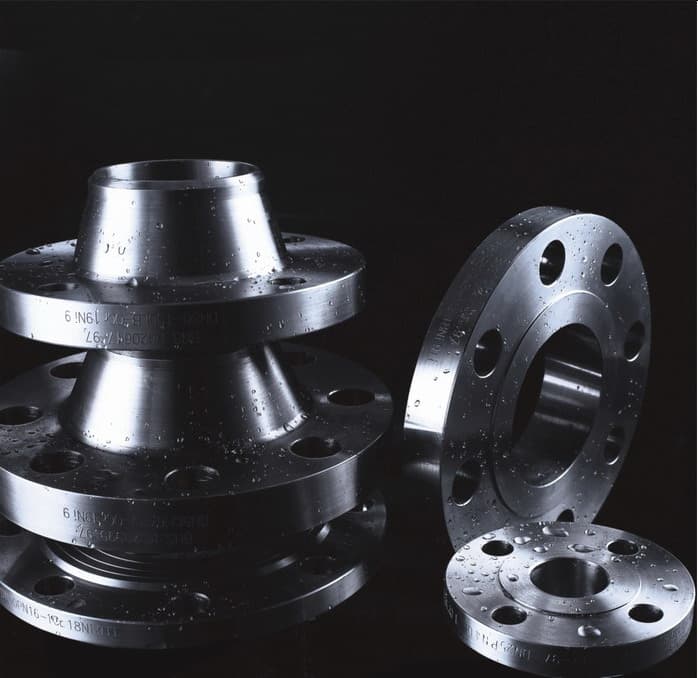
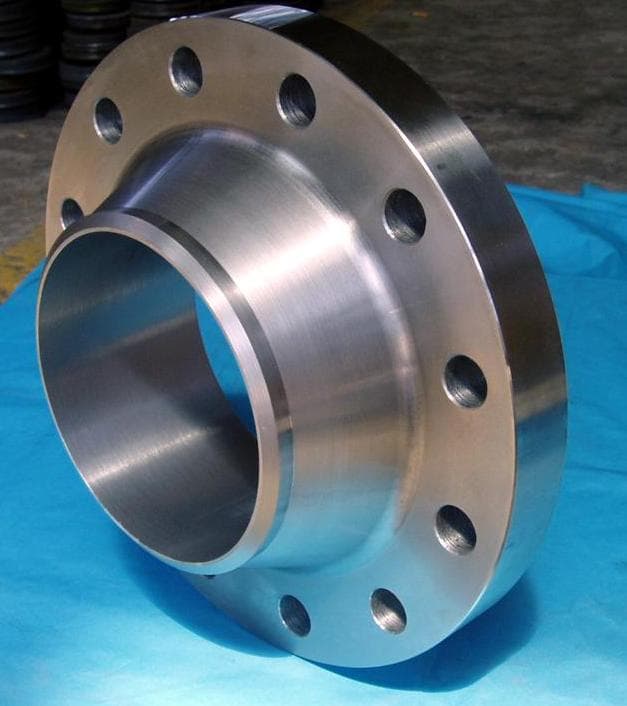
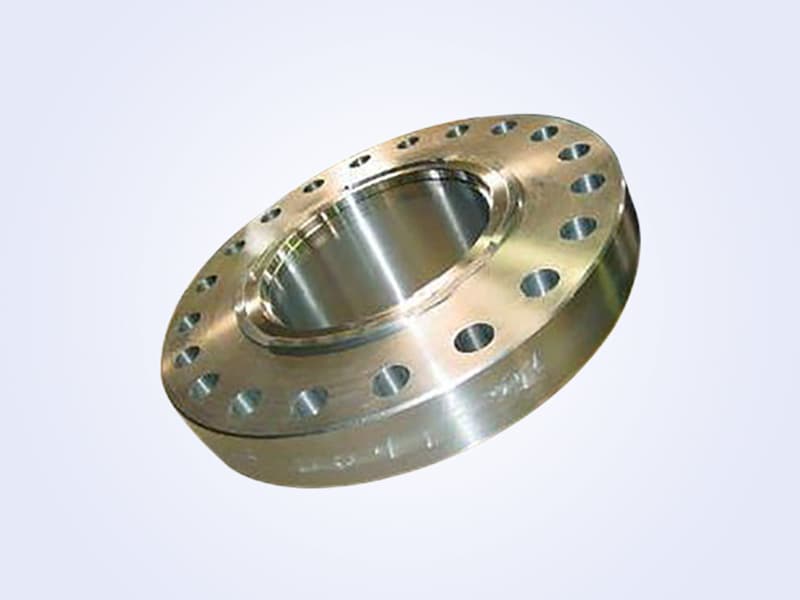
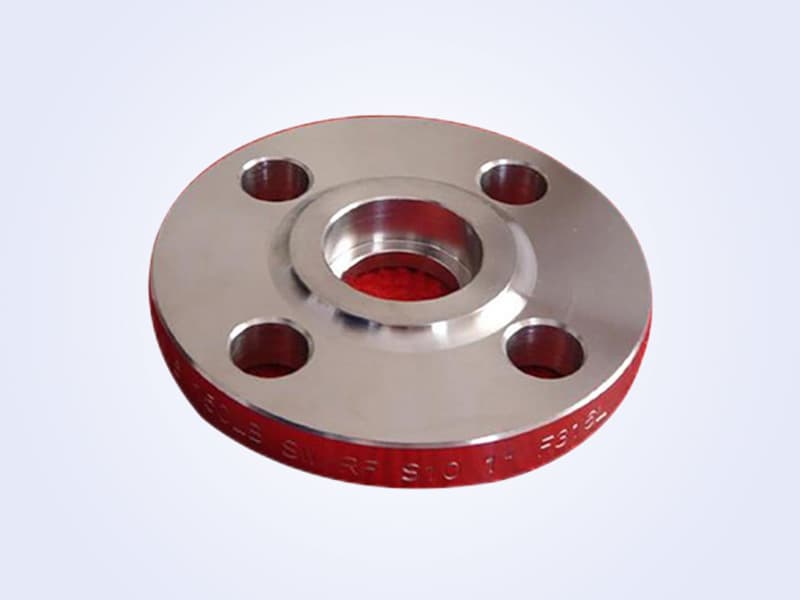
Welded neck flanges (WNF) are a critical component in high-pressure and high-temperature piping systems. Unlike slip-on or threaded flanges, the welded neck design features a tapered hub that distributes stress and allows for smooth fluid flow. For procurement engineers selecting these flanges for petrochemical, power, or offshore projects, understanding the key specifications, standards, and quality risks is essential to avoid rework and downtime.
This guide focuses on the practical aspects of purchasing welded neck flanges – from confirming material certificates to preparing a clear RFQ. Whether you source from Hebei Haihao Group or another manufacturer, these steps will help ensure the flanges meet your project requirements.
Standards to Confirm
Welded neck flanges must comply with international dimensional and pressure-temperature standards. The most common are:
- ASME B16.5: Covers flanges from NPS 1/2″ to 24″ for Classes 150 through 2500.
- ASME B16.47: Large-diameter flanges (NPS 26″ to 60″) Series A and B.
- EN 1092-1: European standard for flanges with PN ratings.
- API 605: Large-diameter carbon steel flanges (obsolete but still referenced in some projects).
Always specify the standard and the facing type (raised face, flat face, ring joint) in your order. For critical services, also confirm that the flange meets the material specification of the attached pipe (e.g., ASTM A105 for carbon steel, ASTM A182 F316L for stainless steel).
Inspection Documents Required
To ensure traceability and compliance, request the following documents from the manufacturer:
- Material Test Certificates (MTC) per EN 10204 3.1 or 3.2 – showing chemical composition and mechanical properties.
- Heat treatment charts – if normalization or quenching and tempering is required.
- Positive Material Identification (PMI) report – for alloys and stainless steel to verify grade.
- Hydrostatic test certificate – confirming flange pressure rating.
- Visual and dimensional inspection reports – including bore diameter, face flatness, and bolt hole alignment.
- Third-party inspection certificate – if specified by the project (e.g., Lloyds, DNV, TÜV).
For high-integrity services (e.g., sour gas), consider additional requirements like Charpy V-notch impact testing and hardness testing.
RFQ Checklist: What to Include
A complete RFQ reduces lead time and avoids misunderstandings. Include at least the following:
- Quantity and size (NPS / DN and schedule of connecting pipe)
- Pressure class (e.g., Class 150, 300, 600, 900, 1500, 2500)
- Standard and edition (e.g., ASME B16.5-2020)
- Material grade (e.g., ASTM A105, A182 F304, A182 F316L)
- Facing type (RF, FF, RTJ) and finish (serrated, smooth)
- Hub dimensions (if non-standard)
- Packaging requirements (plywood cases, steel crates, rust-proof coating)
- Delivery terms (FOB, CIF, EXW)
- Certification requirements (full traceability, third-party inspection)
Attach a sketch or refer to a standard drawing if the flange has special bore dimensions or modified hub length.
Quality Risks to Watch For
Common issues with welded neck flanges include:
- Incorrect bore size: The bore must match the pipe inside diameter – a mismatch leads to welding problems and flow restriction.
- Wrong facing finish: A serrated finish is standard for raised-face flanges; a smooth finish may cause gasket leakage.
- Poor hub taper: The hub must provide gradual stress transition; sharp corners can lead to cracking under thermal cycling.
- Mixed material heats: Flanges from different melts may have slight variations in hardness, affecting galling resistance in bolting.
- Lack of heat treat documentation: For flanges above Class 600, post-weld heat treatment is often required.
Request a quality plan from the manufacturer listing hold points for inspection.
What to Send Before Quotation
To receive an accurate quotation from Hebei Haihao Group or any supplier, provide:
- A clear technical datasheet (as listed above)
- Applicable code or project specification (e.g., “ASTM A105, ASME B16.5 Class 300 raised face, serrated finish, NPS 4, Schedule 40”)
- Any special testing requirements (e.g., PMI 100%, hydrotest, UT)
- Quantity and target delivery date
- Delivery incoterm and destination port (if applicable)
A complete RFQ helps the manufacturer suggest cost-effective solutions – such as standard stock sizes versus custom fabrication – and reduces the chance of revision cycles.
Why Choose Hebei Haihao Group for Welded Neck Flanges
Hebei Haihao Group is an experienced manufacturer of forged flanges, pipe fittings, and piping packages. With advanced CNC machining, heat treatment facilities, and in-house testing capabilities, they produce welded neck flanges in carbon steel, stainless steel, and alloy steel. Their quality management system ensures compliance with international standards, and they can provide full certification packages including third-party inspection reports.
For your next procurement of welded neck flanges, submit a detailed RFQ to Hebei Haihao Group and receive a prompt, competitive quotation.
Need a quote for the products mentioned in this article?
Submit your specs and our pressure piping team will respond within one business day.
Send RFQRelated reading
How to Procure Flanges for Wind Power Projects: A Buyer's Guide
Learn the key considerations when sourcing flanges for wind turbine installations, including standards, materials, inspection documents, and RFQ best practices.