ASTM A815 Duplex Stainless Fittings: WP and CR Class Meanings
Understand the WP and CR classes in ASTM A815 for duplex stainless fittings, including subclasses WP-S, WP-W, WP-WX, and WP-WU, and how they affect procurement and inspection.
October 15, 2026·7 min read·Hebei Haihao Group
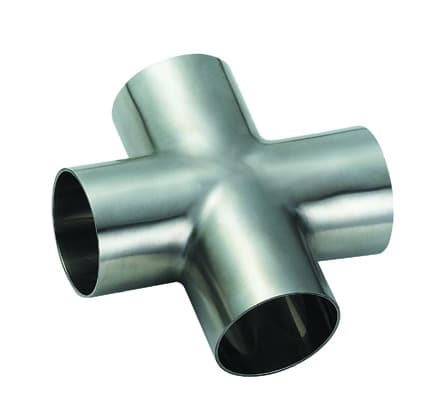
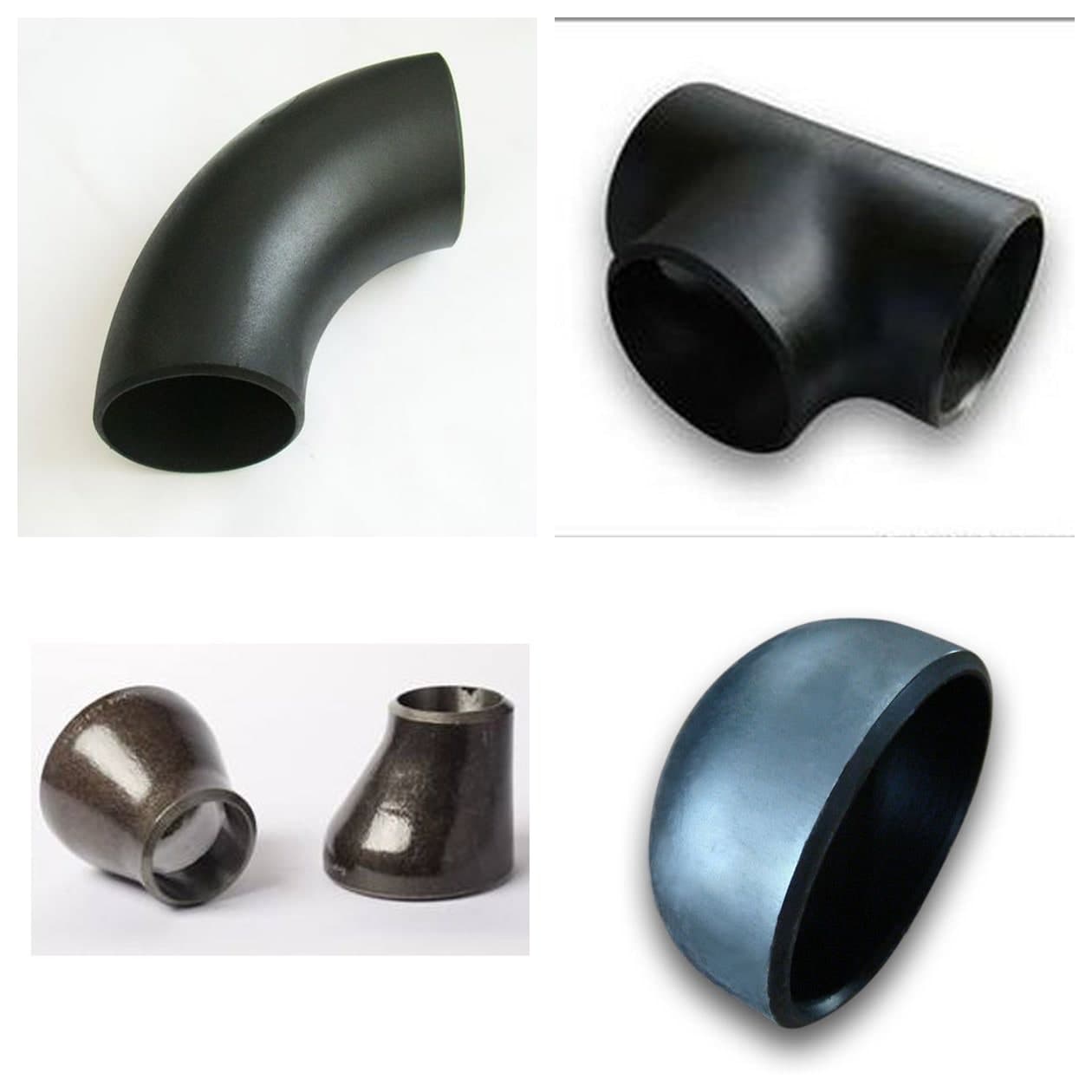
不锈钢四通.jpg
Introduction to ASTM A815
ASTM A815/A815M is the standard specification for wrought ferritic, ferritic/austenitic (duplex), and martensitic stainless steel piping fittings. It covers fittings of seamless and welded construction, and it is a key document for EPC engineers and procurement managers sourcing duplex stainless fittings for corrosive or high-pressure services.
The standard defines two general classes: WP and CR. These class designations are not alloy grades; they describe the manufacturing and examination requirements of the fitting. Understanding them is essential for specifying the correct product and for verifying that what you receive meets your project's needs.
WP Class: Four Subclasses
Class WP fittings are manufactured to the requirements of ASTM A960/A960M, which is the general requirements standard for wrought steel fittings. WP is subdivided into four subclasses, each with a distinct marking and examination level:
WP-S: Fittings manufactured from seamless product by a seamless method. This means the fitting itself has no longitudinal or circumferential welds. The marking is WP-S
WP-W: Fittings that contain welds where the fitting fabrication or construction welds have been radiographed. This subclass allows welds, but they must be radiographed (RT) to the acceptance criteria of the standard. Marking: WP-W.
WP-WX: Fittings that contain welds where all welds have been radiographed. This is a more stringent requirement than WP-W, as every weld must be examined. Marking: WP-WX.
WP-WU: Fittings that contain welds where all welds have been ultrasonically tested (UT). This is an alternative to full radiography, using ultrasonic examination instead. Marking: WP-WU.
It is important to note that the class symbol does not replace the alloy grade. For duplex stainless fittings, you must also specify the grade, such as UNS S31803 or S32205 (2205), or S32750 (2507), depending on your service requirements.
CR Class: MSS SP-43
Class CR fittings are manufactured to the requirements of MSS SP-43, which is the standard for wrought stainless steel butt-welding fittings for low-pressure, corrosion-resistant applications. These fittings are typically used in non-critical, low-pressure services where the more stringent requirements of ASME B16.9 are not necessary.
CR fittings are not covered by ASME B16.9; they have different dimensional and pressure-rating criteria. They are often used in chemical and petrochemical plants for corrosive media at moderate pressures.
Pressure Ratings and Standards
ASTM A815 states that WP fittings shall have pressure ratings compatible with section 13.2 of the standard, while CR fittings shall have pressure ratings compatible with section 13.3. These sections reference the applicable dimensional standards:
WP fittings are generally manufactured to ASME B16.9, which covers factory-made wrought buttwelding fittings from NPS 1/2 to NPS 48. ASME B16.9 is the most common dimensional standard for high-pressure butt-weld fittings.
CR fittings are manufactured to MSS SP-43, which is for low-pressure corrosion-resistant fittings. MSS SP-43 covers sizes up to NPS 24 and is used for applications where the higher pressure ratings of B16.9 are not required.
When specifying fittings, you must indicate whether you require WP or CR, and the corresponding dimensional standard.
Heat Treatment and Material Requirements
ASTM A815 requires that all fittings undergo heat treatment, with specific cooling processes and tempering temperatures depending on the material grade. The standard also specifies chemical composition limits for elements such as carbon, manganese, phosphorus, silicon, sulfur, nickel, chromium, molybdenum, copper, nitrogen, and titanium. Mechanical properties—yield strength, tensile strength, elongation, and hardness—must conform to the specified values.
For duplex stainless fittings, the heat treatment is critical to achieve the desired ferrite-austenite balance and corrosion resistance. Buyers should verify that the manufacturer's heat treatment procedures are documented and that the final properties meet the standard.
Procurement Checks and RFQ Inputs
When preparing an RFQ for ASTM A815 duplex fittings, include the following:
Class: Specify WP-S, WP-W, WP-WX, WP-WU, or CR. If you require full radiography, choose WP-WX; if you prefer ultrasonic testing, choose WP-WU.
Alloy grade: e.g., UNS S31803, S32205, S32750, etc.
Dimensional standard: ASME B16.9 for WP, MSS SP-43 for CR.
Size, schedule, and fitting type: e.g., 6-inch, Schedule 40, 90-degree LR elbow.
Heat treatment requirements: Confirm that the manufacturer will provide heat treatment records.
Testing and inspection: Specify any additional NDT, such as PMI, hydrostatic testing, or third-party inspection.
Inspection and Documentation Points
During inspection, verify the following:
Marking: Each fitting must be marked with the class symbol (e.g., WP-S, WP-WX) and the alloy grade. Check that the marking is permanent and legible.
Material Test Certificates (MTC): Ensure the MTC includes chemical composition, mechanical properties, and heat treatment details. The certificate should reference ASTM A815 and the specific grade.
Radiographic or UT reports: For WP-W, WP-WX, or WP-WU fittings, request the NDT reports to confirm that welds were examined and met acceptance criteria.
Dimensional inspection: Verify dimensions against the applicable standard (ASME B16.9 or MSS SP-43).
Visual inspection: Check for surface defects, weld quality, and overall workmanship.
Common Risks and How to Avoid Them
Misunderstanding class symbols: Some buyers assume WP-WX means the fitting is seamless. It does not; it means all welds are radiographed. Always confirm the manufacturing method.
Using CR fittings in high-pressure service: CR fittings are for low-pressure applications. Using them in high-pressure lines can lead to failure. Always check the pressure rating.
Inadequate NDT: For critical services, ensure that the required NDT is performed and documented. Do not accept a WP-W fitting when you specified WP-WX.
Incorrect alloy grade: Duplex grades have different corrosion resistance and mechanical properties. Verify the grade on the MTC and with PMI testing if necessary.
Conclusion
ASTM A815 class designations are critical for specifying and procuring duplex stainless fittings. Understanding the differences between WP and CR, and the subclasses of WP, ensures that you receive fittings that meet your project's pressure, corrosion, and inspection requirements. Always verify the class, grade, and documentation against your purchase order.
For a wide range of pipe fittings and flanges, including duplex stainless options, visit our products page. If you have specific requirements, feel free to send an inquiry to our engineering team.
ASTM A694/A694M covers forged or rolled steel flanges, fittings, valves, and parts for high-strength transmission-service pipe. This guide explains grades, procurement checks, and inspection points for EPC buyers.
ASTM A182 covers forged low-alloy and stainless steel flanges, fittings, valves, and parts for high-temperature service. This guide explains what buyers must specify beyond the standard, including grade, heat treatment, and dimensional standards.
Oct 6, 20266 min readHebei Haihao Group
Quote in 4 hours
Products covered in this article
Sourcing any of these? Send the spec and our pressure-piping desk replies within 4 business hours.