Introduction
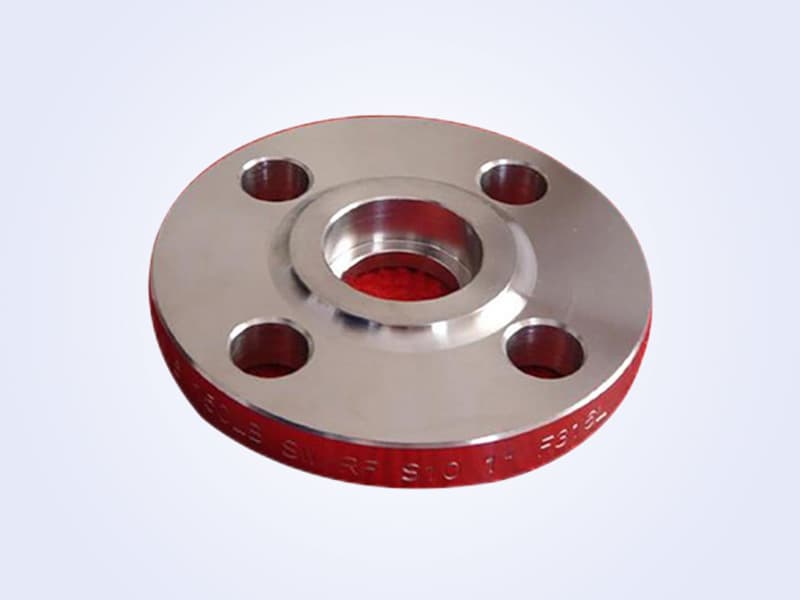
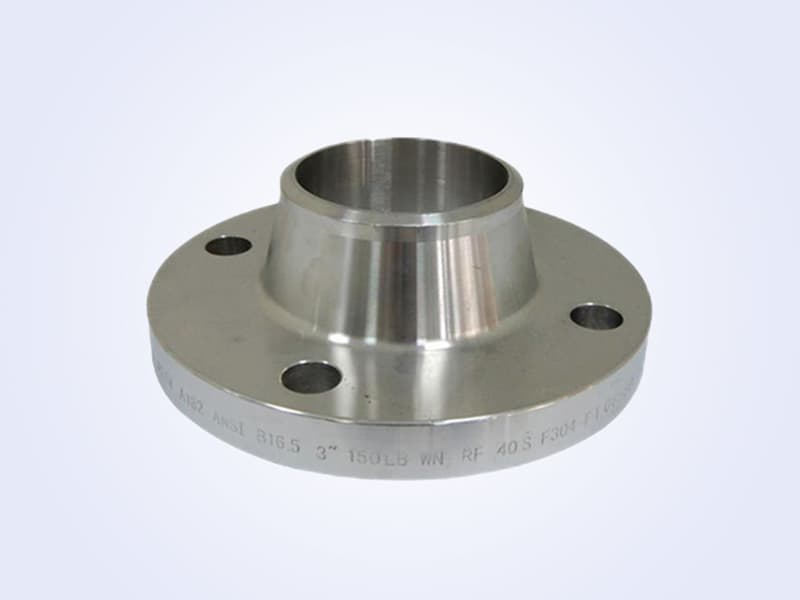
Socket welding flanges are a common choice for medium-low pressure piping systems where leak-tight joints and compact connections are required. Custom fabrication offers advantages when standard dimensions do not fit existing equipment or when material specifications deviate from catalog offerings. For procurement engineers, sourcing custom socket welding flanges involves careful attention to dimensional tolerances, material traceability, and testing documentation. This guide outlines the key factors to consider when procuring custom socket welding flanges for industrial applications.
Standards to Confirm
Before requesting a quotation, verify which design standard applies to your project. Common standards for socket welding flanges include:
- ASME B16.5 – Pipe flanges and flanged fittings for NPS 1/2 through 24
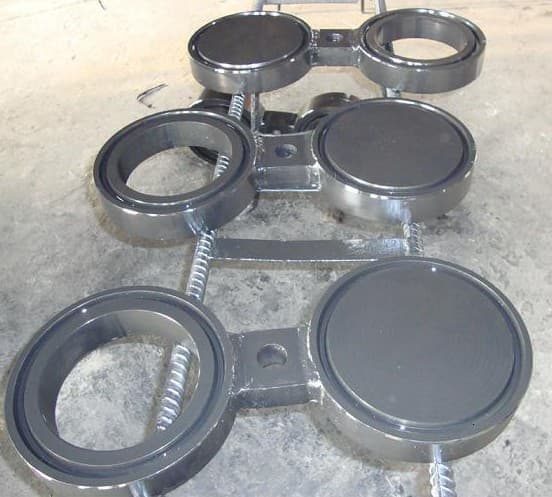
- ASME B16.48 – Line blanks (for use with socket welding flanges)
- EN 1092-1 – European standard for flanges (Type 13 for socket welding)
- JIS B2220 – Japanese standard (often used in Asia)
- GB/T 9115 – Chinese standard (for Class 150, 300, etc.)
Custom flanges must match the specified pressure-temperature rating (Class 150, 300, etc.) and face finish (raised face, ring joint, etc.). Confirm the standard with your engineering team and communicate it clearly in your RFQ.
Inspection Documentation Required
For quality assurance, request the following documents from the manufacturer:
- Material test certificates (MTC) per EN 10204 3.1 or 3.2 (or equivalent)
- Dimensional inspection report – critical for socket depth and wall thickness
- Heat treatment certificates if annealing is specified
- Pressure test certificates – hydrostatic or pneumatic, as per code
- NDE reports – visual, penetrant, or magnetic particle inspection if required
Having these documents upfront reduces the risk of field rejections and helps traceability in your quality management system.
RFQ Checklist for Custom Socket Welding Flanges
When preparing a request for quotation (RFQ), ensure you include:
- Pipe schedule and size – nominal pipe size (NPS) and schedule (e.g., Sch 40, Sch 80)
- Flange standard – ASME, EN, JIS, or GB
- Pressure class – Class 150, 300, 600, or PN rating
- Flange facing – raised face (RF), flat face (FF), ring joint (RTJ)
- Socket dimensions – bore diameter, counterbore depth, wall thickness
- Material specification – carbon steel (ASTM A105), stainless steel (ASTM A182 F304/F316), alloy steel
- Quantity and delivery requirements – lead time, partial shipment allowed?
- Certification needs – material, weld procedure, inspection level
Providing complete information avoids iterations and delays.
Quality Risks in Custom Fabrication
Custom socket welding flanges carry specific risks:
- Socket depth tolerance – too shallow leads to incomplete insertion; too deep risks bottoming out
- Bore alignment – misalignment can cause welding errors
- Material substitution – verify that the manufacturer uses the exact grade specified (e.g., no replacement of 316L with 304)
- Internal cleanliness – machining swarf or burrs left in socket can cause valve or piping damage
Mitigate these risks by requesting first-article inspection reports and by specifying acceptance criteria in your purchase order.
What to Send Before Quotation
To get accurate pricing and lead time from a custom flange manufacturer, send:
- Engineering drawing or a clear sketch with all dimensions
- Material specification with grade and any supplementary requirements
- Quantity – annual volume or batch size
- Required certifications – e.g., NACE MR0175 for sour service
- Delivery location – incoterms preferred
A reputable manufacturer like Hebei Haihao Group can then provide a timely quotation with documented adherence to your requirements.
Request for Quotation
For your next custom socket welding flange project, consider Hebei Haihao Group. With decades of experience in pipe fittings and flanges, they offer tailored solutions for medium-low pressure systems. Send your RFQ with the details above for a competitive quote.
Need a quote for the products mentioned in this article?
Submit your specs and our pressure piping team will respond within one business day.
Send RFQRelated reading
Buyer guideHow to Procure Custom Medium and Low Pressure Flanges: A Buyer's Guide
Learn key considerations for custom medium and low pressure flanges procurement, including standards, inspection documents, RFQ checklist, and quality risks.
Buyer guide