Dimensional Accuracy in Forged Pipe Fittings: Procurement Guide
Buyer guide
How to Ensure Dimensional Accuracy When Sourcing Forged Pipe Fittings
Learn key factors affecting dimensional control in forged fittings and a practical checklist for procurement engineers to verify supplier quality.
July 4, 2026·8 min read·Hebei Haihao Group
锻制管件的尺寸如何控制?
Introduction
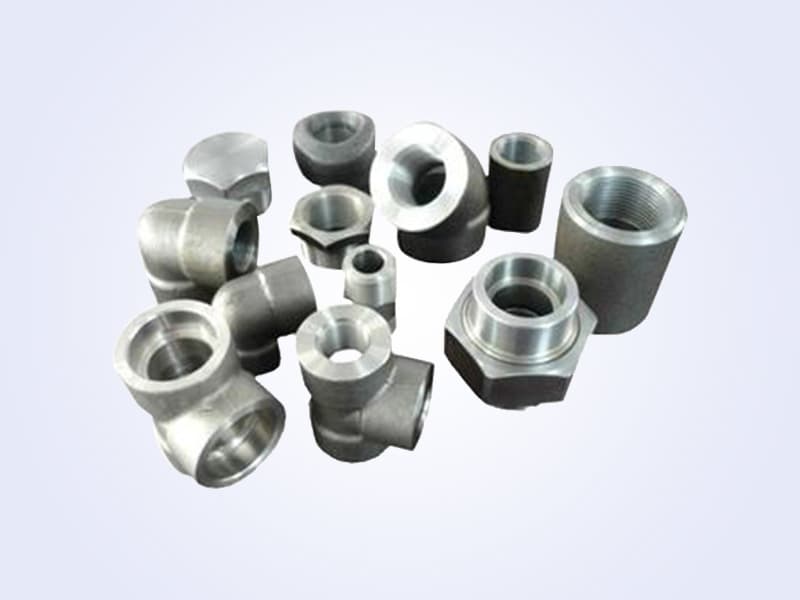
Forged pipe fittings are critical components in high-pressure and high-temperature piping systems used across oil & gas, petrochemical, power generation, and other industrial sectors. Their dimensional accuracy directly affects assembly fit, system integrity, and long-term reliability. For procurement engineers, understanding how manufacturers control dimensions — and what to verify during sourcing — can prevent costly field rework, leaks, or failures.
This article provides a practical guide to the factors influencing forged fitting dimensions, the standards that govern tolerances, and a checklist to use when evaluating potential suppliers.
Why Dimensional Control Matters
Dimensional deviations in forged fittings can lead to:
Misalignment during welding or threading, increasing installation time.
Stress concentrations that reduce fatigue life.
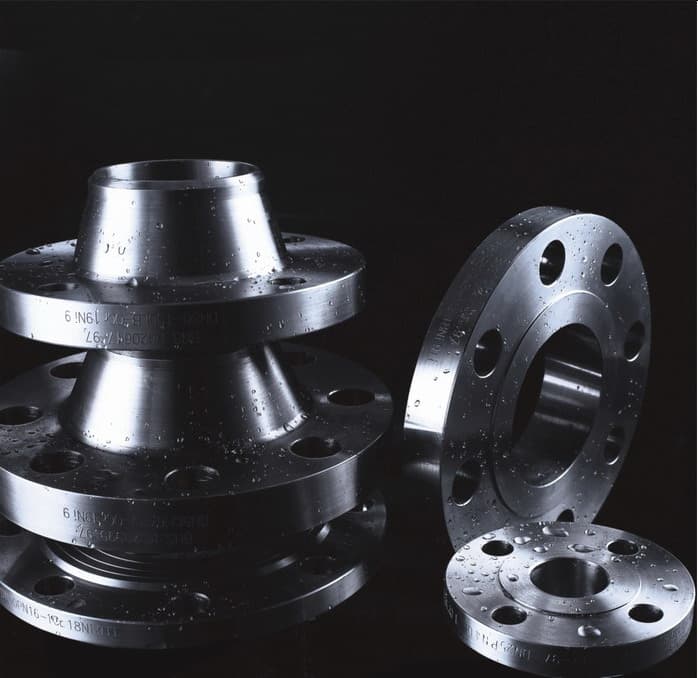
Leak paths in sealing surfaces (e.g., flange faces).
Rejection at site inspection, causing project delays and added costs.
For critical applications, even a few tenths of a millimeter out of tolerance can be unacceptable. Therefore, a robust quality management system that ensures repeatable dimensional precision is essential.
Key Factors Affecting Dimensional Accuracy
Manufacturers must control several variables throughout the forging process:
1. Material Selection and Heat Treatment
Different grades (carbon steel, stainless steel, alloy steel) have distinct thermal expansion coefficients and response to heating/cooling. Inconsistent material chemistry or improper heat treatment can cause warping or shrinkage. Always ask for material test certificates (MTCs) confirming chemical and mechanical properties.
2. Forging Process Parameters
Temperature, pressure, and dwell time must be optimized for each geometry. Overheating can cause excessive scale or grain growth, while insufficient heating may result in incomplete die fill. Simulation (FEM) is often used to design the process.
3. Die and Tooling Condition
Dies wear over time, especially on sharp edges and radii. Regular inspection and replacement schedules are critical. High-precision machining of dies (CNC) ensures consistent part geometry.
4. Cooling and Post-Forging Handling
Rapid cooling can introduce residual stresses and distortion. Controlled cooling or annealing may be required. After forging, many fittings undergo machining to achieve final tolerances.
5. Inspection and Measurement Tools
Suppliers should use calibrated instruments: calipers, micrometers, go/no-go gauges, coordinate measuring machines (CMM), and 3D scanners for complex profiles. Frequency of inspection (first article, in-process, final) should be documented.
Relevant Standards and Tolerance Classes
When specifying forged fittings, refer to these international standards:
To get precise pricing and avoid surprises, share the following before quotation:
Detailed engineering drawing with tolerances.
Specification sheet listing referenced standards.
Any special coating or marking requirements.
Expected order quantity and delivery schedule.
Sample (if complex geometry) or 3D model.
This enables the manufacturer to evaluate tooling needs, production feasibility, and inspection methods.
Conclusion
Dimensional accuracy in forged pipe fittings is not automatic — it requires disciplined process control, rigorous inspection, and clear communication between buyer and supplier. By understanding the factors that influence dimensions, referencing appropriate standards, and using the RFQ checklist provided, procurement engineers can confidently select manufacturers that deliver consistent quality.
At Hebei Haihao Group, we understand these challenges. Our production facilities are equipped with precision dies, real-time monitoring systems, and a dedicated quality assurance team that inspects every batch. We are ready to support your project with forged fittings that meet or exceed your dimensional requirements.
Request a Quote Today – Send your RFQ with specifications to our sales team, and we will provide a detailed quotation with full inspection documentation.
Need a quote for the products mentioned in this article?
Submit your specs and our pressure piping team will respond within one business day.
A practical checklist for EPC engineers and procurement managers to verify ASME PCC-1 compliance in bolted flange joint assembly, covering procedures, training, and documentation.
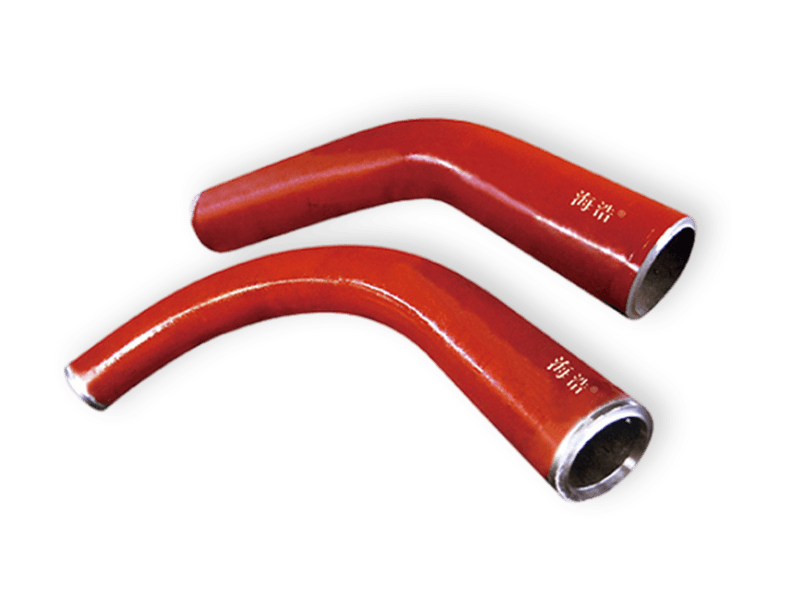
A practical RFQ checklist for ASME B16.49 induction bends, covering geometry, material, testing, and documentation requirements for transportation and distribution piping.
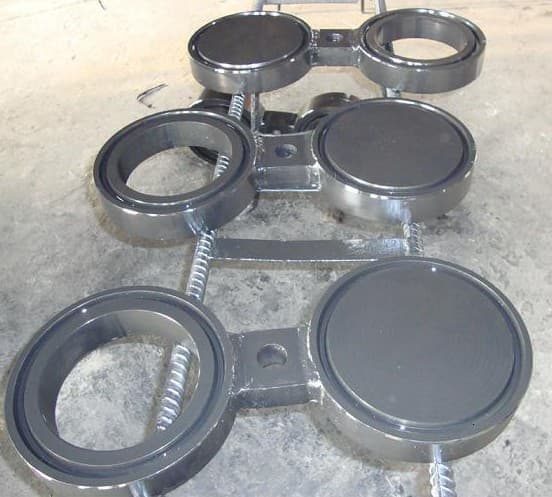
Specifying orifice flanges requires more than a standard flange RFQ. This checklist covers ASME B16.36 scope, class/type limits, tap details, and documentation gaps to verify before ordering.
Oct 7, 20266 min readHebei Haihao Group
Quote in 4 hours
Products covered in this article
Sourcing any of these? Send the spec and our pressure-piping desk replies within 4 business hours.