Introduction
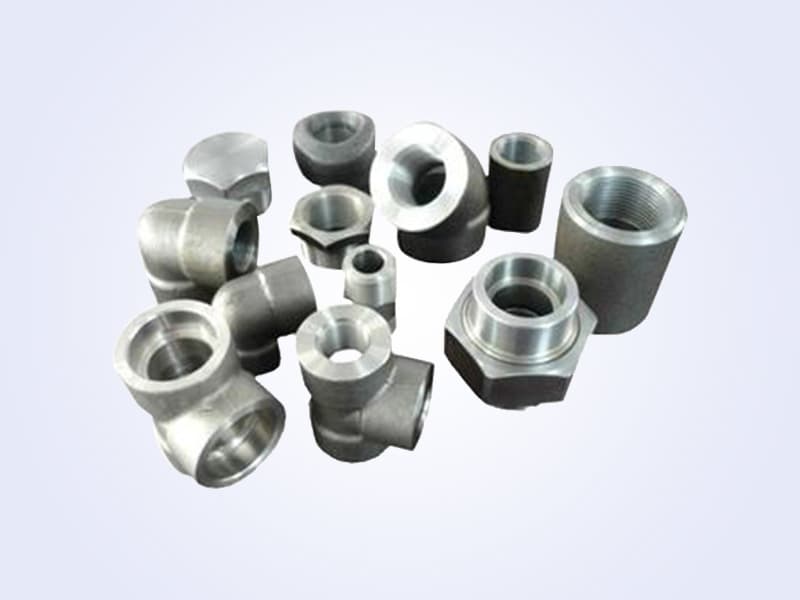
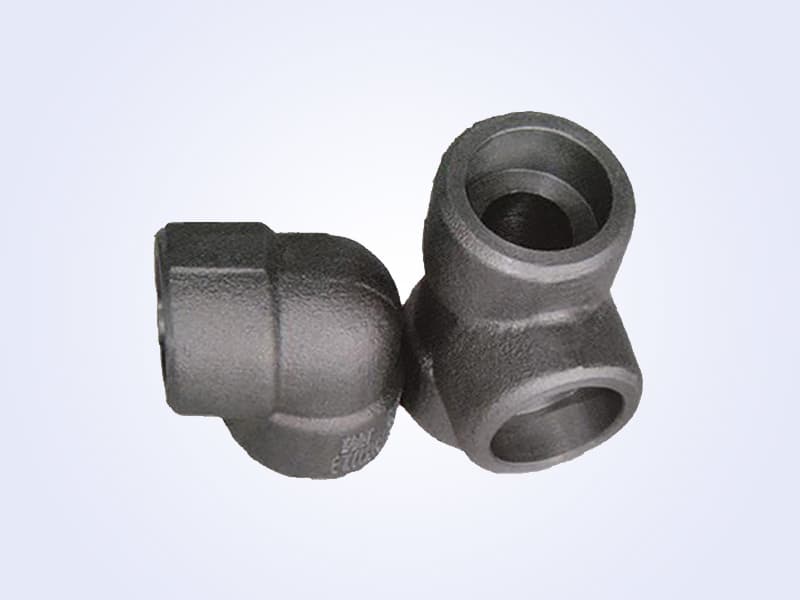
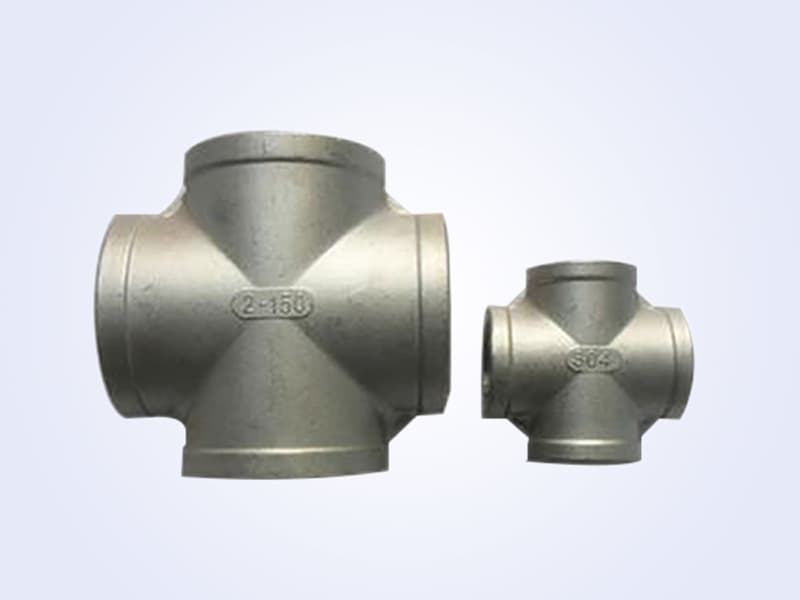
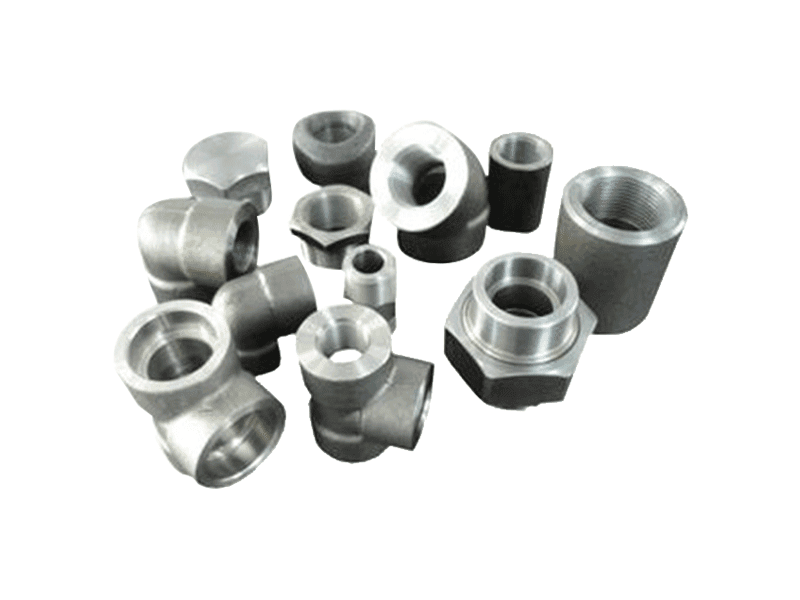
Forged pipe fittings are critical components in environmental infrastructure—from water treatment plants to emission control systems. Their high strength, durability, and leak resistance make them ideal for handling corrosive fluids, high pressures, and extreme temperatures. For procurement engineers and industrial buyers, selecting the right forged fittings requires a clear understanding of specifications, quality assurance, and application-specific demands.
This guide provides a practical procurement framework for forged fittings used in environmental projects, covering standards, inspection needs, an RFQ checklist, and common quality pitfalls.
What to Look for When Sourcing Forged Fittings for Environmental Projects
Environmental applications often involve aggressive media (chemicals, waste streams) or high-pressure fluids. Forged fittings offer superior grain structure and mechanical properties compared to cast or fabricated alternatives. Key considerations include:
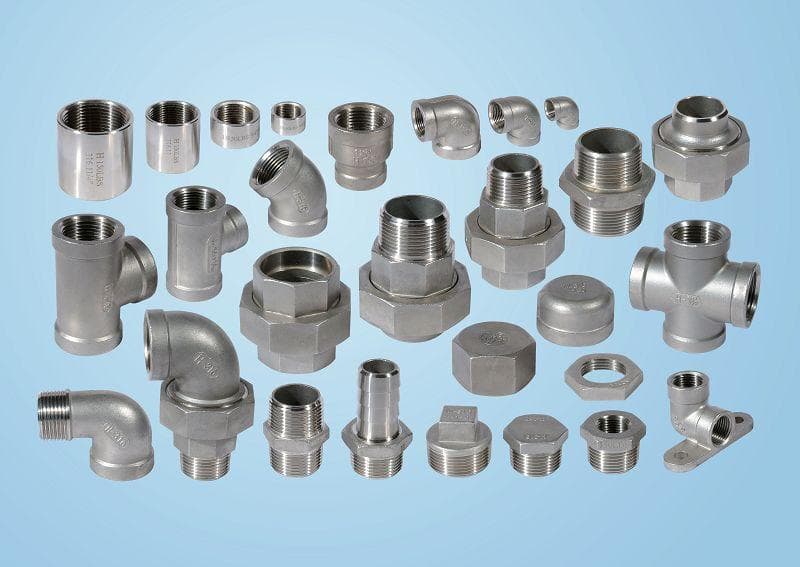
- Material selection: Common materials include carbon steel (ASTM A105), stainless steel (ASTM A182 F304/F316), and alloy steels (F11, F22). For corrosive environments, duplex or super duplex grades may be required.
- Pressure rating: Forged fittings are typically rated per ASME B16.11 (Class 2000, 3000, 6000, 9000). Confirm the class meets your system design.