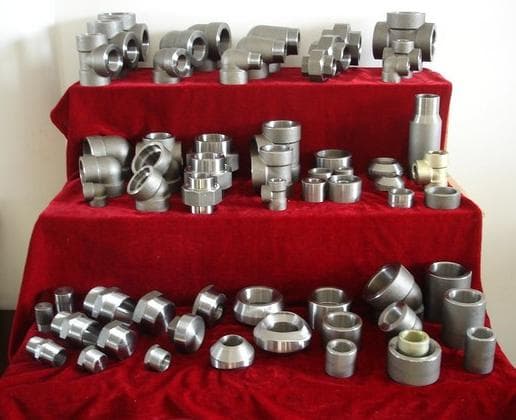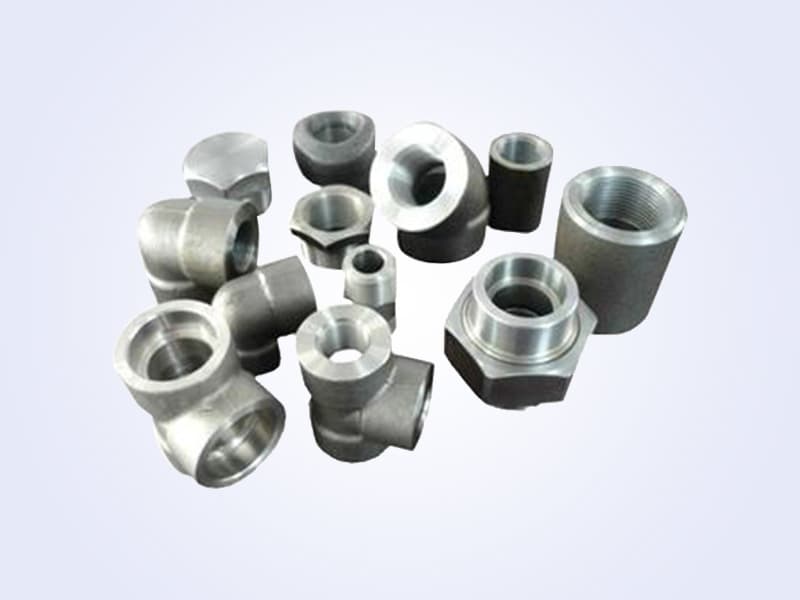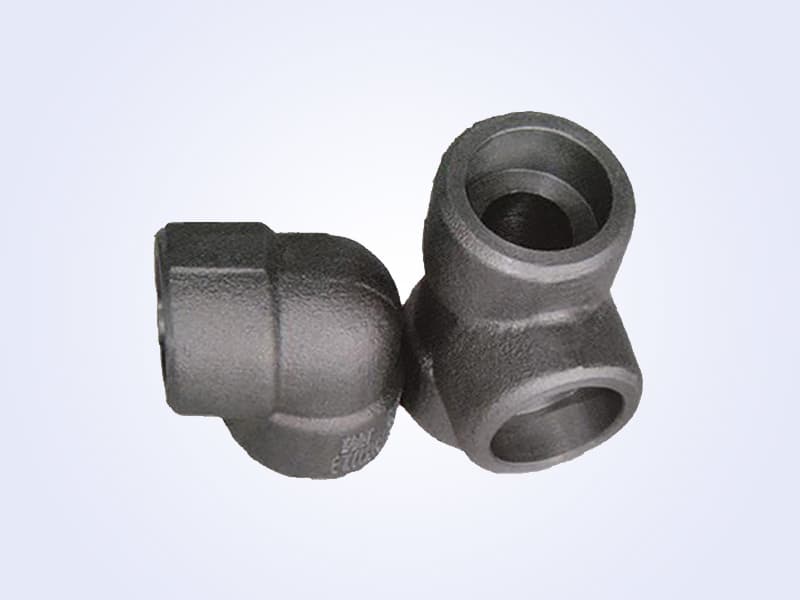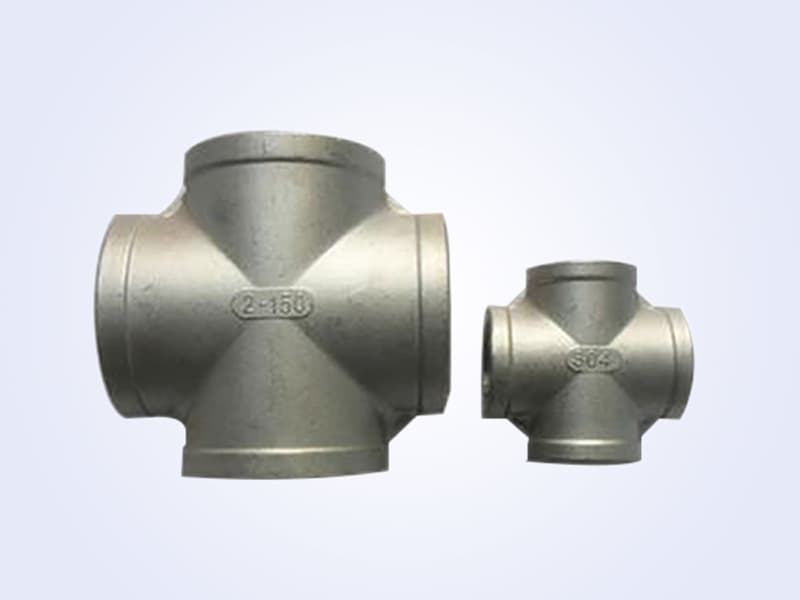
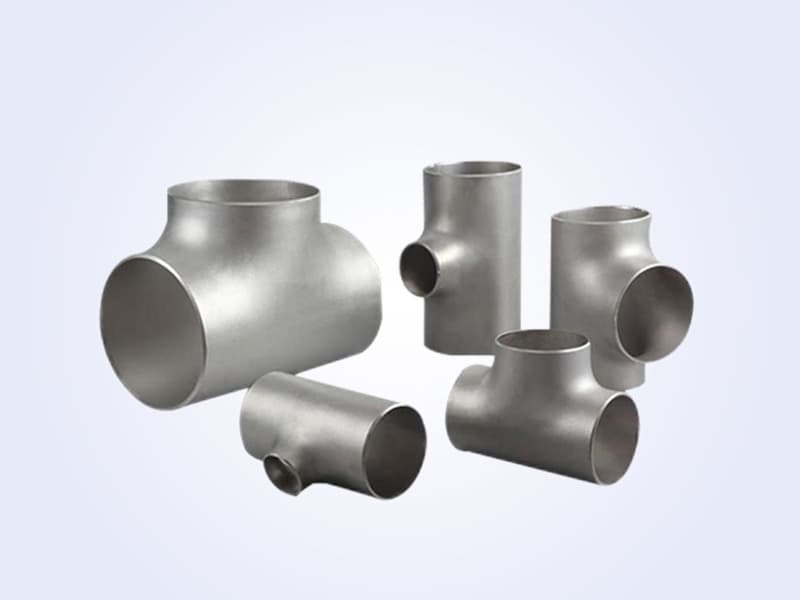
Why Forged Pipe Fittings for Aerospace?
Forged pipe fittings are manufactured through a process of shaping metal under high compressive force, which refines the grain structure and aligns the grain flow to the shape of the part. This results in superior mechanical properties—higher strength, toughness, and fatigue resistance—compared to cast or welded alternatives. In aerospace applications, where components are subjected to extreme pressures, temperatures, and cyclical loads, these characteristics are non-negotiable.
Forged fittings also exhibit better resistance to stress-corrosion cracking and can be made from a wide range of alloys to withstand cryogenic temperatures or high-temperature oxidation. The process yields near-net shapes with consistent microstructure, reducing the risk of internal voids or inclusions that can lead to catastrophic failure.
Critical Material Standards
Aerospace-grade forged fittings typically follow international material standards with additional customer-specific requirements. The most common standard is ASTM A182 (or ASME SA182) for forged or rolled alloy and stainless steel pipe flanges, forged fittings, and valves. Common grades include:
- Stainless steels: F304, F316, F321, F347 (for moderate temperatures and corrosion resistance)
- High-alloy steels