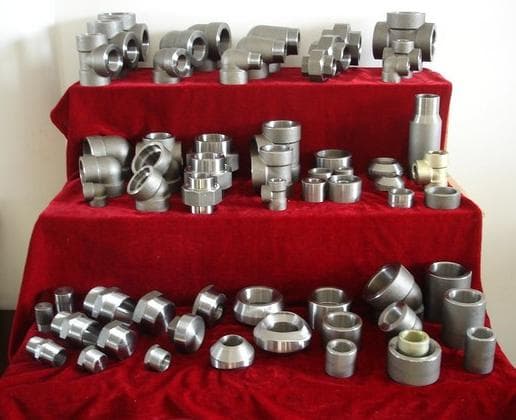
Selecting the correct standard for nonferrous forged fittings is not just a documentation exercise. It determines whether your order will perform safely, pass inspection, and meet project specifications. ASME B16.52 and ASTM B283/B283M are often mentioned together, but they serve different purposes. This guide explains what each standard covers, where they overlap, and what you must verify before purchasing.
ASME B16.52 At a Glance
ASME B16.52 covers forged nonferrous socket-welding and threaded fittings. The standard title, as published on the ASME website, specifically lists titanium, titanium alloys, aluminum, and aluminum alloys. It establishes ratings, dimensions, tolerances, marking, and material requirements for these fittings.
The standard also allows for special dimensions, threads, or counterbores when agreed between the manufacturer and purchaser. If such fittings meet all other requirements of the standard, they are considered compliant. This is an important allowance for custom projects, but it only applies when the agreement is documented and both parties understand the limits.
It is also worth noting that