Introduction
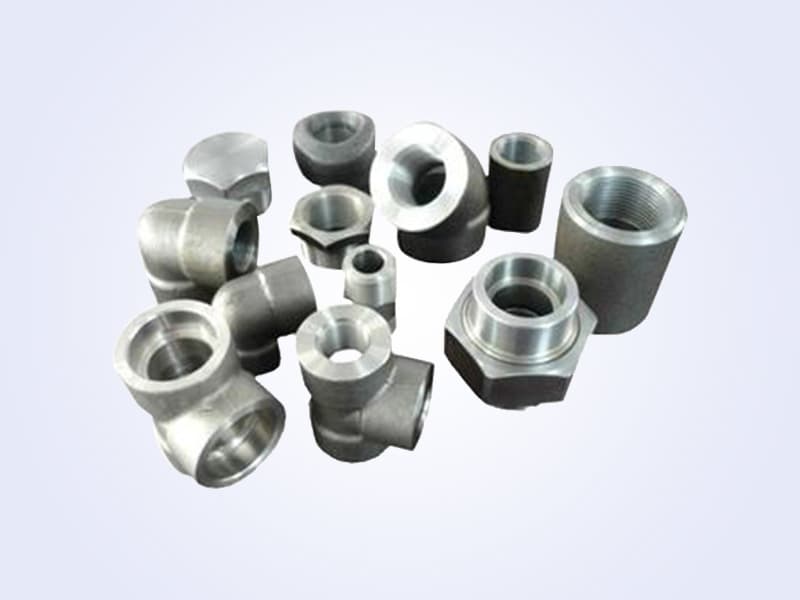
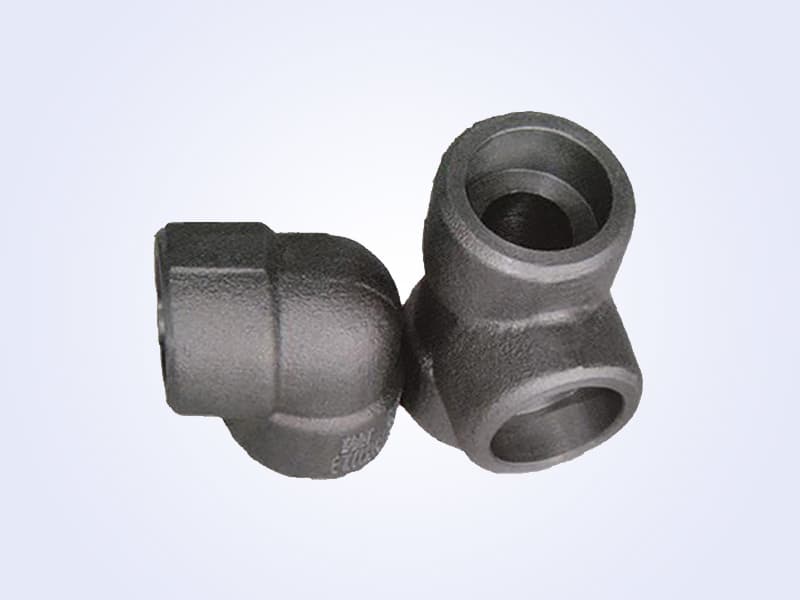
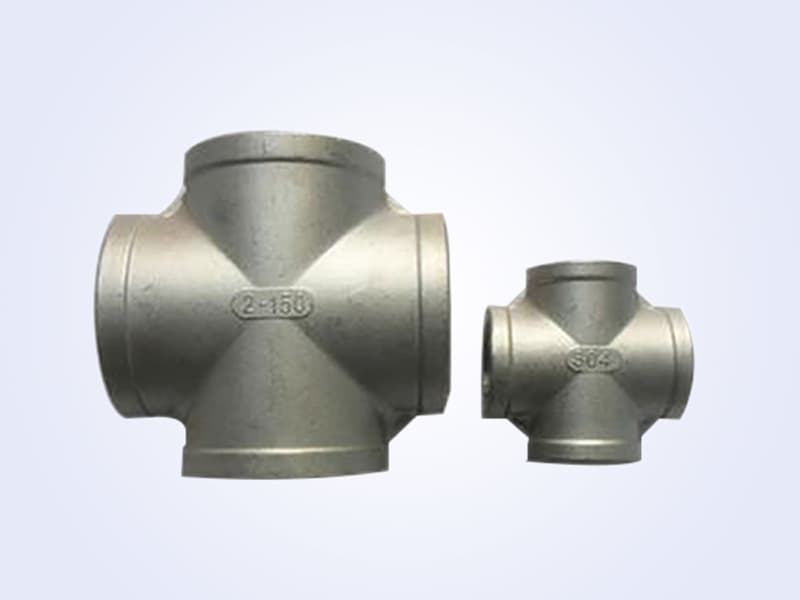
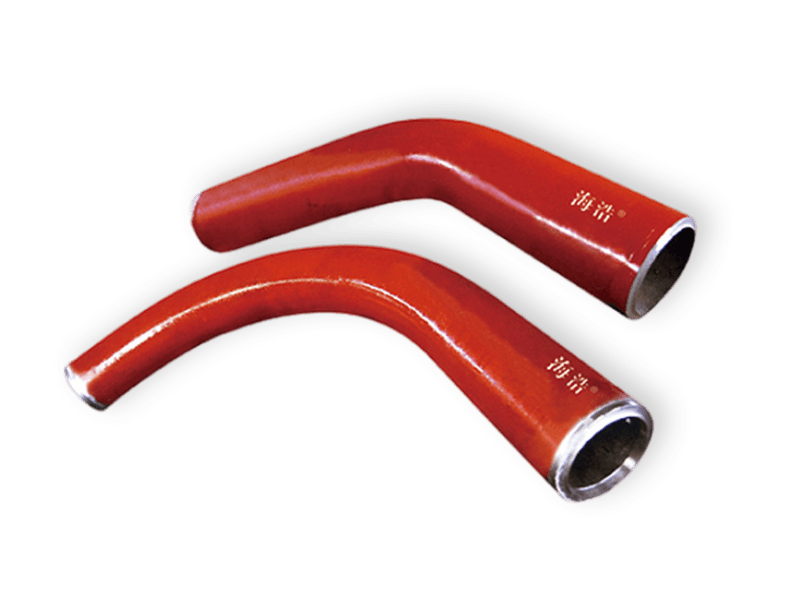
Forged pipe fittings play a critical role in automotive systems, including exhaust, suspension, and drivetrain components. Their ability to withstand high temperatures, pressure, and cyclic loading makes them ideal for demanding environments. For procurement engineers, selecting the right forged fittings requires a clear understanding of material grades, manufacturing standards, and quality assurance protocols. This guide provides a practical framework for sourcing forged pipe fittings for automotive applications, focusing on key procurement considerations.
Standards to Confirm
When specifying forged fittings for automotive use, ensure compliance with the following international standards:
- ASTM A105 / A105N – Standard specification for carbon steel forgings for piping applications. Common for general automotive components.
- ASTM A182 – Specification for forged or rolled alloy and stainless steel pipe flanges, fittings, valves, and parts. Relevant for high-temperature or corrosive environments.
- ASTM A350 – Specification for carbon and low-alloy steel forgings requiring notch toughness. Critical for sub-zero or impact-loaded parts.
- DIN EN 10222 – European standard for steel forgings for pressure purposes. Often required by European OEMs.
- JIS B 2201 – Japanese standard for steel pipe flanges. Important for automotive supply chains in Asia.
Always verify that the supplier's certifications match the project's stipulated standards. Request material test certificates (MTCs) per EN 10204 3.1 or 3.2 for full traceability.
Quality Risks in Forged Fittings
Automotive applications demand high reliability. Be aware of these common quality risks:
- Material Defects – Non-metallic inclusions, porosity, or segregation can lead to premature failure under cyclic loading.
- Improper Heat Treatment – Incorrect annealing, normalizing, or quenching may result in inadequate mechanical properties.
- Dimensional Tolerances – Poor forging die maintenance can cause out-of-spec dimensions, affecting assembly and sealing.
- Surface Flaws – Laps, cracks, or scale pits reduce fatigue life and corrosion resistance.
- Inconsistent Hardness – Variations across batches can impact machining and performance.
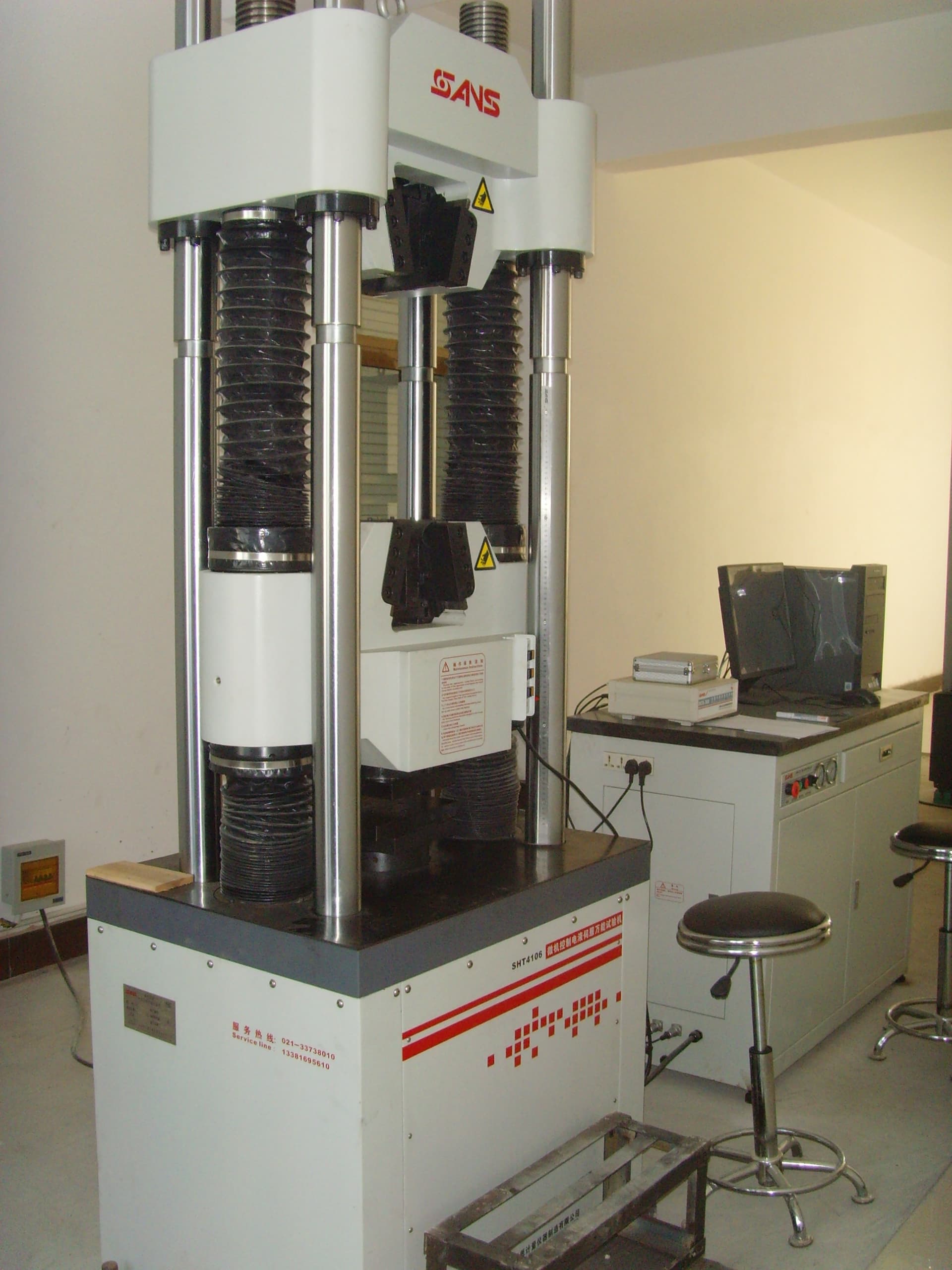
Mitigate these risks by requiring ultrasonic testing (UT) for critical parts, magnetic particle inspection (MPI) for surface defects, and hardness testing per batch.
Required Inspection Documents
Before shipment, ensure the supplier provides:
- Material Test Certificate (MTC) – Including chemical composition and mechanical properties.
- Heat Treatment Certificate – Time-temperature curves and hardness results.
- Dimensional Inspection Report – Verification of critical dimensions against drawings.
- NDT Reports – UT, MPI, or radiographic testing as agreed.
- Certificate of Compliance (CoC) – Stating that fittings meet all specified standards and requirements.
For high-volume orders, request a First Article Inspection Report (FAIR) to confirm process capability.
RFQ Checklist for Buyers
When sending a request for quotation, include:
- Material Grade – Specify ASTM/EN/JIS grade and any additional requirements (e.g., impact testing at -20°C).
- Dimensions – Provide drawing or reference standard (e.g., ASME B16.11 for forged fittings).
- Tolerances – Note any special tolerances beyond standard.
- Quantity – Volume and delivery schedule.
- Certification Requirements – Level of documentation needed (e.g., EN 10204 3.1 or 3.2).
- Surface Finish – As-forged, machined, or coated?
- Packaging – Anti-corrosion protection, crating for export.
- Lead Time – Expected delivery date.
Clear specifications reduce the risk of non-conforming parts and costly delays.
What to Send Before Quotation
To get accurate pricing and feasibility feedback, provide:
- Detailed drawings with dimensions, tolerances, and thread specifications.
- Material specifications – Exact grade and any supplementary tests.
- Application context – Operating temperature, pressure, and medium (e.g., exhaust gas, hydraulic fluid).
- Quantity and delivery schedule – Helps supplier plan forging dies and heat treatment cycles.
- Quality requirements – List of required NDT and certifications.
Early sharing of this information allows the supplier to optimize manufacturing and avoid surprises.
Conclusion
Sourcing forged pipe fittings for automotive applications demands attention to standards, risk mitigation, and thorough documentation. By following this guide, procurement engineers can ensure that components meet performance and reliability targets.
For your next automotive forged fittings requirement, contact Hebei Haihao Group. We provide certified forged fittings in carbon steel, alloy steel, and stainless steel, with full traceability and inspection reports. Send us your RFQ today for a prompt quotation.
Need a quote for the products mentioned in this article?
Submit your specs and our pressure piping team will respond within one business day.
Send RFQRelated reading
 Buyer guide
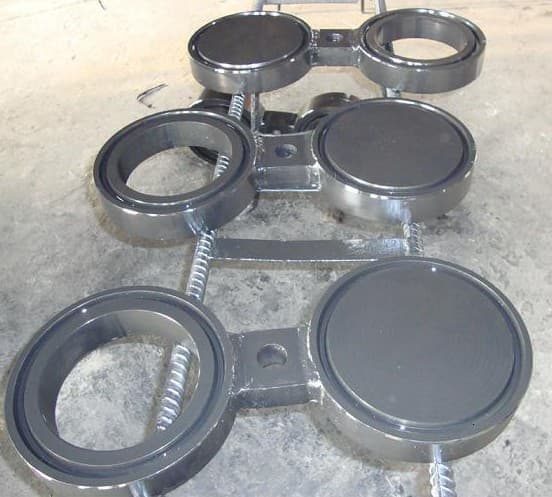
Orifice Flange RFQ Checklist: Class, Type, Taps and Documents
Specifying orifice flanges requires more than a standard flange RFQ. This checklist covers ASME B16.36 scope, class/type limits, tap details, and documentation gaps to verify before ordering.
 Buyer guide