Introduction
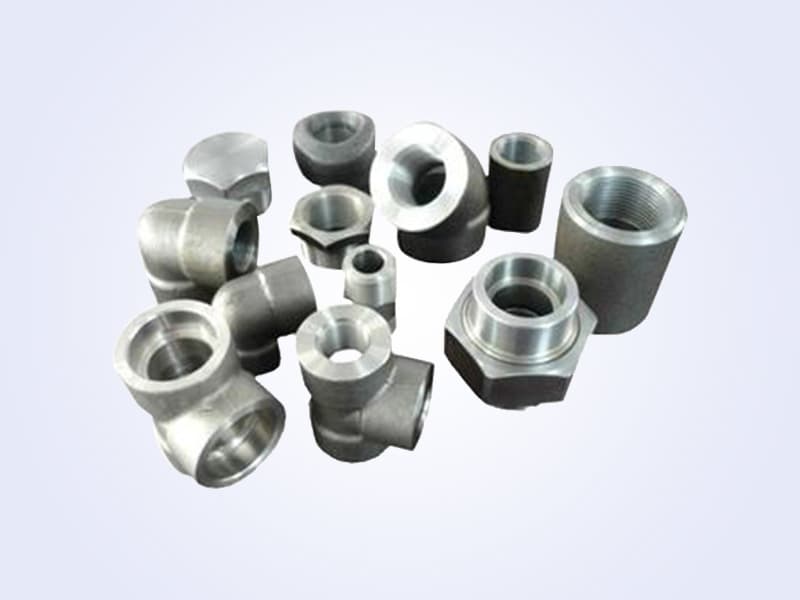
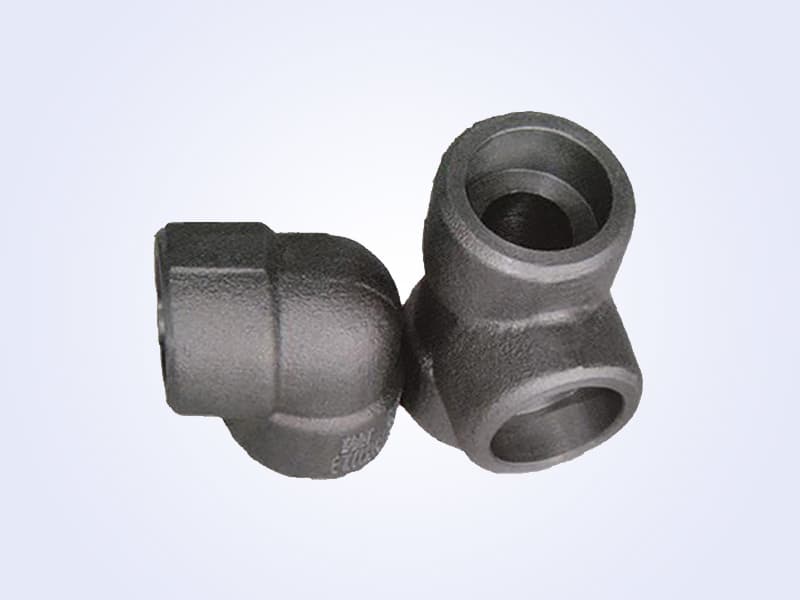
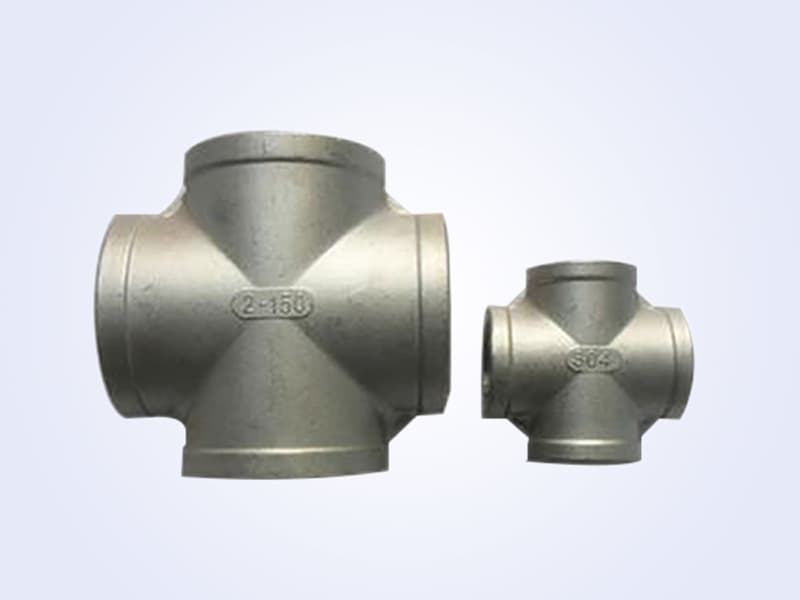
Forged pipe fittings are critical components in high-pressure and high-temperature piping systems for oil & gas, chemical, and power plants. As global EPC projects demand tighter deadlines and stricter quality control, procurement engineers must understand the evolving landscape. This guide provides actionable insights into sourcing forged fittings: from confirming standards to managing quality risks.
Trends Shaping the Industry
Smart manufacturing and digitization are streamlining production monitoring, leading to more consistent quality. Environmental regulations push mills to reduce energy consumption and adopt recyclable materials like high-strength low-alloy steels. Meanwhile, buyers increasingly expect shorter lead times and customized dimensions (e.g., special bore sizes or end preparations). Understanding these trends helps you evaluate supplier capabilities effectively.
Standards to Confirm
Always verify that forged fittings comply with applicable ASTM/ASME specifications. Common standards include:
- ASTM A105 / A105M – Carbon steel fittings for piping
- ASTM A182 / A182M – Forged or rolled alloy and stainless steel pipe flanges, fittings, valves, and parts