Introduction
Selecting the right pipe fitting type is critical for the safety, longevity, and cost-effectiveness of any piping system. For procurement engineers, the choice between forged and welded fittings often comes down to operating conditions, budget, and quality requirements. This guide provides a practical comparison to support informed purchasing decisions.
Forged Fittings: Process and Characteristics
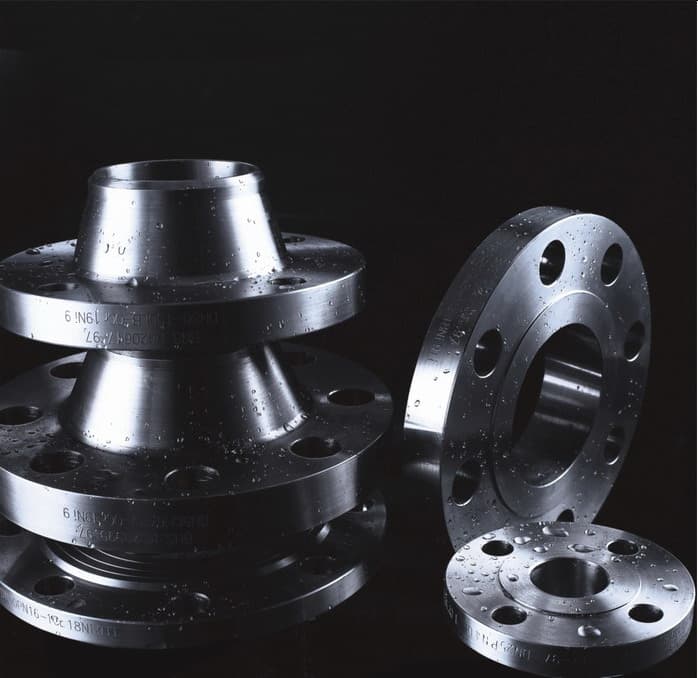
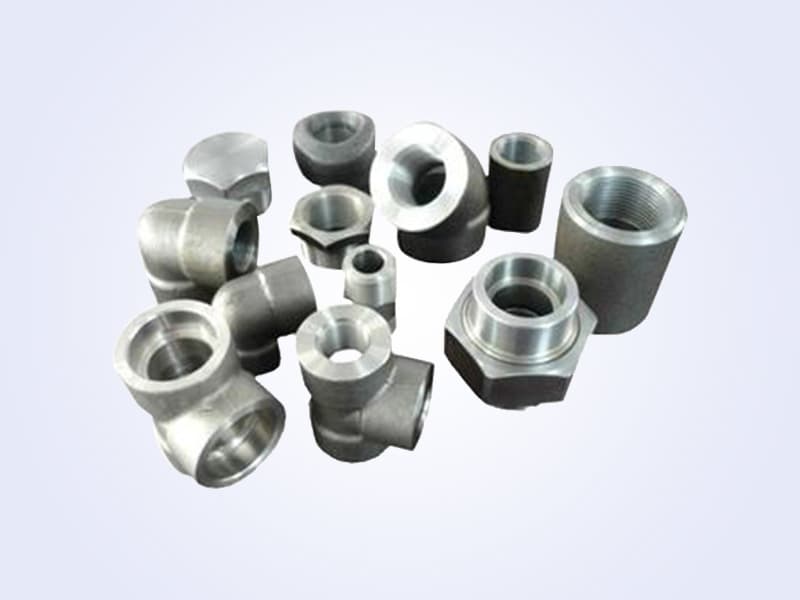
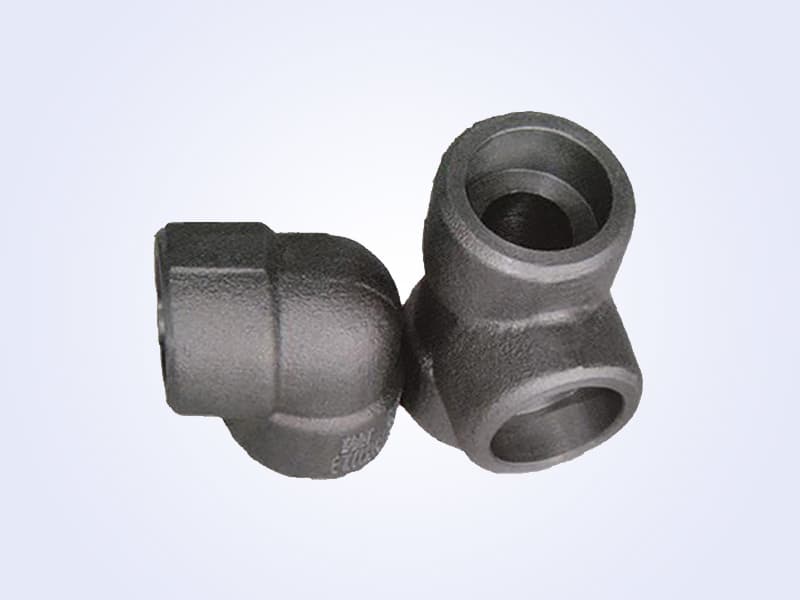
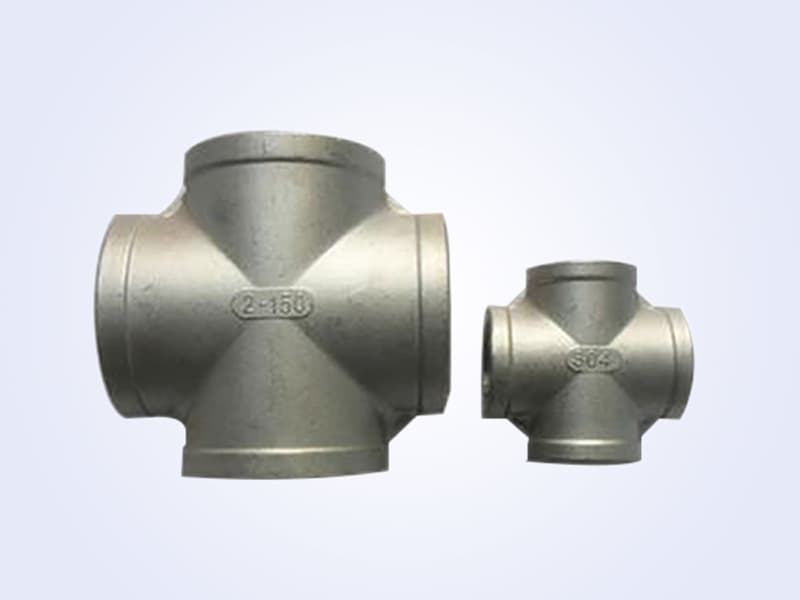
Forged fittings are manufactured by heating metal and shaping it under high pressure in dies. This process refines the grain structure, resulting in superior mechanical properties. Typical standards include ASME B16.11 (forged fittings), MSS SP-79, SP-95, and SP-97. Common materials are carbon steel (ASTM A105), stainless steel (ASTM A182), and alloy steels. Forged fittings are ideal for high-pressure, high-temperature applications such as power generation, oil and gas, and chemical plants.
Welded Fittings: Process and Characteristics
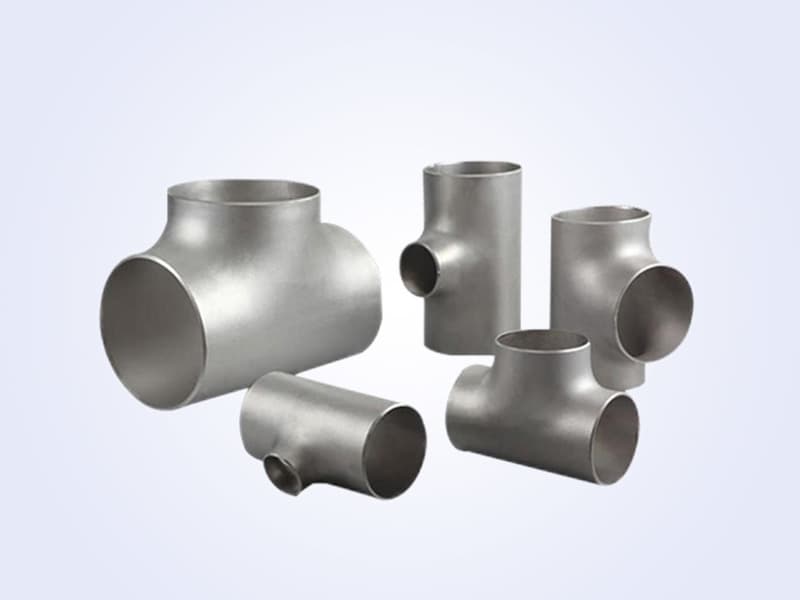
Welded fittings are fabricated by joining metal pieces through welding, often from plate or pipe segments. They are commonly used for large diameters and lower pressure classes. Standards include ASME B16.9