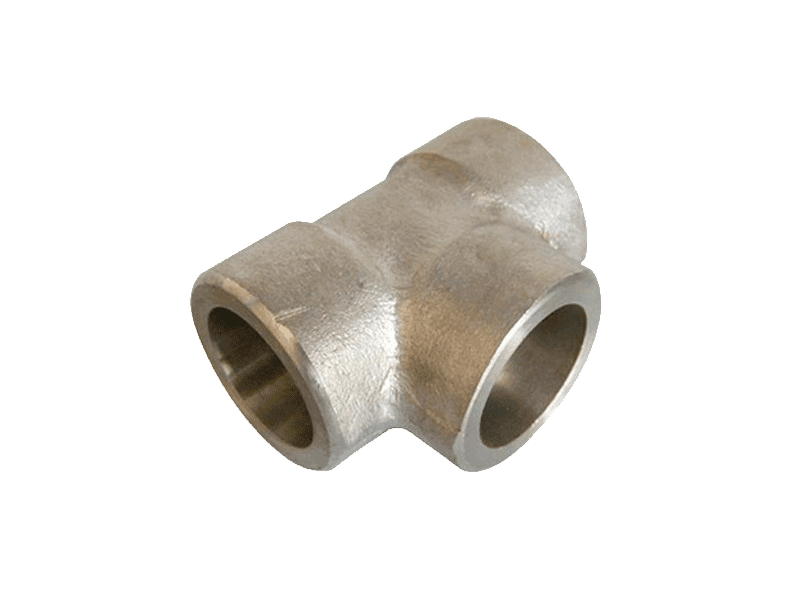
Understanding Common Failures in Forged Pipe Fittings
Forged pipe fittings are critical components in industrial piping systems, used extensively in oil, gas, chemical, and power generation applications. Despite their strength and durability, they can experience failures that compromise system integrity and safety. Common issues include:
- Leakage: Often due to seal failure, improper installation, or material fatigue.
- Corrosion: Accelerated by aggressive media, poor material selection, or coating damage.
- Deformation: Caused by excessive thermal or mechanical stress.
- Cracks: Develop from fatigue, hydrogen embrittlement, or manufacturing defects.
Understanding these failure modes is essential for procurement engineers to specify, inspect, and maintain forged fittings effectively.
Troubleshooting and Remediation
Leakage
If leakage occurs, first check the sealing surface and gasket. Replace worn seals with compatible materials (e.g., spiral wound gaskets for high-temperature services). Perform a pressure test to verify integrity. For minor leaks, thread sealants can be a temporary fix, but permanent repair requires re-installation or replacement.
Corrosion
Identify the corrosion type (e.g., pitting, uniform, galvanic). Implement protective coatings (epoxy, zinc) or upgrade to corrosion-resistant alloys (stainless steel, duplex). In severe cases, replace the fitting. Regular inspection using NDT methods (ultrasonic thickness gauging) helps monitor wall loss.
Deformation
Analyze system design to prevent overstress. For deformed fittings, avoid reuse unless the extent is minor and can be corrected via controlled heating (avoiding material degradation). Replacement is recommended when deformation exceeds allowable limits per ASME B16.9 or B16.11.
Cracks
Cracks are critical and must be assessed immediately. Use dye penetrant or magnetic particle inspection to detect surface cracks; employ ultrasonic or radiography for subsurface flaws. Welding repair may be permissible for non-structural cracks per code requirements, but replacement is safer for severe cases.
Preventive Strategies for Procurement
- Material Selection: Confirm the forged fitting material matches the service conditions (temperature, pressure, fluid corrosivity). Request material test reports (MTRs) per ASTM/ASME standards.
- Quality Assurance: Specify requirements for non-destructive testing (NDT) such as 100% ultrasonic examination for critical applications.
- Inspection Documentation: Require inspection certificates (EN 10204 Type 3.1 or 3.2), dimensional inspection reports, and pressure test results.
- Proper Storage: Ensure fittings are stored in dry, clean conditions to prevent corrosion before installation.
RFQ Checklist
When requesting a quotation for forged pipe fittings, include:
| Item | Details |
|---|---|
| Material grade | e.g., A105, F316L, F51 |
| Dimensions | Size, wall schedule, end connections (beveled, threaded, socket weld) |
| Standards | ASME B16.9, B16.11, MSS SP-75, etc. |
| Quantity | Lot size with tolerances |
| Testing | NDT requirements, witness and hold points |
| Packaging | Export packing, marking per ASTM D3950 |
| Delivery | Required date and incoterms |
Quality Risks to Watch
- Counterfeit products: Verify manufacturer's pedigree and certifications.
- Chemical composition deviations: Require certified MTRs.
- Incorrect heat treatment: Ask for hardness testing reports.
- Dimensional inaccuracies: Specify 100% dimensional inspection for high-integrity lines.
What to Send Before Quotation
To ensure accurate pricing and lead times, provide:
- Detailed piping class or isometric drawing.
- Criticality classification (e.g., safety class, pressure class).
- Environmental conditions (offshore, sour service, high vibration).
- Preferred manufacturer list (if any).
Partner with Hebei Haihao Group
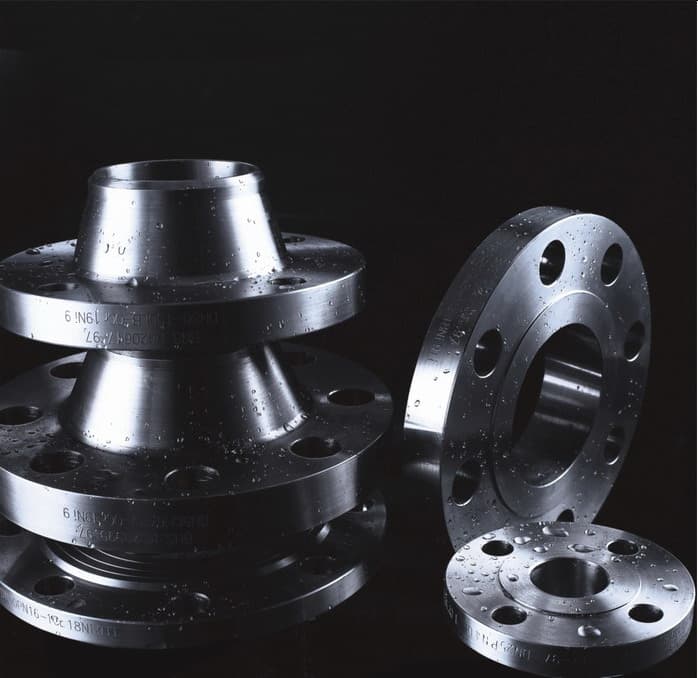
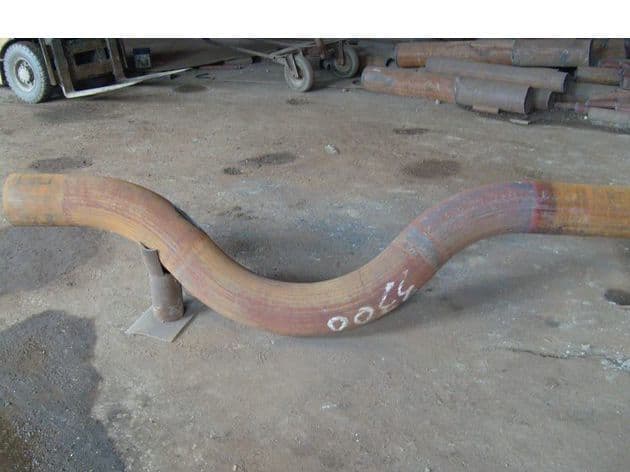
Hebei Haihao Group specializes in forged pipe fittings, flanges, and pipe bends, serving global EPC projects. We offer materials in carbon steel, stainless steel, duplex, and nickel alloys, with full traceability and third-party inspection support. Request a quote today with your project requirements.
Need a quote for the products mentioned in this article?
Submit your specs and our pressure piping team will respond within one business day.
Send RFQRelated reading
 Buyer guide
ASME PCC-1 Bolted Flange Joint Assembly Checklist for Buyers
A practical checklist for EPC engineers and procurement managers to verify ASME PCC-1 compliance in bolted flange joint assembly, covering procedures, training, and documentation.
 Buyer guide