Introduction
High pressure flanges are critical components in piping systems for oil and gas, chemical processing, power generation, and other industries where system integrity under extreme pressure and temperature is non-negotiable. For procurement engineers, understanding how these flanges are manufactured—and what quality controls are applied—is essential to avoid costly failures and safety risks. This article breaks down the key manufacturing steps, applicable standards, and the information you should request from suppliers to make informed purchasing decisions.
What Are High Pressure Flanges?
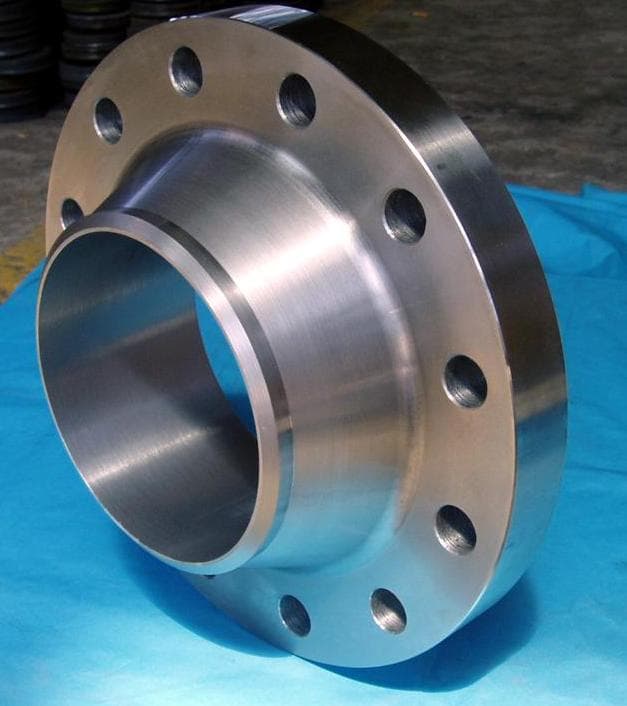
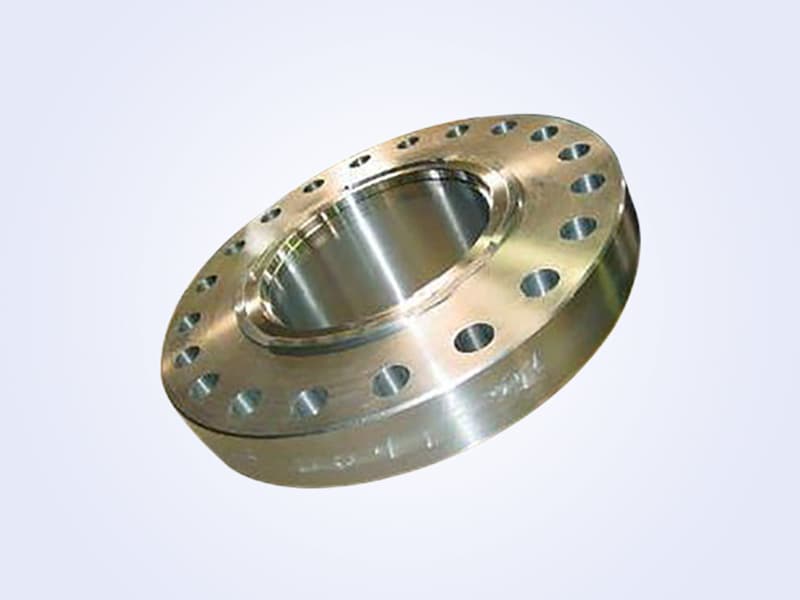
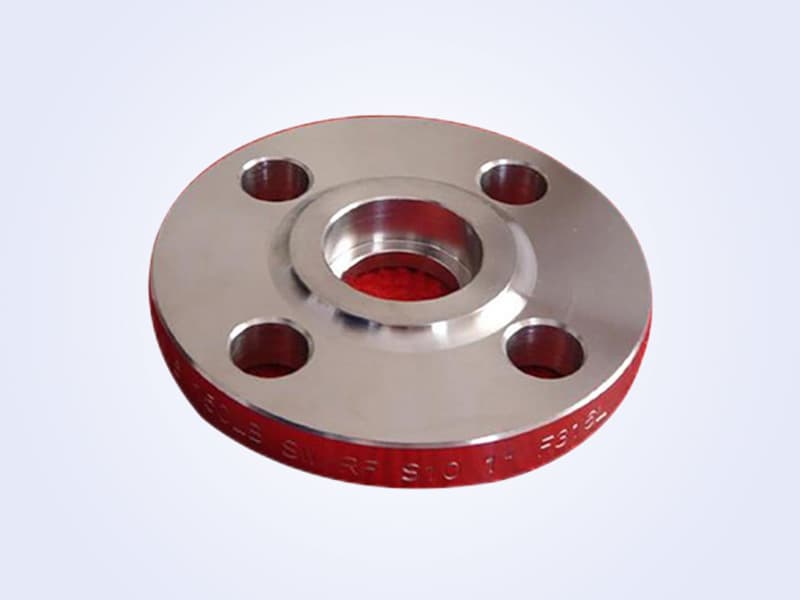
High pressure flanges are designed to withstand pressures typically above Class 600 (ASME B16.5) or up to several thousand psi in specialized applications. They are generally forged rather than cast, because forging aligns the grain structure of the metal, enhancing strength and resistance to fatigue. Common materials include carbon steel (A105), alloy steel (A182 F11, F22), and stainless steels (A182 F304, F316).
Manufacturing Processes
The production of a high pressure flange involves several precision steps: