Introduction
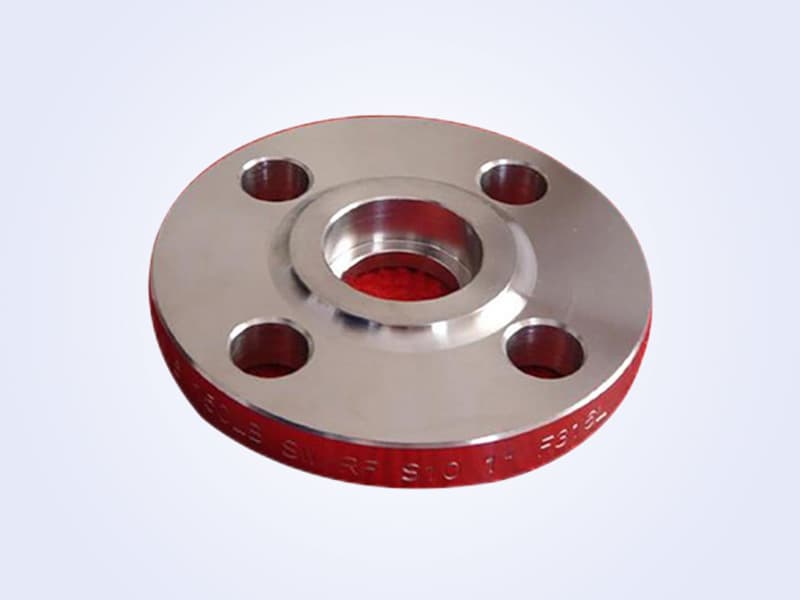
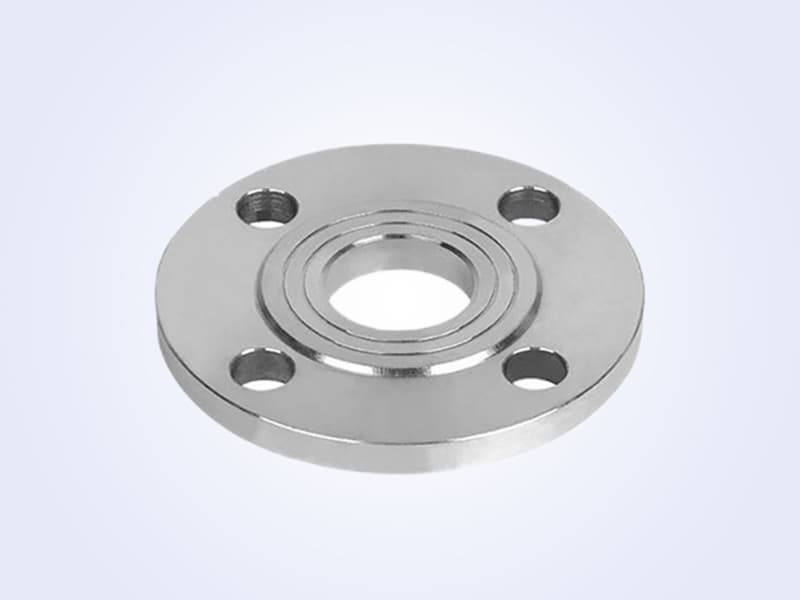
High-pressure flanges are critical components in piping systems across oil & gas, petrochemical, power generation, and other heavy industries. For procurement engineers and buyers, selecting the right flange is not just about dimensions and material—it involves verifying standards, understanding pressure-temperature ratings, and ensuring the manufacturer can deliver consistent quality. This guide covers the key technical and commercial considerations to help you make informed decisions.
Standards You Must Confirm
Before issuing a request for quotation (RFQ), confirm which standard governs the flange design. The most widely used standards are:
- ASME B16.5 – Pipe flanges and flanged fittings for NPS ½ through 24, for classes 150 to 2500.
- ASME B16.47 – Large diameter flanges (NPS 26 through 60) for classes 150 to 900 (Series A and B).
- EN 1092-1 – European standard for flanges with pressure designations like PN10 to PN100.
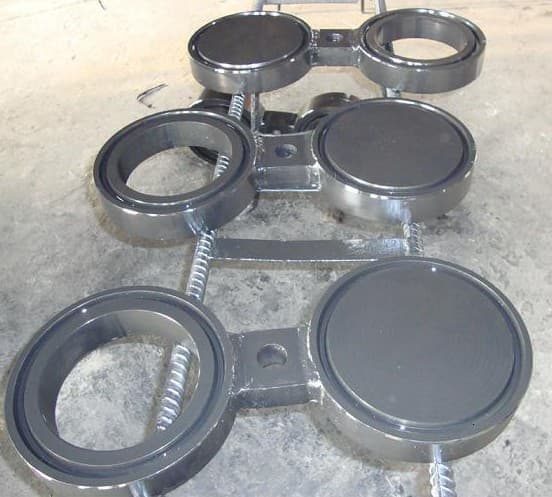
- JIS B2220 – Japanese standard for steel pipe flanges.
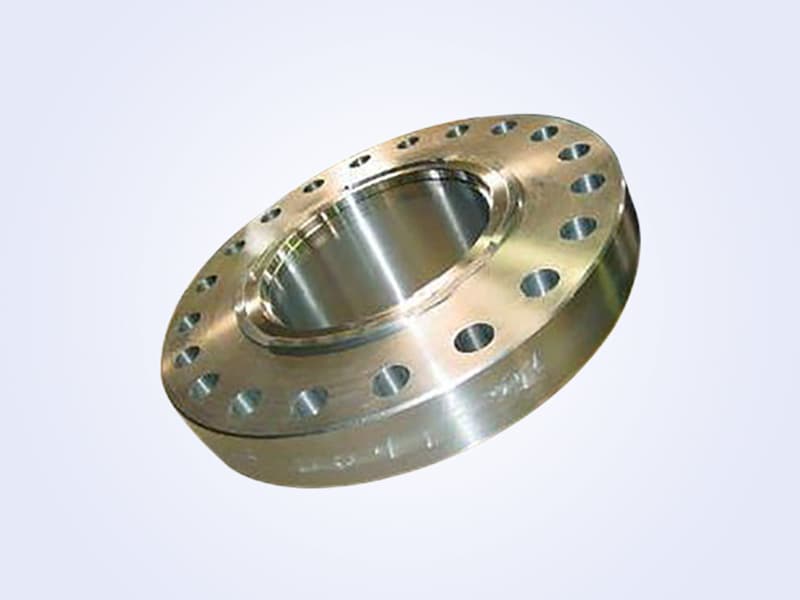
Always specify the pressure class (e.g., Class 300, Class 600, or PN 100) and the facing type (flat face, raised face, ring joint, etc.). Mismatching standards can cause installation failures and leakage.
Material Selection for High-Pressure Service
Material choice depends on operating temperature, pressure, and fluid corrosiveness. Common materials include:
| Material | Typical Applications |
|---|---|
| Carbon steel (e.g., ASTM A105) | Non-corrosive, moderate temperatures |
| Stainless steel (e.g., ASTM A182 F304/316) | Corrosive environments, cryogenic service |
| Alloy steel (e.g., ASTM A182 F11/F22) | High-temperature, high-pressure steam |
| Duplex/super duplex | Offshore, sour gas (NACE MR0175) |
For high-pressure flanges, be aware that material strength decreases with temperature. Confirm the pressure-temperature rating curve from the manufacturer or standard.
Inspection and Certification Documents
To avoid field failures, demand these inspection documents from the supplier:
- Chemical analysis and mechanical test certificates per material specification.
- Hardness test reports for flanges in sour service (H2S environments).
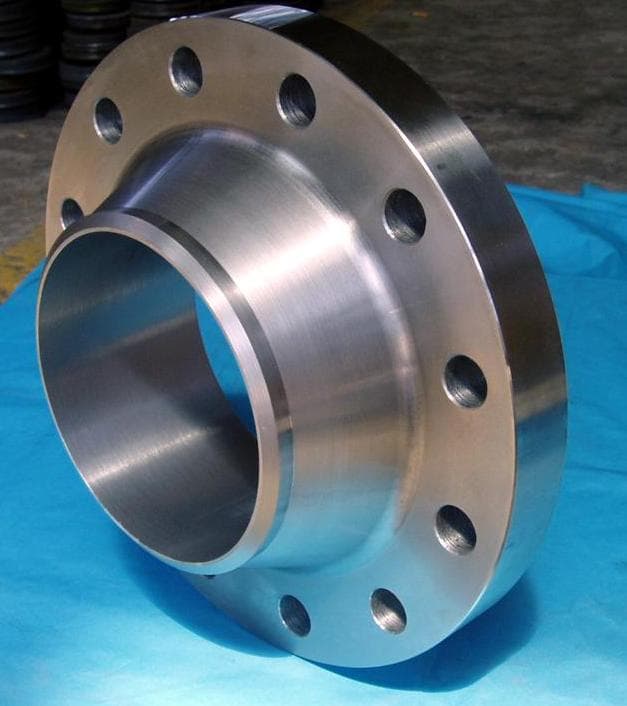
- Dimensional inspection report – Verify bolt-hole alignment, flange thickness, and facing finish.
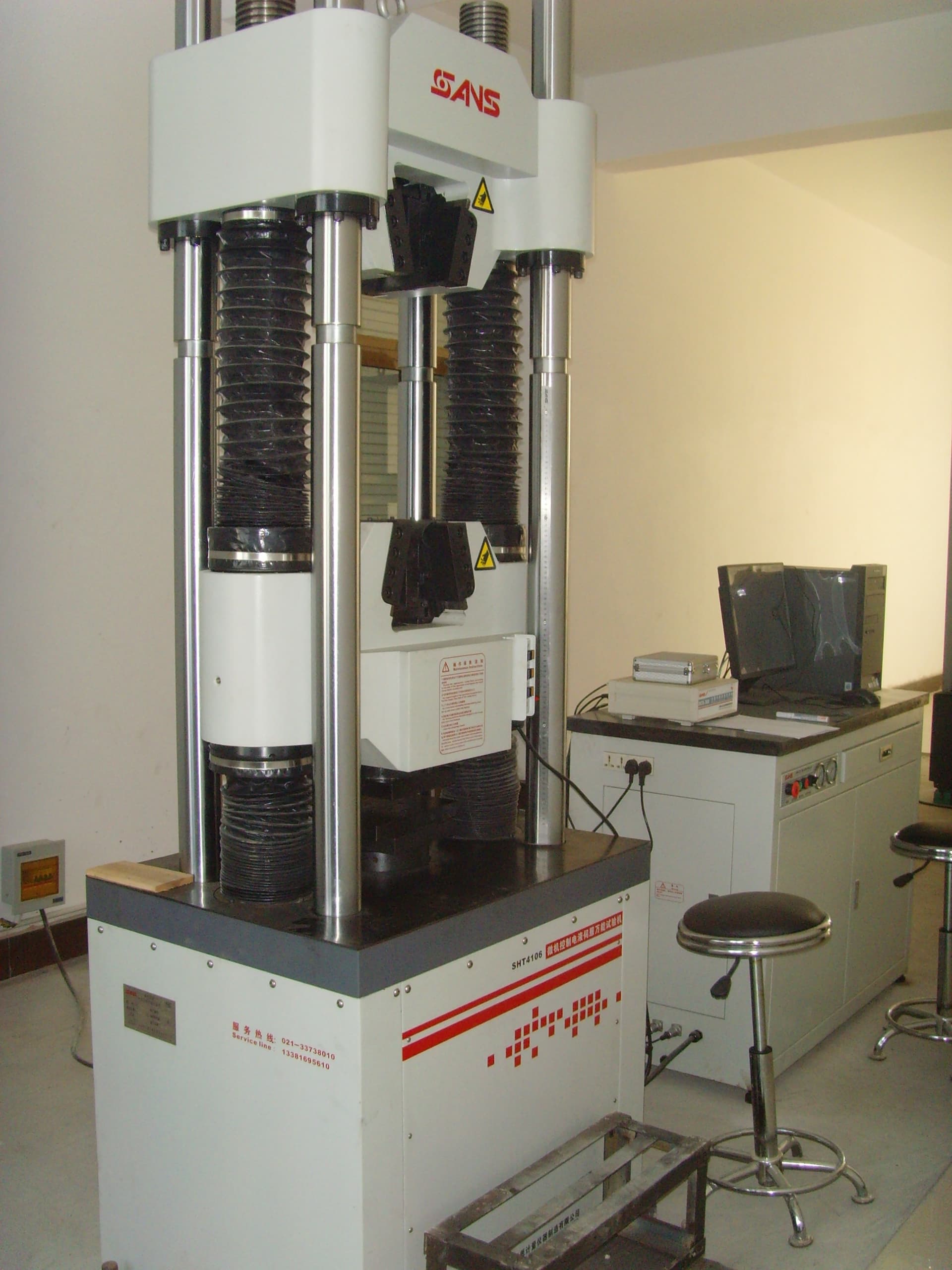
- Hydrostatic pressure test certificate – Each flange must be leak-tested per code.
- Heat treatment records if required (e.g., normalizing, quenching, tempering).
- Positive material identification (PMI) report for alloy flanges.
Third-party inspection by agencies such as DNV, BV, or Lloyds is often required for high-criticality projects.
Quality Risks to Watch For
- Incorrect drilling pattern: Flange bolt holes must straddle the vertical and horizontal centerlines unless otherwise specified.
- Poor surface finish on the sealing face: This can cause leakage even with a proper gasket.
- Subgrade steel: Some suppliers may substitute lower-grade material to cut costs. Always require original mill test certificates.
- Inadequate heat treatment: For alloy flanges, improper heat treatment can reduce high-temperature strength.
RFQ Checklist: What to Include
To get accurate and comparable quotations, provide the following in your RFQ:
- Quantity and size (NPS/ DN)
- Pressure class (Class or PN)
- Standard (ASME, EN, JIS, etc.)
- Facing type (RF, FF, RTJ, etc.)
- Material grade and specification
- Required certifications (e.g., NACE, IBR)
- Any special coating or marking requirements
- Delivery timeline and acceptance terms
What to Send Before Quotation
When contacting a manufacturer like Hebei Haihao Group, clearly state:
- Project description and end-use environment (temperature, pressure, medium)
- Preferred standard and material
- Whether full traceability is required
- Inspection and testing requirements
- Quantity and delivery window
This enables the supplier to recommend the most suitable design and avoid costly mismatches.
Conclusion
High-pressure flanges are not commodities—they are engineered components that demand careful specification and verification. By following the guidelines above, you can reduce procurement risks and ensure long-term reliability of your piping system.
For over three decades, Hebei Haihao Group has manufactured high-pressure flanges to international standards, with full traceability and third-party testing. To request a quotation or discuss your project requirements, please contact our sales team with the details outlined above.
Need a quote for the products mentioned in this article?
Submit your specs and our pressure piping team will respond within one business day.
Send RFQRelated reading
Buyer guideProcuring High-Pressure Flanges: Engineering Considerations for Robust Piping Systems
How to evaluate materials, design, and quality assurance when sourcing high-pressure flanges for demanding applications.
Buyer guide