Introduction
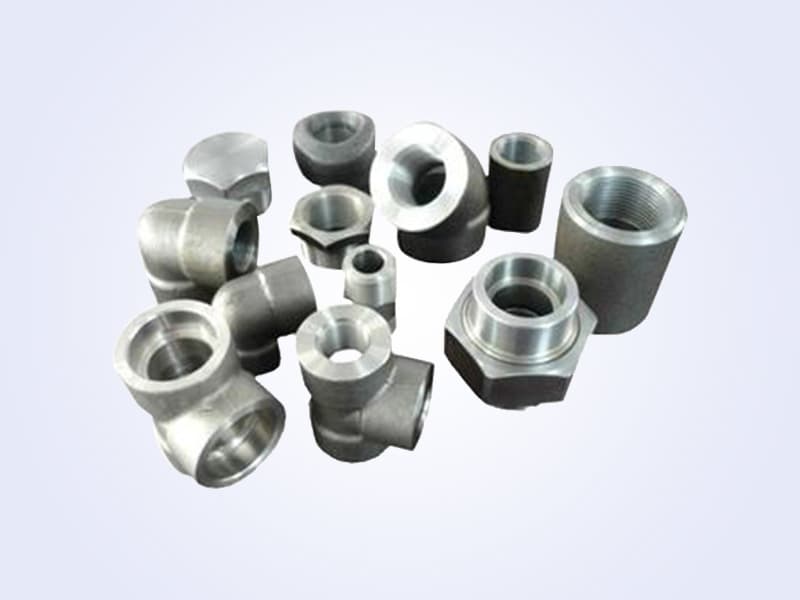
When specifying forged fittings for a piping system, one of the most common questions is: "How do I match ASME B16.11 fittings to the pipe size and schedule?" The answer is not a simple one-to-one conversion. ASME B16.11 covers forged fittings with socket-welding and threaded ends, and it designates them by pressure class (Class 2000, 3000, 6000 for threaded; Class 3000, 6000, 9000 for socket-weld). These classes are often loosely associated with pipe schedules, but the relationship is not universal. This guide explains the correct approach, what to verify, and how to avoid common pitfalls.
Understanding ASME B16.11 and Pipe Schedules
ASME B16.11 is the standard for forged fittings, socket-welding and threaded. It covers ratings, dimensions, tolerances, marking, and material requirements. The standard is intended to be used in conjunction with other ASME B16 standards and the B31 piping codes. It is not a design code; it defines the dimensional and rating characteristics of the fittings themselves.
On the other hand, ASME B36.10M is the dimension standard for welded and seamless wrought steel pipe. It standardizes the dimensions of pipe, including outside diameter and wall thickness, for various schedules (e.g., Sch 40, Sch 80, Sch 160). The pipe schedule determines the wall thickness for a given nominal pipe size (NPS).
The Relationship Between Fitting Class and Pipe Schedule
A common misconception is that a specific fitting class directly corresponds to a specific pipe schedule. For example, some assume that Class 3000 socket-weld fittings are always used with Sch 80 pipe, and Class 6000 with Sch 160. While this is often the case in practice, it is not a universal rule. The fitting class is based on pressure-temperature ratings, which depend on the material and design, not solely on the pipe schedule. The actual mating pipe dimensions—outside diameter and wall thickness—must be compatible with the fitting's socket or thread dimensions.
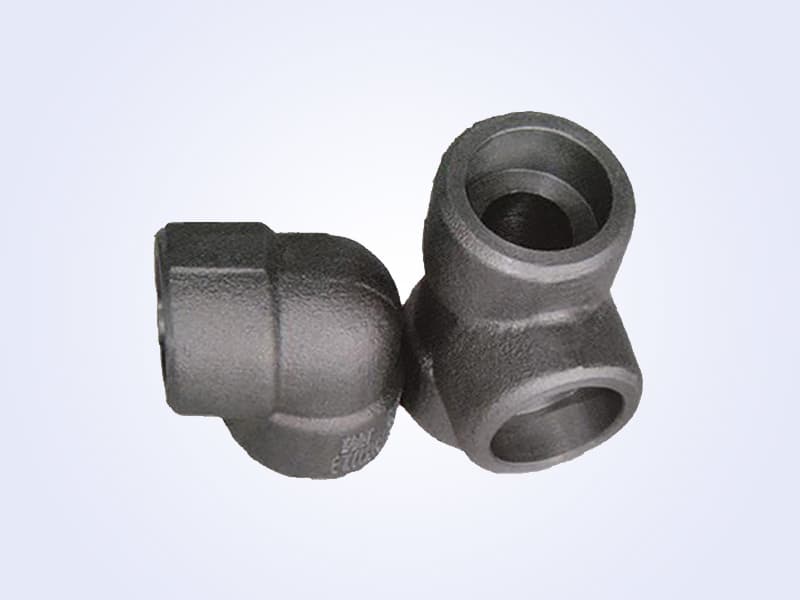
For socket-weld fittings, the socket bore is designed to accept a specific pipe outside diameter and wall thickness. The fitting's pressure class determines the wall thickness of the fitting itself, but the socket depth and bore are sized to match standard pipe dimensions. Therefore, you must ensure that the pipe's outside diameter and wall thickness fall within the fitting's socket dimensions. For threaded fittings, the thread dimensions must match the pipe's thread per ASME B1.20.1.
Practical Steps for Matching
- Determine the pipe size and schedule: Start with the NPS and schedule of the pipe you are using. Refer to ASME B36.10M for the exact outside diameter and wall thickness.
- Select the fitting end type: Decide between socket-weld and threaded based on your system's requirements (e.g., leak tightness, disassembly needs).
- Choose the fitting class: Based on the system's pressure and temperature, select the appropriate class (3000, 6000, or 9000 for socket-weld; 2000, 3000, or 6000 for threaded). This is typically determined by the piping code and design conditions.
- Verify dimensional compatibility: Check the fitting's socket or thread dimensions against the pipe's outside diameter and wall thickness. The fitting standard provides tables for these dimensions.
- Review material compatibility: Ensure the fitting material is suitable for the fluid and temperature, and that it matches the pipe material to avoid galvanic corrosion or welding issues.
Procurement Checks and RFQ Inputs
When preparing an RFQ for forged fittings, include the following:
- Standard: ASME B16.11
- Fitting type: e.g., socket-weld elbow, threaded coupling
- Size: NPS and schedule of the mating pipe
- Class: 3000, 6000, or 9000 (socket-weld); 2000, 3000, or 6000 (threaded)
- Material: Specify the material grade (e.g., ASTM A105, A182 F316L)
- End type: Socket-weld or threaded
- Quantity and marking requirements: Per MSS SP-25 or as specified
During procurement, verify that the supplier's fittings are manufactured to ASME B16.11 and that the dimensions match the pipe schedule. Request dimensional inspection reports and material test certificates.
Inspection and Documentation Points
- Dimensional inspection: Check socket bore diameter, depth, and thread dimensions against the standard.
- Material verification: Review MTCs (Mill Test Certificates) to confirm material grade and heat treatment.
- Marking: Ensure fittings are marked with the manufacturer's name, class, material, and size per MSS SP-25.
- Pressure rating: Confirm the fitting's pressure rating is adequate for the system's design conditions.
Common Risks and How to Avoid Them
- Mismatched dimensions: Using a fitting with a socket bore too small or too large for the pipe can lead to poor fit-up and weld defects. Always verify dimensions.
- Assuming class equals schedule: This can lead to incorrect selection. Always base the class on pressure-temperature ratings, not just the pipe schedule.
- Ignoring material compatibility: Dissimilar materials can cause galvanic corrosion or welding problems. Ensure the fitting material is compatible with the pipe.
- Overlooking code requirements: The project piping code (e.g., ASME B31.3) may have additional requirements beyond the component standards. Always check the applicable code.
Conclusion
Matching ASME B16.11 forged fittings to pipe size and schedule requires careful consideration of the fitting class, end type, and dimensional compatibility. There is no universal rule that converts class to schedule; you must review the pressure-temperature ratings and the actual pipe dimensions. By following the steps outlined above and verifying all details with your supplier, you can ensure a safe and reliable piping system.
For more information on forged fittings, visit our socket-weld forged fitting product page. To understand pipe dimensions, refer to our seamless steel pipes product page.
Sources
- https://www.asme.org/codes-standards/find-codes-standards/b16-11-forged-fittings-socket-welding-threaded
- https://www.asme.org/codes-standards/find-codes-standards/b36-10m-welded-seamless-wrought-steel-pipe
Need a quote for the products mentioned in this article?
Submit your specs and our pressure piping team will respond within one business day.
Send RFQRelated reading
 Buyer guide
Metallic vs Nonmetallic Flange Gaskets: A Buyer Selection Guide
Choosing between metallic and nonmetallic flange gaskets requires more than a quick comparison. This guide explains the ASME standards that govern each family, the critical factors to evaluate, and the procurement checks that prevent costly joint failures.
 Buyer guide