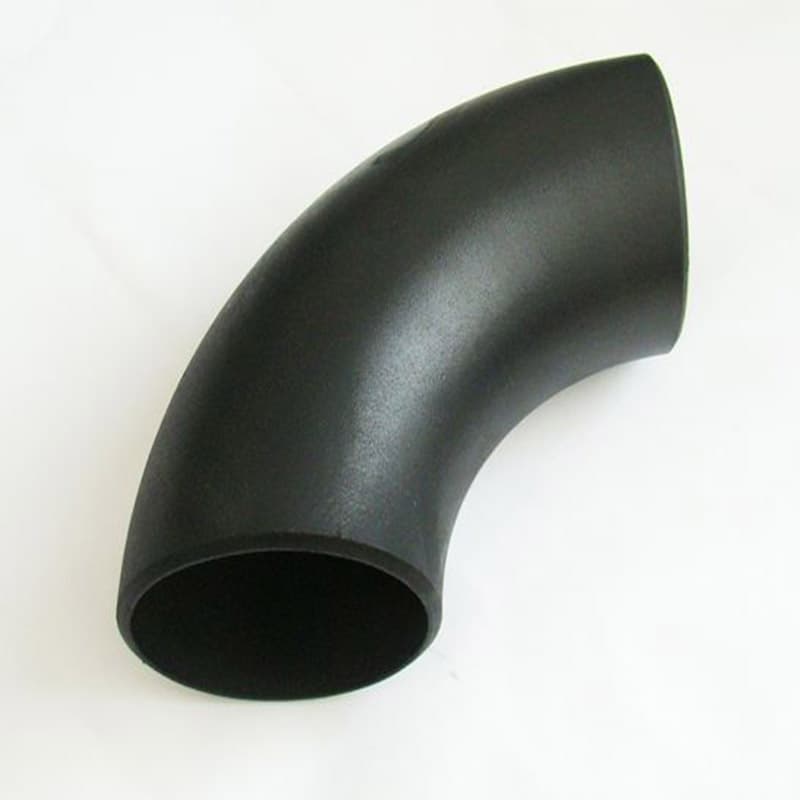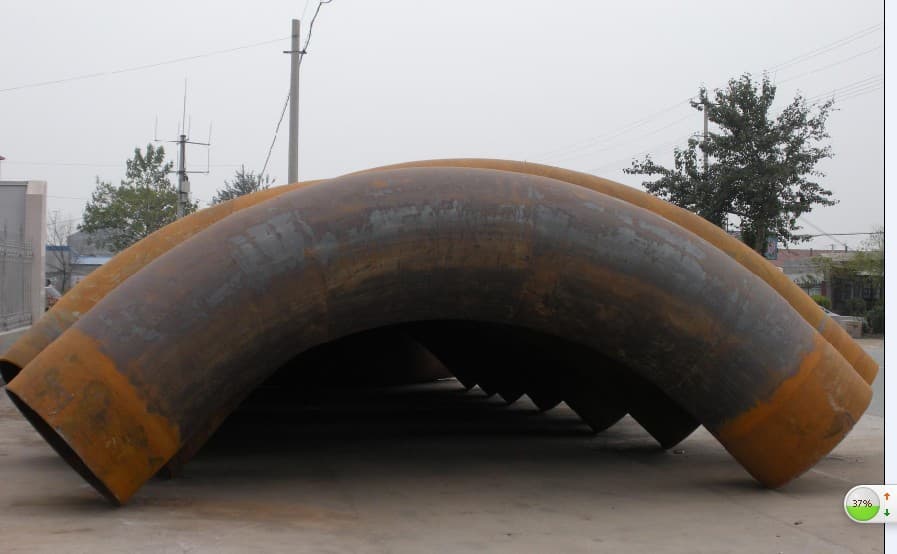
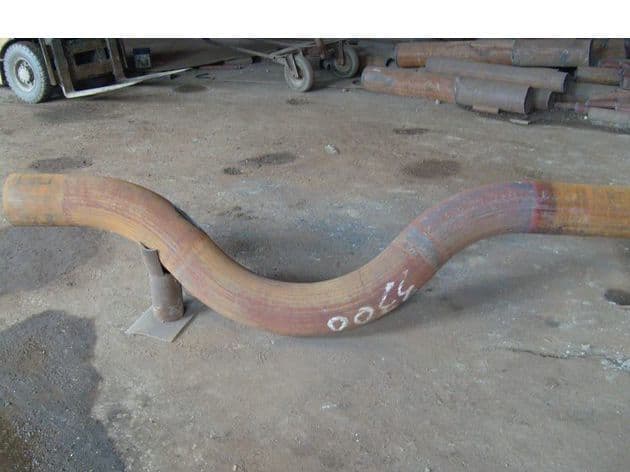
ASME B16.49-2023 covers factory-made wrought-steel buttwelding induction bends for transportation and distribution systems. It sets requirements for design, material, manufacturing, testing, marking, and inspection of carbon steel pipeline bends produced by the induction bending process, with or without tangents. Because the standard is on stabilized maintenance, buyers should confirm they are referencing the latest edition and any addenda or interpretations that may be relevant.
The standard explicitly addresses pipeline applications such as ASME B31.4 (liquid pipelines), B31.8 (gas transmission and distribution), and B31.11 (slurry pipelines). It is not written for process or power piping. If your project falls under B31.3 or B31.1, do not assume that B16.49 automatically applies. The governing piping code, bend geometry, wall-thinning limits, heat treatment requirements, and any project-specific additions must be confirmed with the engineering authority.
Scope and applicability
ASME B16.49 is intended for induction bends produced from carbon steel pipe with controlled chemistry and mechanical properties. The standard addresses design, material, manufacture, testing, marking, and inspection. It covers bends made with or without tangents, meaning the straight section on either end of the bend can be supplied as part of the product if specified.
Because B16.49 is not a process-piping standard, always verify the governing code before ordering. A bend that meets B16.49 may not satisfy the wall-thinning allowance, heat treatment, or NDT requirements of ASME B31.3 or other project codes. The same applies to materials that are not covered by the standard's limitations. If in doubt, require the engineer of record to confirm applicability.