How to Inspect Forged Pipe Fittings Quality: Buyer Guide
Buyer guide
How to Inspect Forged Pipe Fittings for Quality: A Buyer's Guide
A practical guide for procurement engineers on inspecting forged pipe fittings, including standards, inspection documents, RFQ checklist, and quality risks to consider before ordering.
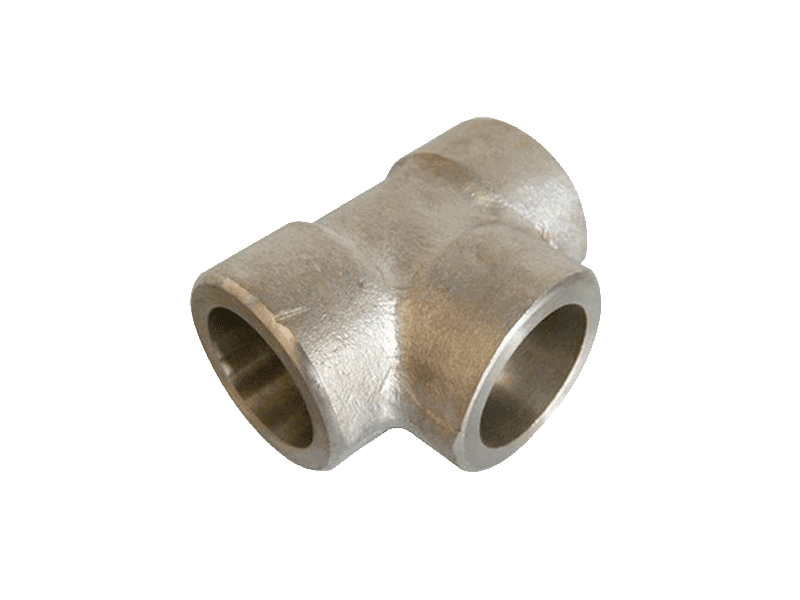
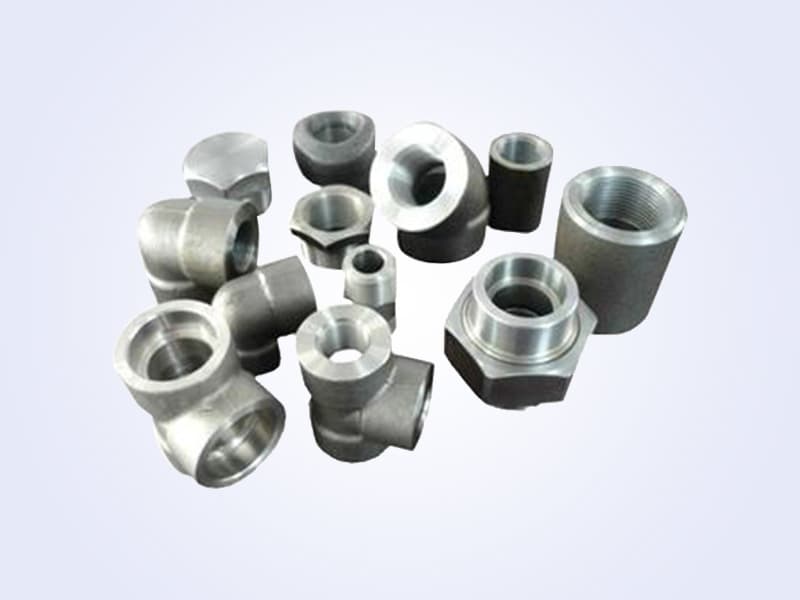
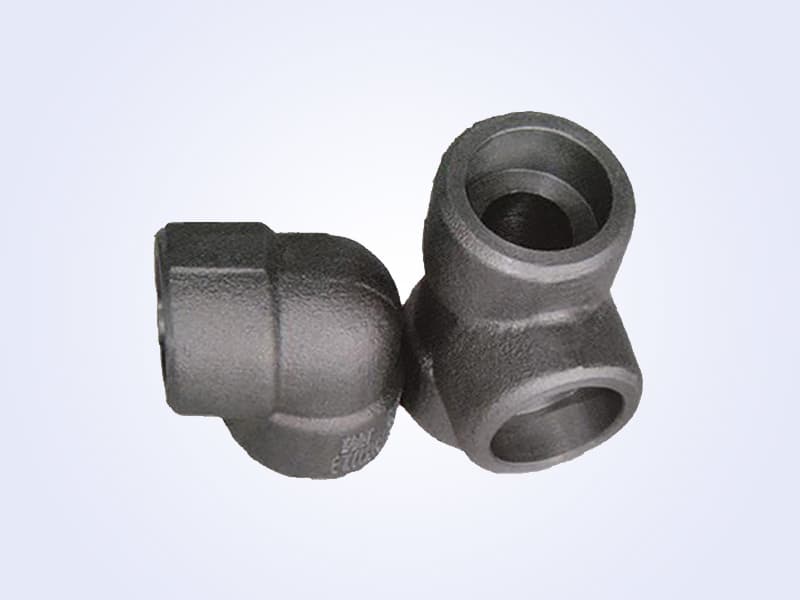
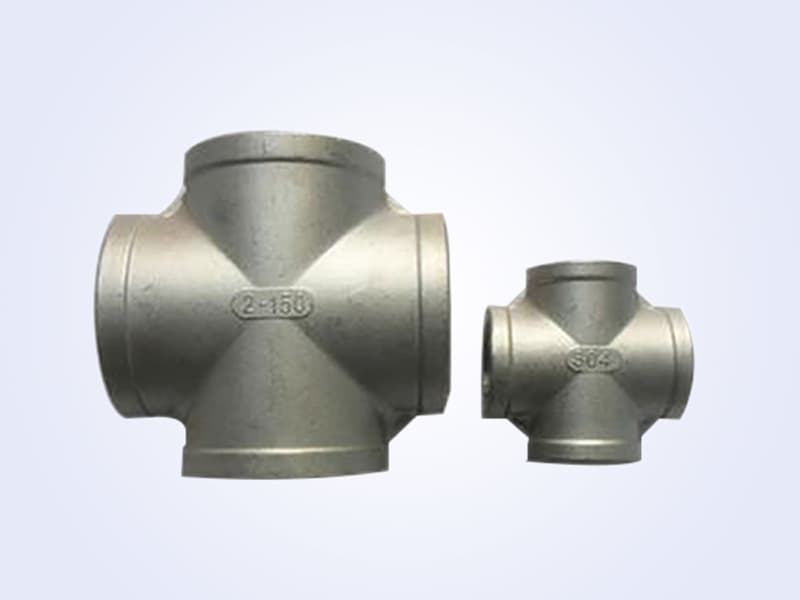
Forged pipe fittings are critical components in high-pressure and high-temperature piping systems, commonly used in oil & gas, petrochemical, and power generation industries. For global EPC procurement engineers and industrial buyers, ensuring the quality of these fittings is essential to prevent costly failures and safety incidents. This guide covers key aspects of quality inspection, from standards to practical checklists.
Key Standards to Confirm
Before inspecting, confirm that the fittings comply with relevant international standards. Common standards for forged fittings include:
ASTM A105 – Standard specification for carbon steel forging used in piping.
ASTM A182 – Standard for forged or rolled alloy and stainless steel pipe flanges, forged fittings, and valves.
ASME B16.11 – Standard for forged steel fittings, socket-welding, and threaded.
Packaging and marking requirements (e.g., stenciled size, material, heat number)
Quality Risks to Watch For
Common quality issues in forged pipe fittings include:
Material mix-ups – Substitution of lower grade material.
Dimensional deviations – Especially on critical sealing surfaces or wall thickness.
Surface defects – Laps, cracks, or inclusions from forging process.
Improper heat treatment – Leading to inconsistent hardness or brittleness.
Incomplete traceability – Missing heat numbers or MTRs.
What to Send Before Quotation
To receive accurate pricing and appropriate quality guarantees, provide the following to the manufacturer:
Complete piping specification and operating parameters (temperature, pressure, fluid corrosiveness).
Reference drawing or sketch if non-standard.
Required certification bodies (e.g., PED, NACE, API) if any.
Any specific inspection or third-party agency requirements.
Practical Inspection Steps
1. Visual and Dimensional Inspection
Check fittings for smooth surfaces, no sharp edges, and visible defects. Measure critical dimensions (length, diameter, wall thickness) using calibrated instruments. Compare with ASME B16.11 tolerances.
2. Material Verification
Conduct positive material identification (PMI) on a sample if high-risk. Review MTRs for compliance with specified chemistry and mechanical properties.
3. Non-Destructive Testing (NDT)
Depending on service conditions, request NDT. For high-pressure applications, ultrasonic testing can detect internal flaws. Surface methods (MT or PT) confirm crack-free condition.
4. Mechanical Testing Review
Check that tensile strength, yield strength, and hardness are within standard ranges. For low-temperature service, impact test results may be required.
5. Marking and Traceability
Each fitting should be stamped with size, material grade, heat number, and manufacturer’s mark. Verify that markings match the certification.
Conclusion
Rigorous quality inspection of forged pipe fittings is not optional – it’s a necessity for safe and reliable plant operation. By following the standards, requesting proper documentation, and using a structured inspection approach, procurement engineers can minimize risks and ensure long-term performance.
Need reliable forged fittings that meet international standards? Contact Hebei Haihao Group for detailed product specifications and quality certifications. Our team can provide MTRs, dimensional reports, and third-party inspection support.
Need a quote for the products mentioned in this article?
Submit your specs and our pressure piping team will respond within one business day.
A practical checklist for EPC engineers and procurement managers to verify ASME PCC-1 compliance in bolted flange joint assembly, covering procedures, training, and documentation.
A practical RFQ checklist for ASME B16.49 induction bends, covering geometry, material, testing, and documentation requirements for transportation and distribution piping.
Specifying orifice flanges requires more than a standard flange RFQ. This checklist covers ASME B16.36 scope, class/type limits, tap details, and documentation gaps to verify before ordering.
Oct 7, 20266 min readHebei Haihao Group
Quote in 4 hours
Products covered in this article
Sourcing any of these? Send the spec and our pressure-piping desk replies within 4 business hours.