DISCLAIMER: This is an industry reference article based on publicly available reporting. Hebei Haihao makes no claim of supply, EPC participation, or commercial relationship with any company or contractor named in this article. All information is sourced from public news, corporate releases, and industry publications.
1. Project Background
The Coral South FLNG project, also known as Coral Sul FLNG, is the first floating liquefied natural gas facility in Mozambique and the first FLNG developed in Africa's deep waters. The unit produces LNG from the Coral South gas field in Area 4 of the Rovuma Basin and was inaugurated in 2022. It is operated by Eni on behalf of the Area 4 partners.
In August 2024, Eni publicly reported that Coral Sul FLNG had produced 5 million tonnes of LNG since startup, confirming the unit was operating at design output. The partners have since taken FID on a sister facility, Coral North (Coral Norte) FLNG, structured as a near-replica of Coral Sul.
This matters for international procurement engineers because Coral South is one of the very few large-scale offshore liquefaction units in operation worldwide, and Coral North is one of the few that will repeat the same template. The combination signals continuing demand for cryogenic-grade fittings, low-temperature flanges and bends.
2. Scale by the Numbers
| Parameter | Value | Source year |
|---|---|---|
| LNG nameplate capacity | ~3.4 mtpa | 2022 |
| LNG produced since startup (announced) | 5 million tonnes | 2024 |
| Cryogenic technology | Air Products AP-DMR (dual mixed refrigerant) | 2022 |
| Main cryogenic heat exchangers | 2 coil-wound heat exchangers (precool + liquefaction) | 2022 |
| Sister project | Coral Norte (Coral North) FLNG, FID taken | 2024-2025 |
3. Contractor Map
The Coral Sul FLNG hull and topsides were built under an EPC contract led by a consortium including Samsung Heavy Industries, with TechnipFMC and JGC also involved in topsides scope. Air Products supplied the proprietary AP-DMR liquefaction technology and the two main coil-wound heat exchangers (CWHEs), one for precooling and one for liquefaction, fabricated at its Port Manatee, Florida facility. GTT was selected for FLNG technical services on the LNG containment system.
For Coral Norte, public reporting indicates the partners intend a near-replica execution strategy, which typically means the same liquefaction technology family and similar topsides architecture.
4. Typical Materials & Standards Profile
LNG and cryogenic service on FLNG units imposes strict material constraints. Generic technical context for similar facilities includes:
- Austenitic stainless (ASTM A312 TP304L / TP316L) and 9% nickel steel (ASTM A333 Gr 8 pipe, A420 Gr WPL8 fittings) for cryogenic LNG piping.
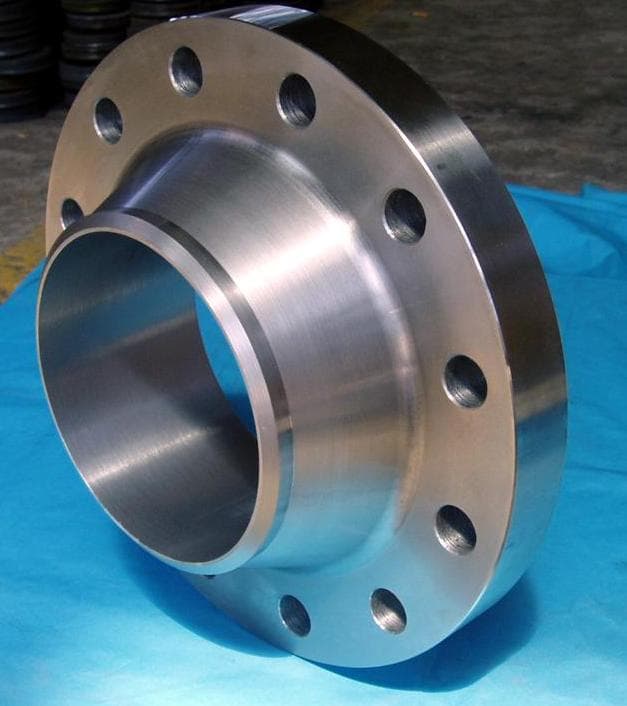
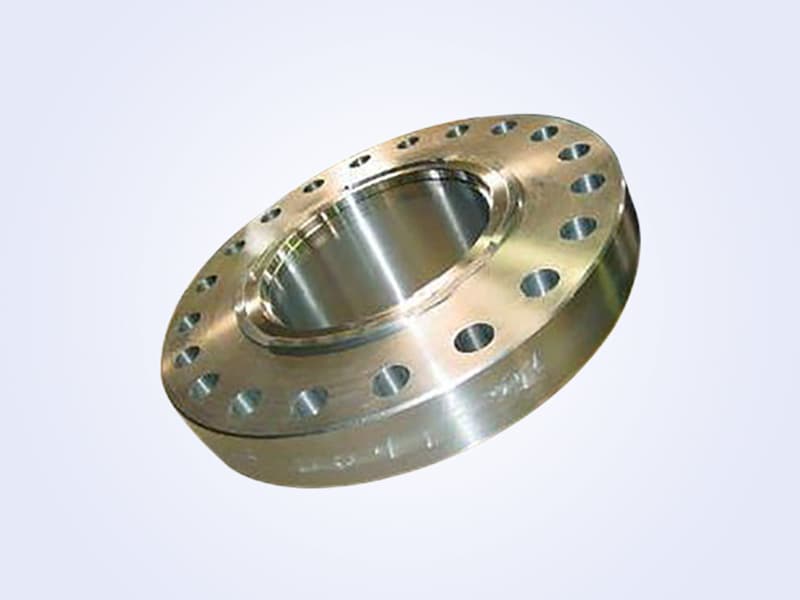
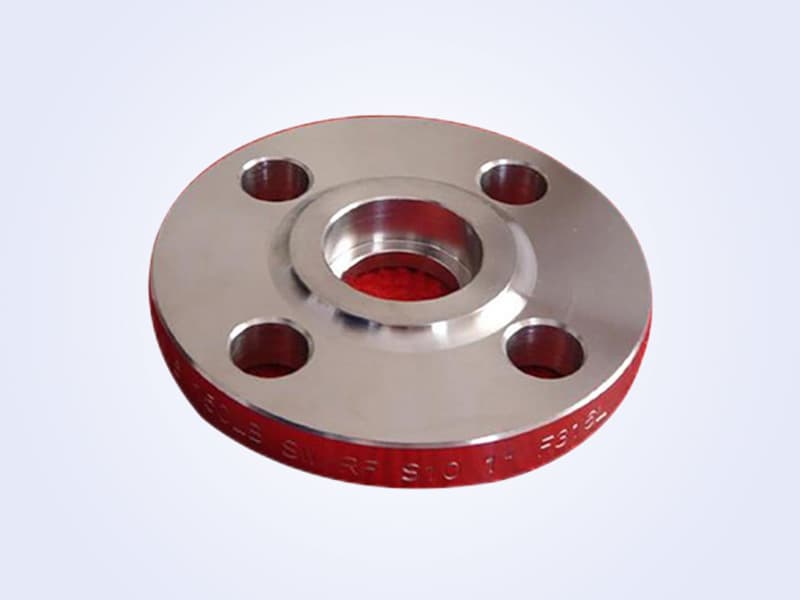
- Forged flanges to ASME B16.5 and B16.47, in low-temperature carbon steel (A350 LF2 / LF3) for cold service or stainless / 9Ni for true cryogenic duty.
- Butt-welding fittings to ASME B16.9 / MSS SP-43 in matching grades with Charpy V-notch impact testing at design minimum temperature down to -196 degC.
- Bends per ASME B16.49 with documented post-forming heat treatment and impact-tested test rings.
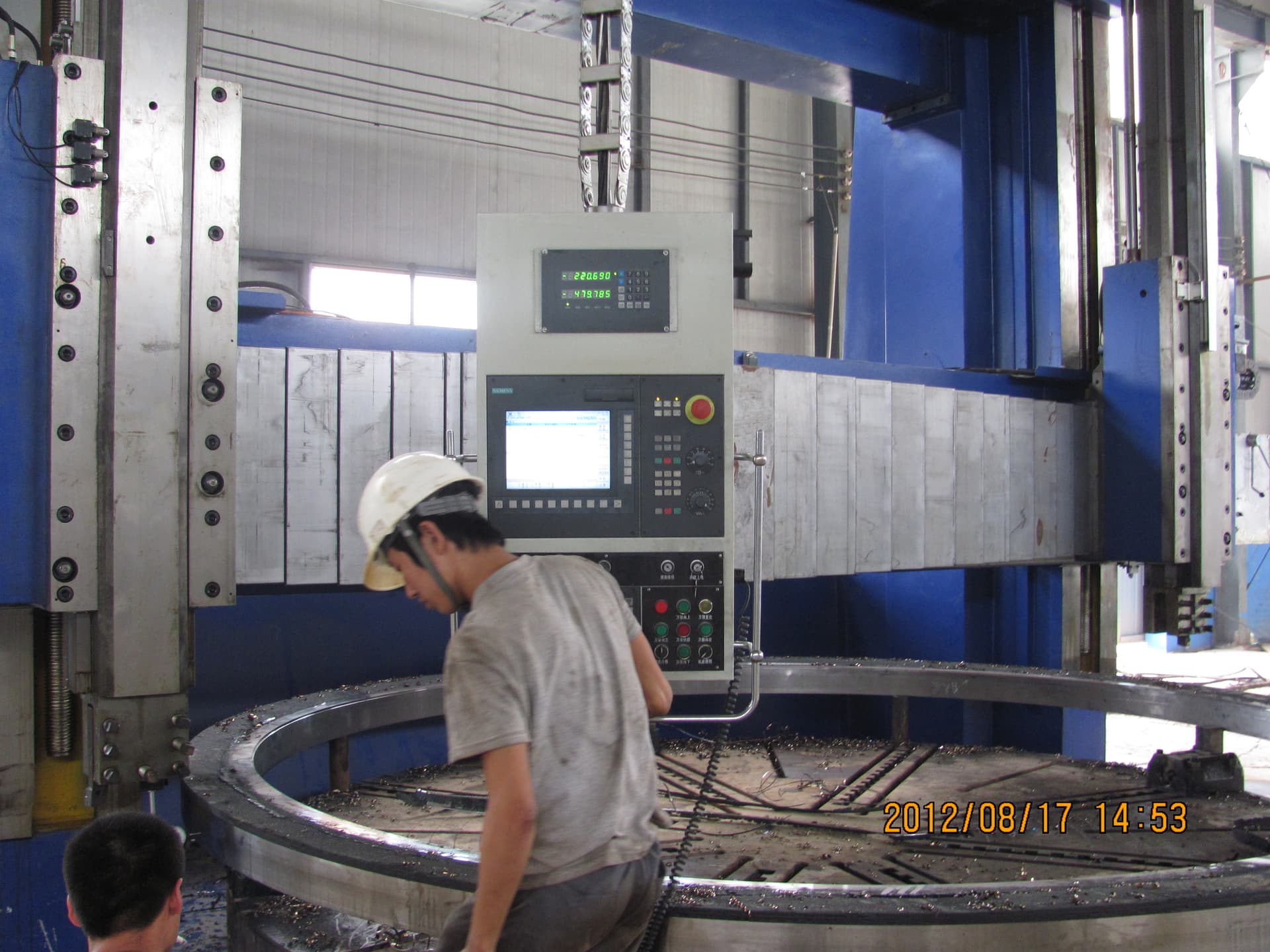
Reference product families useful for benchmarking such packages are listed under seamless butt-welding pipe fittings, forged flanges and non-standard forgings and hot induction pipe bends.
5. Procurement Lessons for International Buyers
FLNG cryogenic packages have three distinguishing features. First, the qualification burden is high: full Charpy at -196 degC, microstructure documentation and dimensional tolerances tighter than land-based LNG service. Second, supplier base is narrow: only a small number of fittings and flange manufacturers can credibly produce 9Ni or LF3 in the diameters and thicknesses required, so EPC contractors lock in capacity early. Third, sister-unit projects like Coral Norte tend to favor proven suppliers from the original FLNG, but they also create a one-off opportunity for new suppliers to qualify against an already-validated material spec.
Buyers building cryogenic AVLs can engage on technical clarifications via the inquiry portal.
6. Reference Takeaway
The Mozambique Coral South FLNG and its sister Coral North FLNG offer a clear public reference point for the cryogenic equipment and material requirements of modern FLNG. With a verified production track record and a near-replica follow-on unit, the Coral South FLNG case study is one of the more useful benchmarks available for international cryogenic piping procurement.
Sources
- https://www.eni.com/en-IT/media/news/2024/08/eni-coral-sul-flng-achieves-5-milion-tons-lng-mozambque.html
- https://www.gasworld.com/story/air-products-ap-dmr-technology-boosts-production-at-coral-south-flng/2138388.article/
- https://www.offshore-technology.com/projects/coral-south-flng-project-rovuma-basin/
- https://lngprime.com/americas/enis-mozambique-flng-hits-production-milestone/111536/
- https://www.gem.wiki/Coral_South_FLNG_Terminal
Hebei Haihao does not claim involvement in this project.
Need a quote for the products mentioned in this article?
Submit your specs and our pressure piping team will respond within one business day.
Send RFQRelated reading
 Case studies
Payara and the Prosperity FPSO: A Guyana Offshore Piping Reference
ExxonMobil's Payara development and the Prosperity FPSO mark a major milestone in Guyana's offshore oil production. This case study reviews the project's public facts and outlines what piping procurement professionals should verify when referencing such projects.
 Case studies