Understanding Medium and Low Pressure Flange Applications
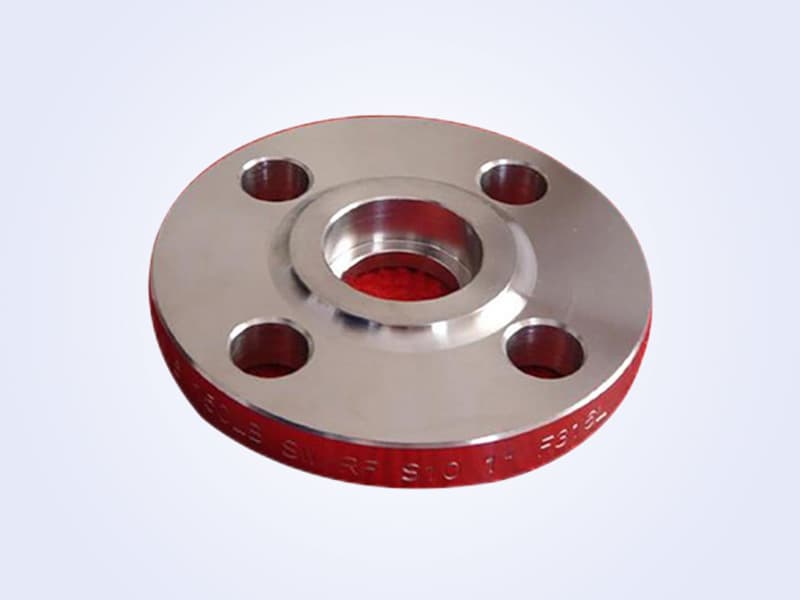
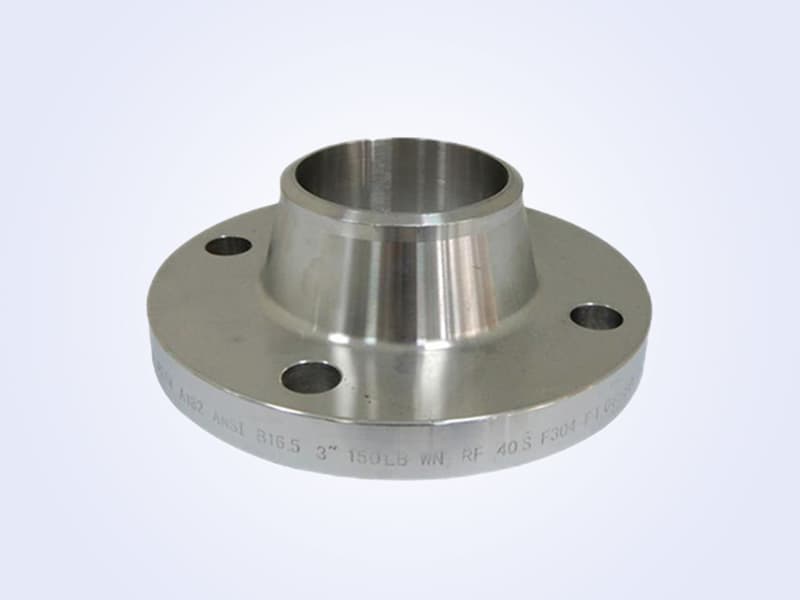
Medium and low pressure flanges are widely used in piping systems across industries such as water treatment, HVAC, oil & gas, and chemical processing. These flanges operate within pressure classes typically up to Class 300 (medium) and Class 150 (low), connecting pipes, valves, and equipment. While standardized flanges cover many applications, custom flanges are often required for unique dimensions, special materials, or non-standard bolt patterns. Procuring custom flanges demands careful attention to specifications and quality to ensure system integrity.
Key Standards to Confirm
Before initiating procurement, confirm the applicable standards and design parameters:
- Pressure Class: Specify the class (e.g., Class 150 or Class 300) per ASME B16.5 or equivalent standard. For custom flanges, verify that design calculations match the intended service conditions.
- Material Grade: Common materials include carbon steel (A105), stainless steel (A182 F304/316), and alloy steels. Ensure the material is compatible with the fluid and temperature.
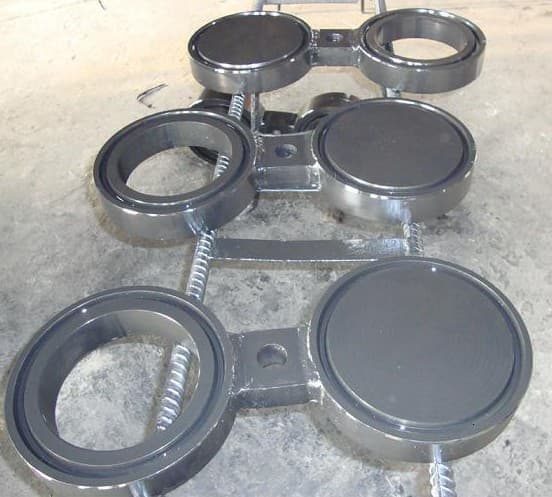
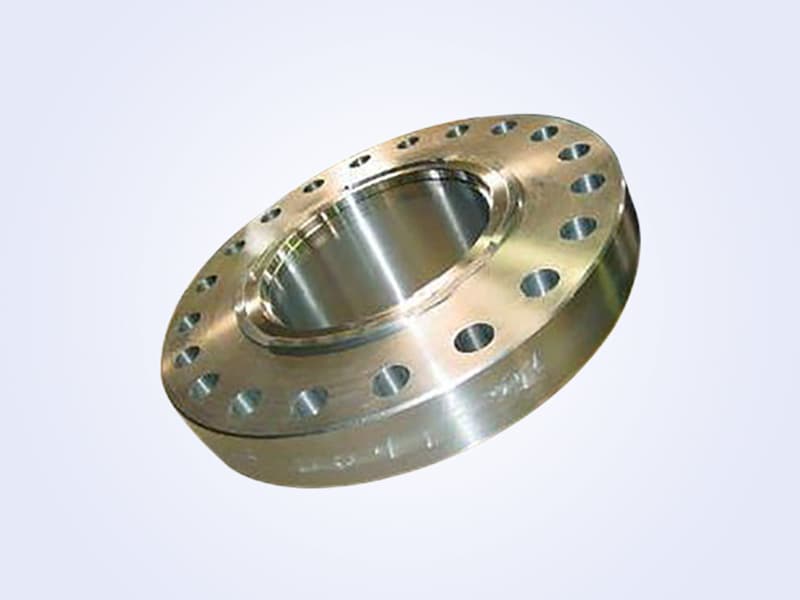
- Facing Type: Raised face (RF), flat face (FF), or ring-type joint (RTJ) must be specified. For low pressure, FF is typical; RF is common for medium pressure.
- Dimensions: Specify outside diameter, thickness, bolt circle diameter, and number/ size of bolt holes. Custom flanges must match existing piping or equipment.
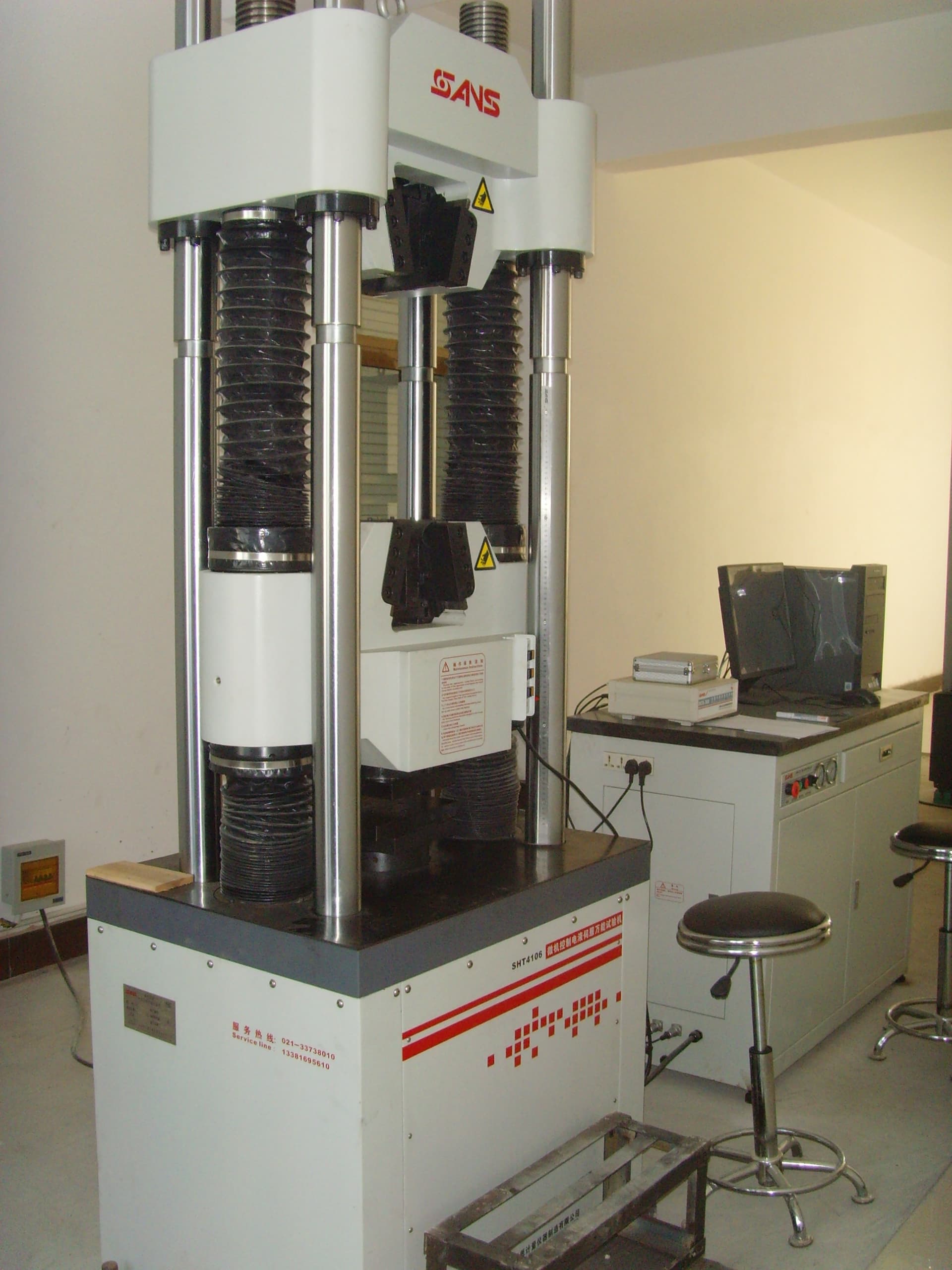
- Testing Requirements: Confirm if hydrostatic testing, radiographic examination, or other NDE is required.
Inspection Documents Required
When ordering custom flanges, always request the following documentation for traceability and compliance:
- Material Test Report (MTR): Certifies chemical composition and mechanical properties of the raw material.
- Dimensional Inspection Report: Verifies that flange dimensions meet drawing tolerances.
- Pressure Test Certificate: If hydrostatic testing is conducted, provide test pressure and results.
- Heat Treatment Report: For normalizing, quenching, or tempering if required by material or standard.
- Third-Party Inspection Reports: If independent verification is needed, specify in the purchase order.
RFQ Checklist for Custom Flanges
To get accurate and competitive quotations, include the following in your request for quotation (RFQ):
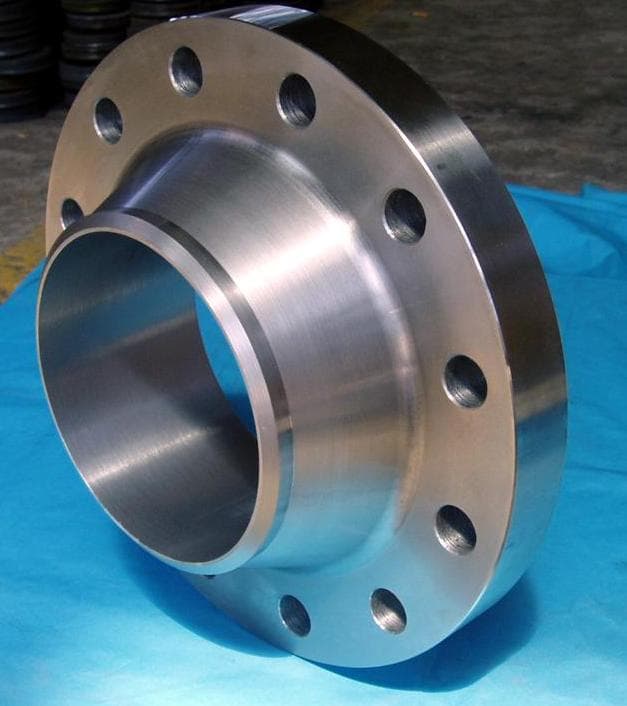
- Flange type (weld neck, slip-on, blind, etc.)
- Nominal pipe size (NPS) and pressure class
- Material specification (with grade and standard)
- Facing type and finish (e.g., 125-250 μin Ra)
- Drawing or sketch with all critical dimensions
- Quantity and delivery timeline
- Required certificates and inspection scope
- Relevant code or customer specification references
Quality Risks in Custom Flange Procurement
Custom manufacturing introduces risks that must be managed:
- Dimensional Errors: Verify that the manufacturer uses calibrated tools and follows approved drawings. Request a sample or first article inspection for large orders.
- Material Substitution: Ensure the material is sourced from reputable mills and traceable via MTR. Request material identification testing if doubts arise.
- Improper Heat Treatment: For high-strength or corrosion-resistant flanges, incorrect heat treatment can cause premature failure. Confirm heat treatment records.
- Inadequate Surface Finish: Leakage can occur if the gasket surface is too rough or damaged. Specify finish requirements and inspect upon receipt.
Information to Provide Before Quotation
To speed up the quotation process, provide:
- Detailed drawings or dimensions
- Operating conditions (pressure, temperature, fluid)
- Applicable codes and standards
- Required certifications
- Preferred material and facing
- Quantity and delivery date
For complex projects, involving a qualified engineer during the design phase helps avoid costly mistakes.
Get Your Custom Flange Solution
Hebei Haihao Group offers custom medium and low pressure flanges tailored to your specifications. Our team ensures compliance with international standards and provides full documentation. Contact us with your RFQ for a prompt quotation.
Need a quote for the products mentioned in this article?
Submit your specs and our pressure piping team will respond within one business day.
Send RFQRelated reading
Buyer guideProcurement Guide for Medium and Low Pressure Pipe Flanges
A practical guide for procurement engineers covering flange standards, inspection requirements, RFQ essentials, and quality risks for medium and low pressure applications.
Buyer guide